Night Must Fall
1964
No user ratings available yet
Representation score: 3.4 out of 10
Representation Score
Limited
1958
NRDirector
Robert J. Gurney Jr., Irving Lerner
Runtime
77 minutes
Average Rating
No ratings yetNew Showbiz Analysis
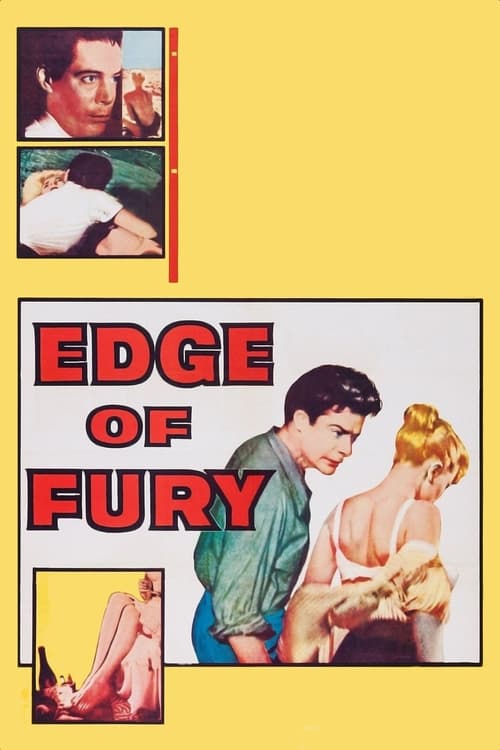
Edge of Fury is a product of its historical period, functioning within the standard thriller conventions of the late 1950s. The narrative structure prioritizes traditional clichés, such as the domestic unit facing an external threat, rather than exploring the complexities of multiple aspects of identity. The film maintains established social hierarchies and relies on mid-century character archetypes. It lacks any significant movement toward progressive representation or systemic critique, reflecting the era's social constraints.
Category Breakdown
The film does not include any LGBTQ+ characters or narratives. It adheres to the strict censorship standards of 1958, offering no critique of the assumption that everyone is straight or cisgender.
While the setting includes a mother and two daughters, the women are portrayed as subjects of threat. The narrative follows a traditional dynamic where female characters are vulnerable to a male antagonist.
The production reflects the homogeneous casting norms of the 1950s. There is no evidence of a non-white majority cast or diverse ethnic representation.
The story focuses on individual psychological conflict within a Western framework. It prioritizes the preservation of the domestic unit over any systemic or cultural critique.
The antagonist is labeled 'psychopathic,' a common 1950s cliché used to signal villainy. This relies on psychological stereotypes rather than nuanced portrayals of mental health.
Present on Screen
Limited or Absent
Official Synopsis
A psychopathic young beachcomber pretends to befriend a mother and two daughters living at their summer home.
1964

1964

1960
1964
1975

1965

1962

1962
No reviews yet. Be the first to share your thoughts on this movie!
Use the rating form above to leave a star rating and optional review.