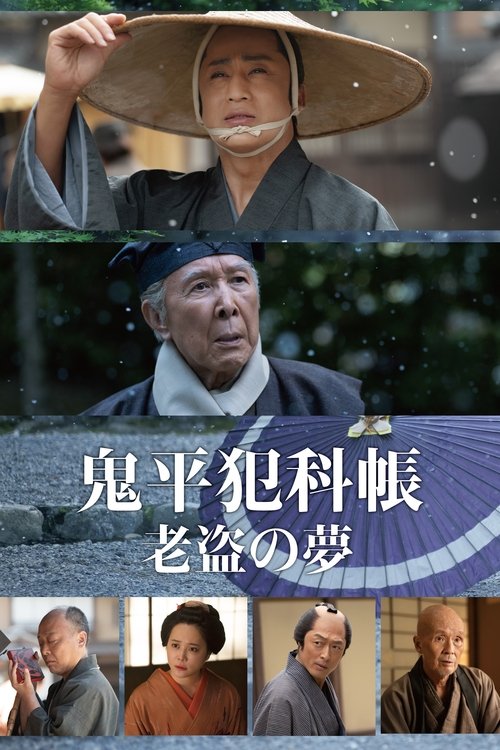
Samurai Detective Onihei: One Last Wish
2025
No user ratings available yet
Representation score: 5.0 out of 10
Representation Score
Fair
2024
Director
Tomohiko Yamashita
Runtime
96 minutes
Average Rating
No ratings yetNew Showbiz Analysis
The film operates as a traditional period drama that prioritizes historical realism over modern storytelling that reflects multiple aspects of identity. While it offers a critique of corrupt authority and patriarchal structures, it does not actively disrupt social hierarchies through diverse casting or identity-driven themes. The narrative's strength lies in its exploration of moral relativism and the friction between duty and personal ethics. However, the focus remains heavily centered on established social orders and traditional gender dynamics. Ultimately, the work functions as a character-driven drama set within the constraints of its historical era, offering social commentary through the lens of systemic corruption rather than identity politics.
Category Breakdown
The story includes a 'forbidden love' cliché that hints at social transgression, focusing on a romantic tension involving a female protagonist but without explicitly mentioning queer identities.
Ofusa serves as the central catalyst for the plot rather than a passive figure. While her forced marriage drives the conflict, her role remains largely influenced by the actions of male protagonists.
The casting reflects the historical homogeneity of Edo-era Japan, adhering to historical realism without attempts to diversify the ethnic landscape of the period.
The narrative critiques systemic corruption and flawed power structures, exploring the tension between institutional honor and personal loyalty within traditional samurai codes.
There is no mention of characters navigating physical, sensory, or neurodivergent disabilities within the narrative.
Present on Screen
Limited or Absent
Official Synopsis
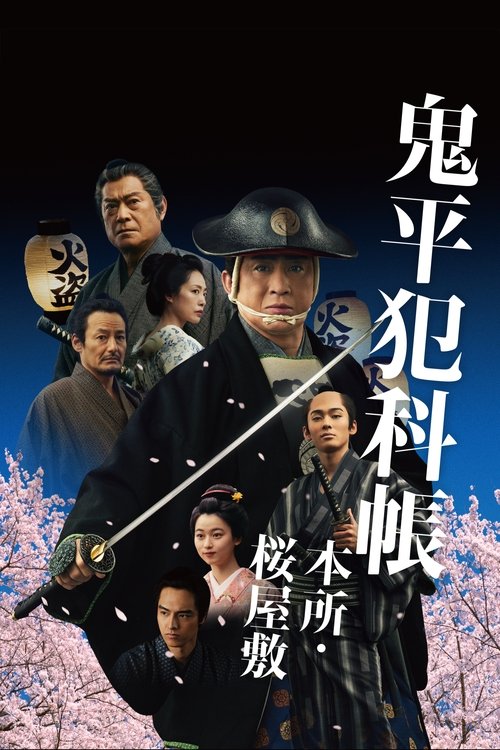
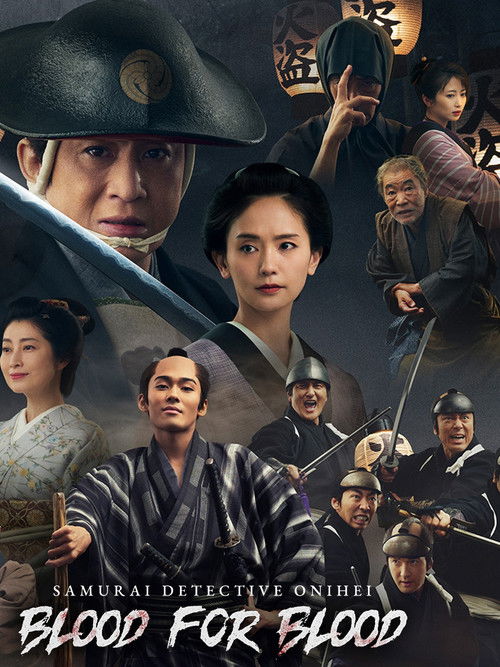
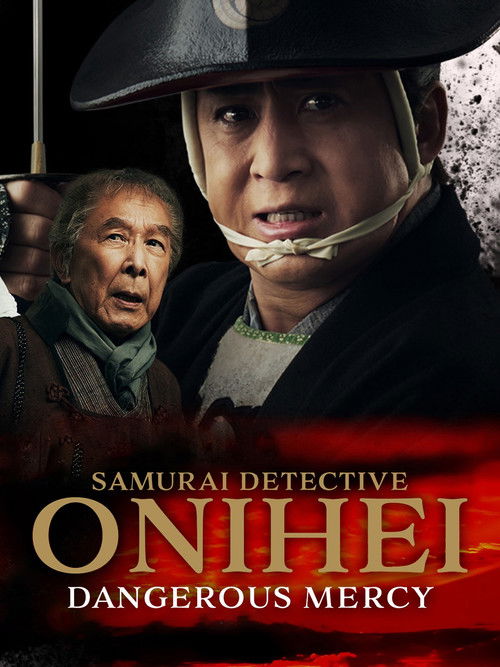
A tale of friendship, betrayal, and forbidden love—set against the backdrop of Edo’s criminal underworld. While patrolling the Honjo district, the legendary samurai detective Heizo Hasegawa crosses paths with his old dojo friend, Samanosuke Kishii, and a local ruffian, Hikoju of Sagami. When they discover that Ofusa, the woman they both once loved, has been forced into marriage with a corrupt lord, their reunion takes a dark turn. As secrets from their past resurface, a deeper conspiracy tied to their former mentor begins to unravel—one that will test Heizo’s loyalty, honor, and sense of justice.
2025

2004
2024

2014
2024
2024

2025

2005
No reviews yet. Be the first to share your thoughts on this movie!
Use the rating form above to leave a star rating and optional review.