
Mortadelo & Filemon: Mission Implausible
2014
No user ratings available yet
Representation score: 4.3 out of 10
Representation Score
Limited
1969
Director
Rafael Vara
Runtime
68 minutes
Average Rating
No ratings yetNew Showbiz Analysis
This 1969 animated anthology relies on the slapstick traditions of its time. The episodic structure prioritizes physical comedy and established character types over complex social or identity-focused narratives. The film presents a variety of settings across its eight shorts, but these locations do not delve into meaningful explorations of racial, cultural, or gender diversity. Instead, they serve as backdrops for the story. Ultimately, the work reflects the conventional constraints of mid-century animation. It lacks the intention to challenge social hierarchies or provide diverse representation.
Category Breakdown
The film does not include any LGBTQ+ characters or narratives that challenge the idea that everyone is straight. The humor focuses on physical gags and situational jokes typical of late 1960s animation.
The narrative centers on the male duo Mortadelo and Filemón. There is no evidence of non-traditional masculinity or the subversion of standard gender hierarchies.
The film features various settings like the Oregon Ranch, but these locations do not explore the experiences or roles of people of different races. The settings serve as backdrops for the story rather than places where racial diversity is explored.
The anthology follows a traditional format with individual episodes. It avoids deep engagement with societal issues or radical changes in favor of established comedic logic.
The humor in these shorts seems to rely on physical mishaps. There is no indication that characters with disabilities have significant roles beyond being used for comedic purposes.
Present on Screen
Limited or Absent
Official Synopsis
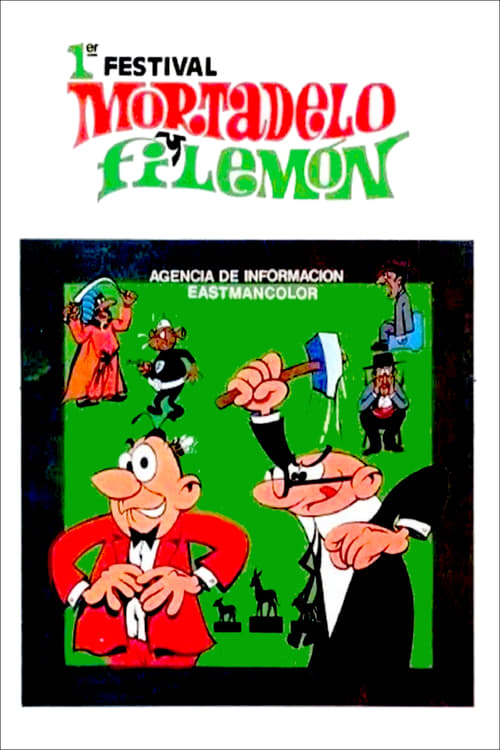
Film composed of eight animated shorts starring agents Mortadelo (Mort) and Filemón (Phil): The Oregon Ranch; The Blackout Case; The Invitation; An Unexpected Martian; Carioco and His Invention; The Mines of King Salmerón; Second-hand Gangsters; Spies in the Legion.
2014
1971
1933
1951
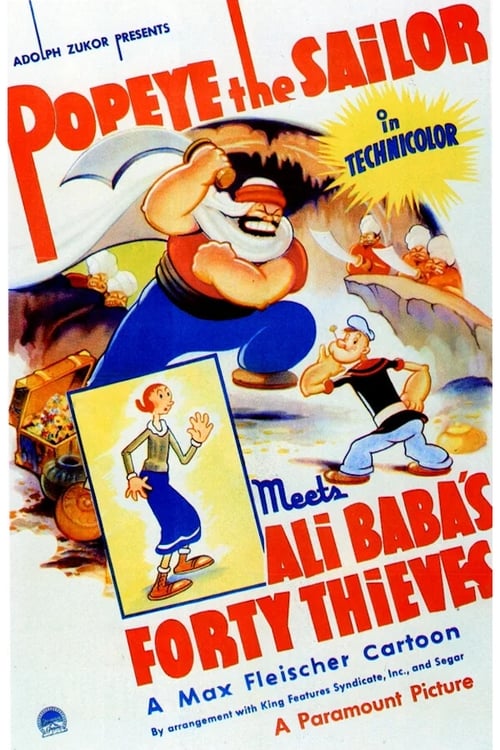
1937
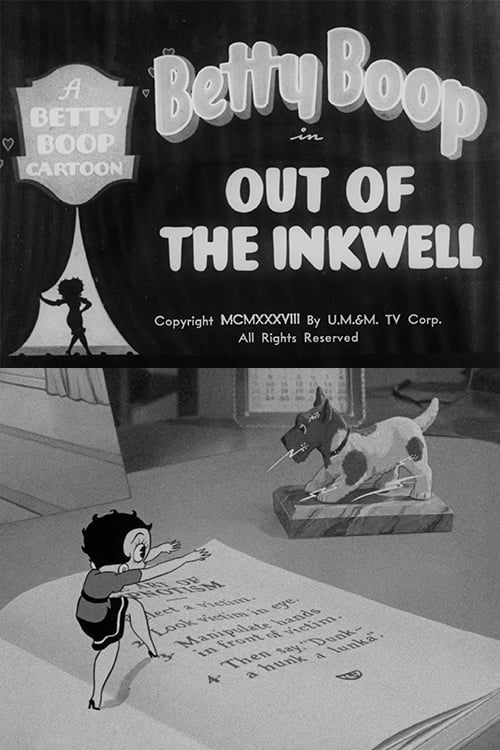
1938
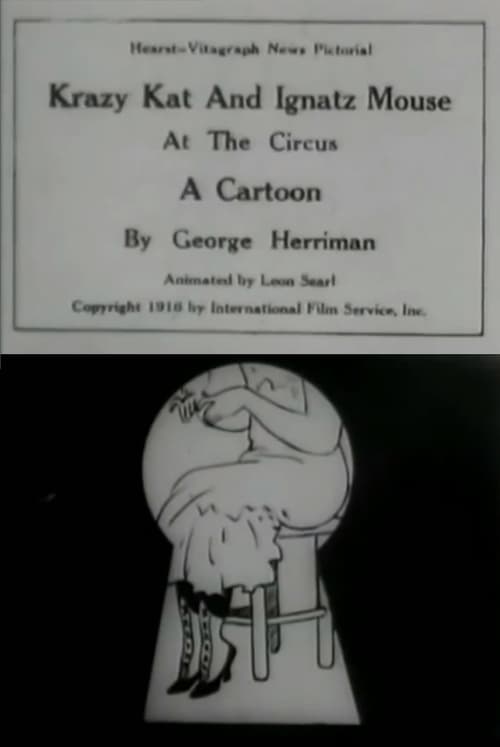
1916
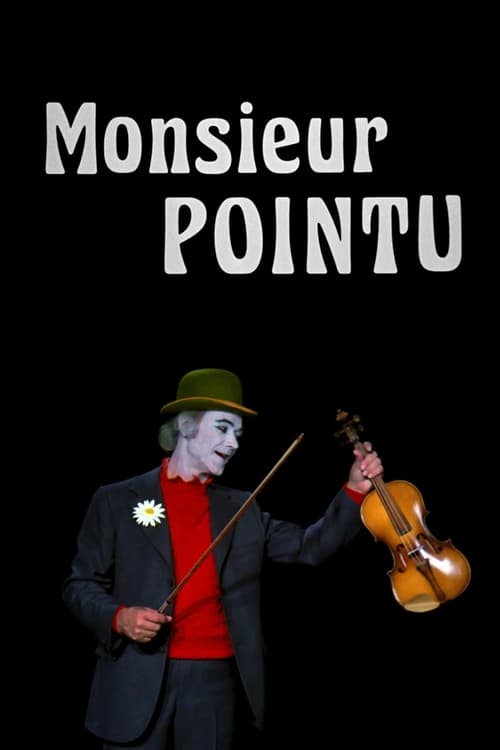
1976
No reviews yet. Be the first to share your thoughts on this movie!
Use the rating form above to leave a star rating and optional review.