
Akegarasu
2015
No user ratings available yet
Diversity score: 4.9 out of 10
2008
Director
Keisuke Yoshida
Runtime
113 minutes
Average Rating
No ratings yetSynopsis
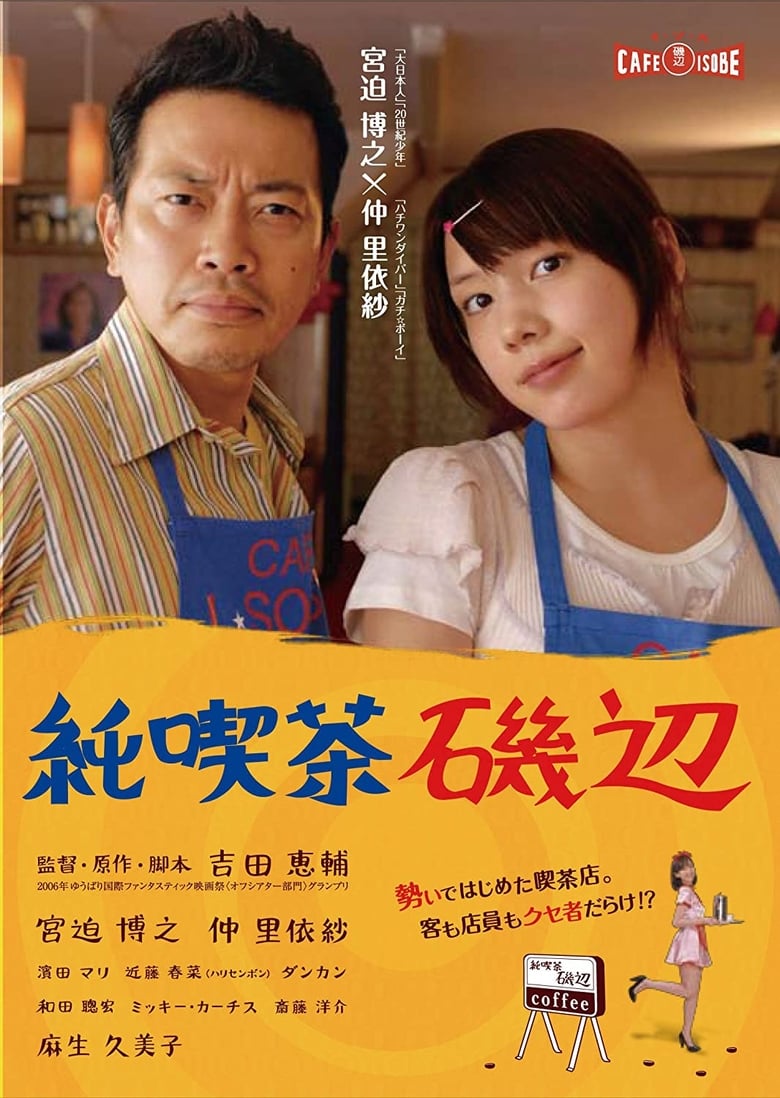
Sakiko is a typical teenager in many ways. She hates her divorced father, who chases after every skirt he sees. She does not know, if she will ever be loved by the other sex. When her dad suddenly inherits a lot of money and becomes really lazy, she hates him even more. He finally decides to start his own cafe, where Sakiko, of course has to help. From this moment, strange customers and good-looking waitresses form the center of tension between father and daughter.
Overall Score
Fair
Category Breakdown
LGBTQ+ Representation
The film lacks explicit depictions of LGBTQ+ identities. The narrative focuses on Sakiko's anxieties regarding heteronormative romantic validation.
Gender Representation
The story subverts patriarchal tropes by centering on a female protagonist's resistance to male authority. Sakiko's disdain for her father undermines traditional archetypes of masculine competence.
Racial & Ethnic Diversity
The setting appears to be a localized, homogeneous social environment. There is no evidence of multicultural casting or ethnic diversity within the narrative.
Religious & Cultural Diversity
The film critiques idealized family structures by portraying the father as a dysfunctional figure. It offers a skeptical view of wealth as a tool for character growth.
Disability Representation
There are no visible or invisible disabilities depicted within the character arcs or the provided synopsis.
Strengths
Areas for Improvement
AI Analysis
Cafe Isobe functions as a character study centered on domestic friction and the subversion of traditional fatherhood. It succeeds in dismantling the trope of the stable male provider by framing the father's sudden wealth as a catalyst for laziness rather than leadership. However, the film remains within a traditional social framework. The focus on Sakiko's desire for validation from the 'other sex' suggests a preoccupation with heteronormative romance, and the social environment lacks ethnic or multicultural breadth. Ultimately, while the film avoids reinforcing patriarchal stability, its narrow focus on domestic, intra-cultural dynamics limits its broader diversity impact.
2015

2006

1982

2018

1988

2012

2021

1982

2021

2020

1975

2017
No reviews yet. Be the first to share your thoughts on this movie!
Use the rating form above to leave a star rating and optional review.