Heartbeat
1983
No user ratings available yet
Representation score: 4.0 out of 10
Representation Score
Limited
1973
Director
Sture Rydman
Runtime
30 minutes
Average Rating
No ratings yetNew Showbiz Analysis
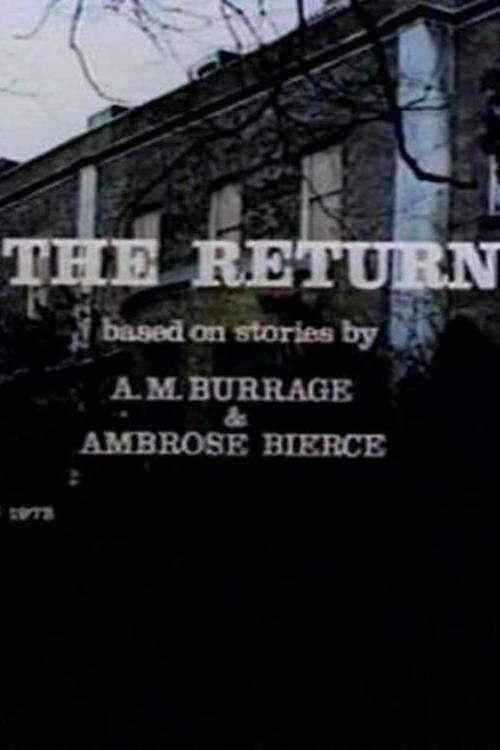
The Return is a conventional horror piece that relies heavily on established social hierarchies and genre clichés. The narrative structure reinforces traditional power dynamics rather than challenging them, particularly through its treatment of gender and physical difference. While the film effectively uses specific character traits to drive its supernatural plot, these elements often serve the horror framework rather than providing depth. The lack of complexity in representing multiple aspects of identity results in a story that feels rooted in mid-century Western norms. Ultimately, the film functions as a standard gothic tragedy. It prioritizes the mechanics of a haunting and male obsession over any meaningful representation of diverse identities or social subversion.
Category Breakdown
The film focuses on a traditional heterosexual tragedy involving marriage and haunting. It does not include any non-binary or transgender identities or critiques of heterosexuality.
The story revolves around a patriarchal obsession with female physical perfection. Female characters are primarily portrayed as victims of male obsession rather than as active agents of change.
The setting implies a homogeneous social environment typical of mid-century European horror. There are no indications of a diverse cast or non-white characters.
The plot operates within a traditional Western framework of morality and domesticity. It relies on classical gothic clichés rather than critiquing Western institutions.
A physical disability serves as a catalyst for violence and psychological obsession. This framing uses impairment as a plot device rather than a nuanced portrayal.
Present on Screen
Limited or Absent
Official Synopsis
Stephen Royds arrives at an old house announcing that he intends to buy the property, much to the surprise of its solitary occupant, caretaker Mrs Parks. The house has been all but abandoned since its previous owner, Gerald Harboys had been committed to an asylum for the apparent murder of his wife Muriel on their wedding night. Harboys had been obsessive about the physical perfection of women and, discovering that Muriel had had her right middle toe amputated as a child, had murdered her. But her ghost is said to still haunt the old house.
1983
1928
1973
1977
1978
1964
2010

1960
No reviews yet. Be the first to share your thoughts on this movie!
Use the rating form above to leave a star rating and optional review.