Blood Widow
2014
No user ratings available yet
Representation score: 2.6 out of 10
Representation Score
Limited
2010
TV-MADirector
Brent Roske
Runtime
72 minutes
Average Rating
No ratings yetNew Showbiz Analysis
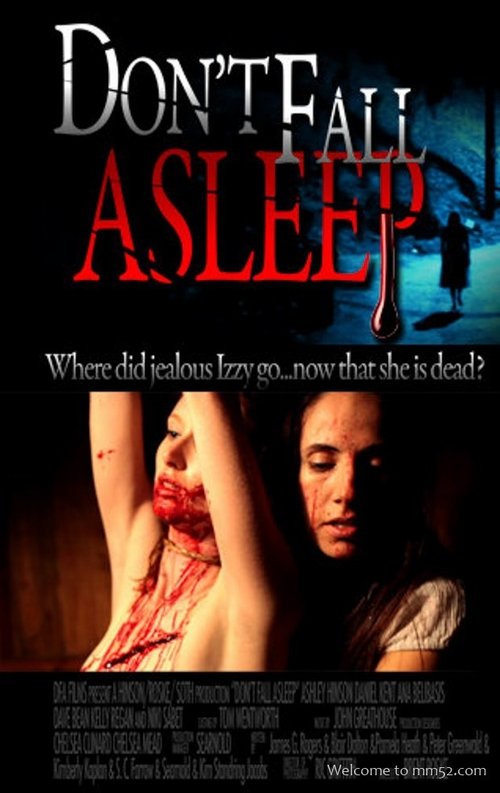
Don't Fall Asleep is a conventional psychological horror film that prioritizes genre clichés over social critique. While it touches on non-straight history and psychological instability, these elements function as plot devices to fuel suspense rather than as meaningful explorations of identity. The film largely reinforces traditional cinematic norms. It utilizes the 'unreliable female protagonist' cliché and treats neurological conditions as sources of terror, limiting its depth regarding disability and gender representation. Ultimately, the production lacks the intentionality needed to disrupt social hierarchies. It remains a localized, homogeneous story that avoids broader perspectives on diversity.
Category Breakdown
A historical subplot involves a woman killing her husband and his lover, introducing a non-straight relationship. However, this element mainly serves as a catalyst for jealousy rather than providing nuanced character development.
The film focuses on a female protagonist's psychological fragmentation and instability. It relies on the 'hysterical woman' cliché, which may reinforce traditional anxieties about female mental autonomy and control.
The cast lacks significant racial or ethnic diversity. The setting is a domestic, homogeneous environment without evidence of multicultural casting or non-white protagonists.
The narrative adheres to conventional Western horror structures, focusing on localized folklore and individual trauma. It avoids broader critiques of systemic institutions or moral relativism.
The protagonist's sleepwalking and dissociative symptoms drive the plot. These neurological conditions are framed through a lens of horror and suspense, rather than nuanced representation.
Present on Screen
Limited or Absent
Official Synopsis
Janice and Sam have moved into their first house. Neighbors tell them stories about Isabelle, a former owner, who flew into a jealous rage and killed her husband and his lover in the house. Now, 50 years later, Janice has started sleep-walking and having visions of a wild German woman and blood, lots of blood. Janice can't remember what she does when she sleepwalks. Is she responsible for new murders in the area? What other secrets does the house hold?
2014
2010
2005
2002
2010
2011
2005
2012
No reviews yet. Be the first to share your thoughts on this movie!
Use the rating form above to leave a star rating and optional review.