You are here:

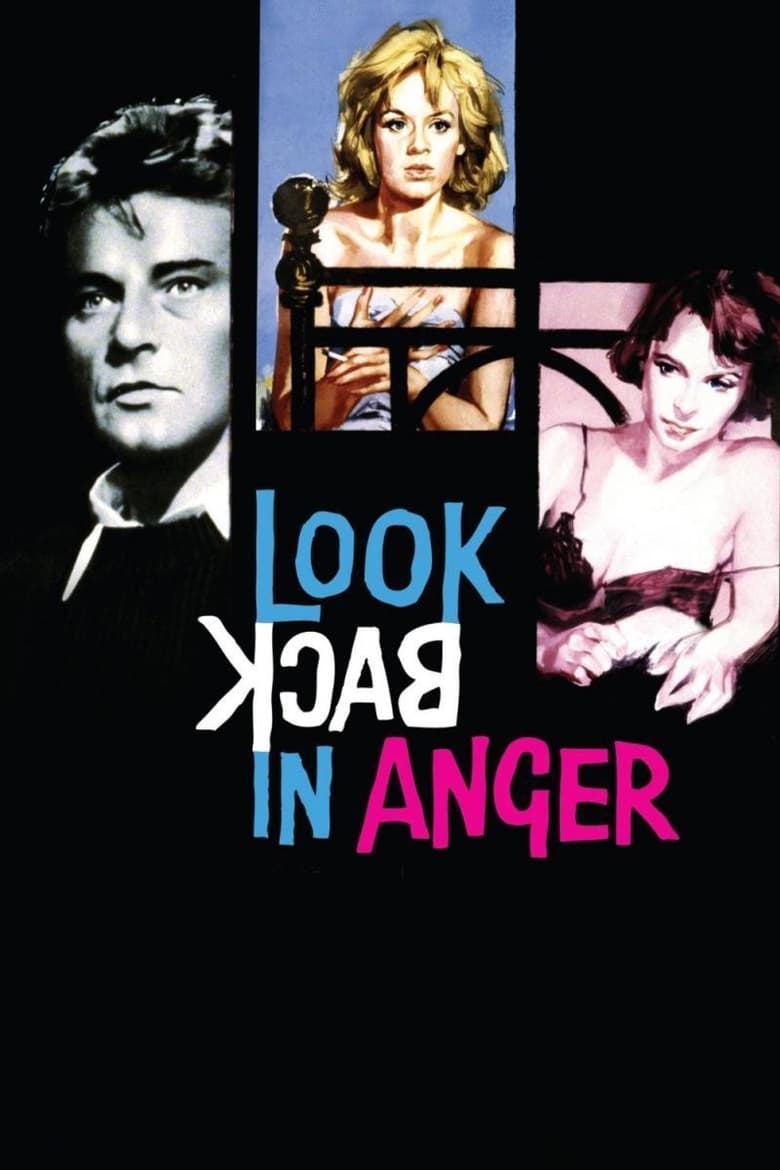
Look Back in Anger

Look Back in Anger

Representation Score

1.7/10

Minimal

1959

NR

Director

Tony Richardson

Runtime

98 minutes

Average Rating

No ratings yet

New Showbiz Analysis

Tony Richardson’s work is a cornerstone of Kitchen Sink Realism, emphasizing social realism over polished aesthetics. While the film lacks demographic variety, it stands as a powerful critique of the mid-century social order. The film's strength lies in its aggressive deconstruction of class hierarchies, using the 'Angry Young Man' archetype to challenge the perceived stability of the British class structure and the corruption of the establishment. However, the film remains limited by its era's social constraints, lacking representation of LGBTQ+ identities, racial diversity, and disability.

Watch this, not that →

Category Breakdown

Does Look Back in Anger have LGBTQ+ representation?

Minimal

The film focuses solely on heterosexual relationships and does not include any characters with non-binary gender identities or same-sex relationships.

How does Look Back in Anger portray gender?

Limited

The film depicts a traditional conflict between genders, where female characters are often portrayed as passive recipients of the protagonist's disillusionment rather than active agents of change.

How racially and ethnically diverse is Look Back in Anger?

Minimal

The cast is made up of actors from similar ethnic backgrounds, reflecting the focus on class struggles within the country. The story does not address racial or ethnic diversity.

How does Look Back in Anger represent religion and culture?

Excellent

The film effectively critiques established Western institutions, dismantling the perceived emptiness of the British class system and the complacency of the upper-middle class.

Does Look Back in Anger include disability representation?

Minimal

There are no significant depictions of physical or neurodivergent disabilities within the main character arcs.

Present on Screen

  • Sharp critique of the British class system and upper-middle-class complacency
  • Uses social realism to challenge mid-century social structures
  • Effectively portrays anti-establishment sentiment through the 'Angry Young Man' archetype

Limited or Absent

  • No representation of LGBTQ+ identities or non-binary gender expressions
  • Ethnically homogeneous cast with no engagement regarding racial or ethnic diversity
  • Toxic portrayal of male dominance without challenging traditional masculinity

Official Synopsis

A disillusioned, angry university graduate comes to terms with his grudge against middle-class life and values.

How are these scores produced? →

Where to Watch

Rate this Movie

No rating selected
Use arrow keys to select a rating from 1 to 5 stars
Optional text review, maximum 2000 characters
Tip: Wrap spoilers with ||double pipes|| to hide them
0/2000 characters
You must be signed in to submit a rating

Reviews

No reviews yet. Be the first to share your thoughts on this movie!

Use the rating form above to leave a star rating and optional review.