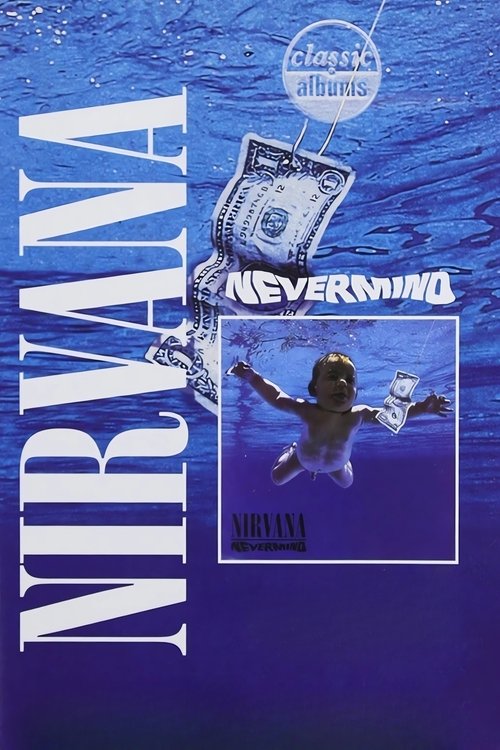
Classic Albums: Nirvana - Nevermind
2005
No user ratings available yet
Representation score: 7.3 out of 10

Representation Score
Fair
2001
Director
Bob Smeaton
Runtime
90 minutes
Average Rating
No ratings yetNew Showbiz Analysis
This documentary provides a deep look into the creative synergy of Elton John and Bernie Taupin. It succeeds in normalizing queer presence by centering an openly gay icon within the mainstream musical canon. However, the film is constrained by the historical context of the 1970s music industry. The studio environments and creative hierarchies depicted are overwhelmingly male and white, reflecting the era's demographic homogeneity. Ultimately, the film is a study of individual expression. While it lacks broad demographic variety, it offers a significant boost to visibility through its central subject's identity.
Category Breakdown
The film centers on Elton John, a key figure in promoting queer visibility. It celebrates a non-straight identity through the lens of his massive artistic achievements.
The narrative focuses on a male-dominated 1970s rock production environment. Creative control is primarily attributed to the male protagonists and producers.
The documentary reflects the historical lack of racial diversity in 1970s Western rock settings. The featured musicians and cast are predominantly white.
The film prioritizes individual creative truth over institutional or religious frameworks. It focuses on the personal, tumultuous journeys of the artists involved.
There are no prominent depictions of physical or neurodivergent disabilities that drive the narrative or serve as central character traits.
Present on Screen
Limited or Absent
Official Synopsis
The worlds of glitz, glam, and pop-rock fused immortally on Goodbye Yellow Brick Road, born of the formidable partnership of Elton John and Bernie Taupin. This 1973 double album may well have been the peak of their collaboration. Ranging from perennial favorites like "Candle in the Wind," "Bennie and the Jets," and the title track to more ambitious compositions like "Funeral for a Friend/Love Lies Bleeding" and everything in between, Goodbye is unmatched in its depth and scope. This entry in the Classic Albums series of DVDs documents the often tumultuous writing and recording sessions for that masterpiece through vintage clips of the musicians in the studio and new interviews with Elton, Bernie, producer Gus Dudgeon, and the band members. We may never know how the John-Taupin team achieved their magic, but this release offers a both a peek at the process and a few reasons why the album endures today.
2005
2016

2008

2024
1999
2016
2003
2008
No reviews yet. Be the first to share your thoughts on this movie!
Use the rating form above to leave a star rating and optional review.