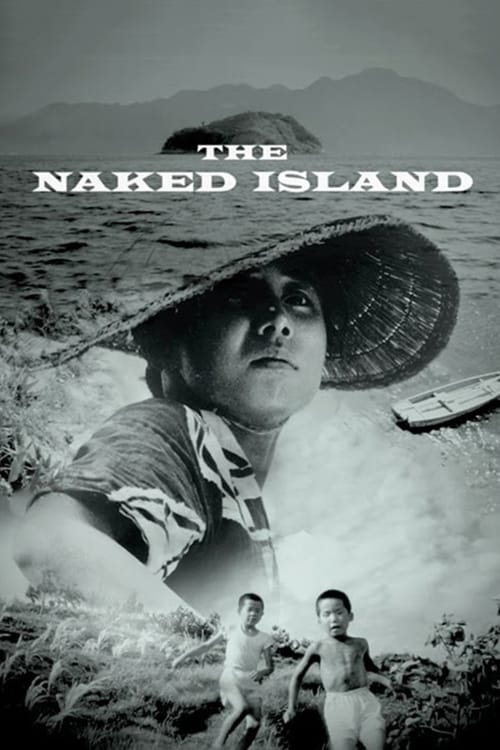
The Naked Island
1960
No user ratings available yet
Representation score: 5.5 out of 10
Representation Score
Fair
2004
Director
Tetsuo Shinohara
Runtime
123 minutes
Average Rating
No ratings yetNew Showbiz Analysis
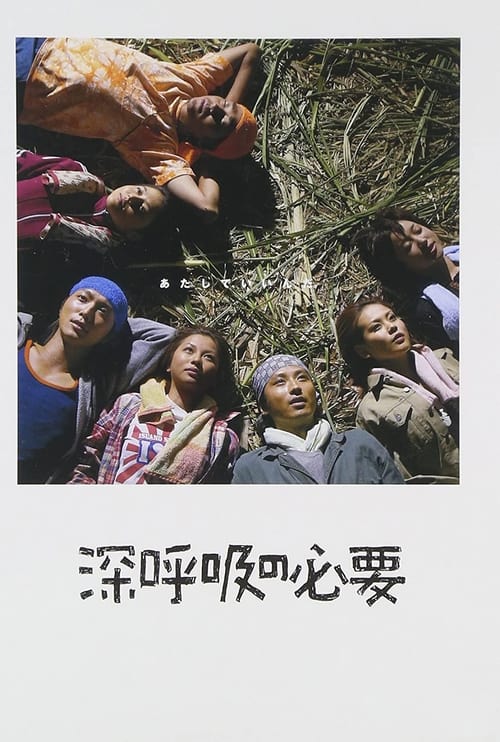
Breathe In, Breathe Out successfully shifts the focus from the typical urban-centric view of Japanese cinema. By placing the story in Okinawa, the film offers a nuanced perspective on regional identity and the lives of sugarcane harvesters. The film excels in its detailed examination of a underrepresented rural community, moving away from broad stereotypes to highlight the specific challenges faced by the local workforce. However, it lacks explicit representation of LGBTQ+ identities and disability, leaving questions about its stance on gender norms and queer-coded roles.
Category Breakdown
The film features a variety of characters but does not explicitly confirm any LGBTQ+ identities or non-cisgender narratives.
The story centers around a group of workers, suggesting a move away from traditional patriarchal structures. Women play a significant role through their active involvement in the labor force.
By setting the story in Okinawa, the film highlights the region’s unique cultural and ethnic characteristics. This contrasts with the common portrayal of Japan as a homogeneous society, emphasizing the local workforce.
The film delves into the mental and physical hardships faced by the working class. It avoids idealized rural stereotypes, focusing instead on the realities of economic necessity and labor conditions.
The narrative does not include characters dealing with physical, sensory, or neurodivergent disabilities.
Present on Screen
Limited or Absent
Official Synopsis
Breathe In, Breathe Out centers on six, later seven, individuals who have gotten jobs harvesting sugarcane on a small Okinawa island. Each worker has their own unique personality as well as their own issues as they learn to work together...
1960
1970
1994

1978
2015
2005
1964
2013
No reviews yet. Be the first to share your thoughts on this movie!
Use the rating form above to leave a star rating and optional review.