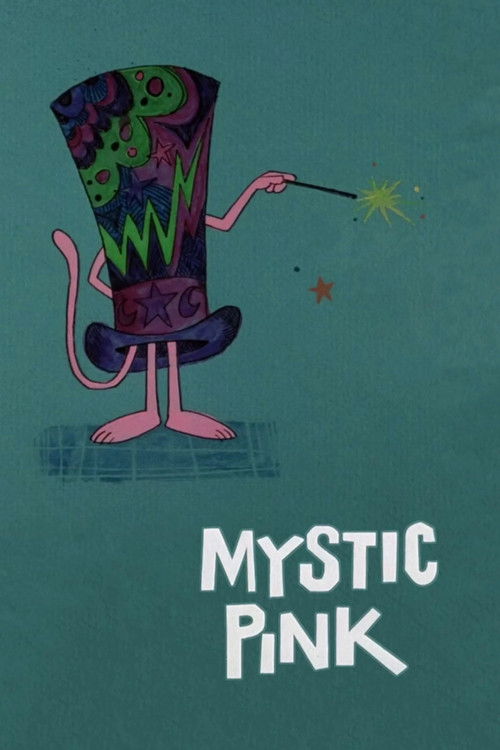
Mystic Pink
1976
No user ratings available yet
Representation score: 0.2 out of 10
Representation Score
Minimal
1967
GDirector
Hawley Pratt
Runtime
6 minutes
Average Rating
No ratings yetNew Showbiz Analysis
This animated short functions as a character-driven slapstick vignette. The narrative relies on the friction between a stoic protagonist and a disruptive rabbit, prioritizing physical comedy over social commentary. Because the film is a non-verbal short from 1967, it lacks the capacity for nuanced multi-layered dialogue. The characters serve as archetypes of temperament rather than identity-driven personas. Ultimately, the work reflects the era's standard for animation, focusing on universalized, non-specific characters that avoid the complexities of characters who reflect more than one aspect of diversity.
Category Breakdown
The film features animal characters in a slapstick setting. There is no indication of same-sex relationships or non-conforming gender identities.
The cast includes anthropomorphic animals rather than a diverse range of human genders. The Pink Panther embodies a sophisticated, detached masculinity, but the conflict remains purely situational.
Stylized, non-human characters avoid racial casting. However, the film lacks intentional demographic blending or representation of diverse ethnic identities.
The narrative operates within a traditional comedic framework. It avoids systemic critiques, religious deconstruction, or engagement with diverse cultural institutions.
Characters do not have visible or invisible disabilities. Actions are driven by comedic timing and instinct rather than neurodivergence or physical impairment.
Present on Screen
Limited or Absent
Official Synopsis
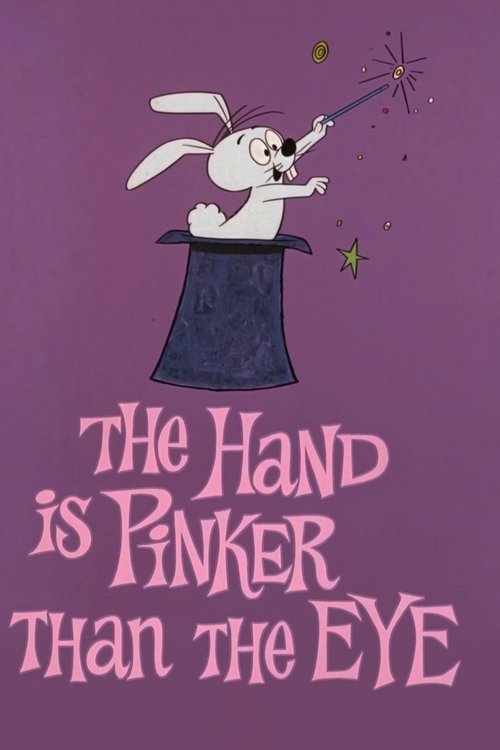
A cold Pink Panther sneaks into a house owned by a magician and gets irritated by a rabbit who keeps bothering him.
1976

1968
1967
1969
1967
1966
1968

1966
No reviews yet. Be the first to share your thoughts on this movie!
Use the rating form above to leave a star rating and optional review.