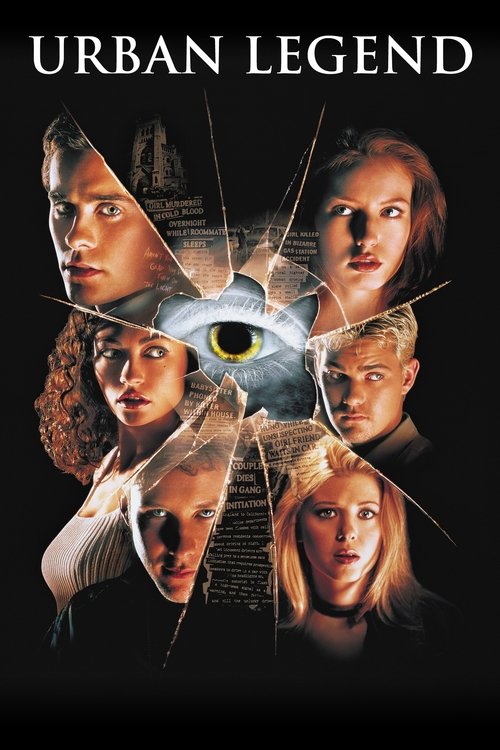
Urban Legend
1998
No user ratings available yet
Representation score: 4.5 out of 10
Representation Score
Fair
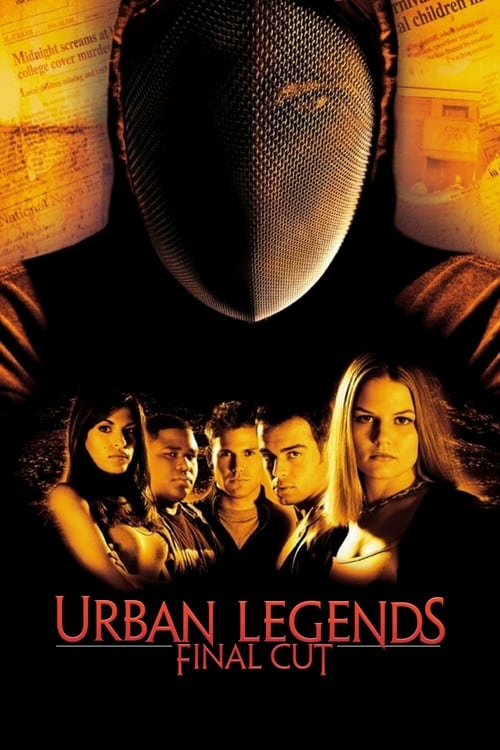
2000
RDirector
John Ottman
Runtime
98 minutes
Average Rating
No ratings yetNew Showbiz Analysis
Urban Legends: Final Cut serves as a postmodern, meta-commentary on the horror genre rather than a vehicle for exploring social issues. While it breaks down cinematic clichés, it stays tied to the demographic norms of the early 2000s. The film heavily relies on established genre archetypes, resulting in a lack of meaningful representation for LGBTQ+ individuals and people with disabilities. The cast is largely homogeneous, failing to reflect a diverse student body. Ultimately, the film prioritizes genre-specific mechanics over challenging social or racial hierarchies. It offers a standard slasher experience that lacks intentional multi-layered depth.
Category Breakdown
The film does not include any LGBTQ+ characters or storylines. It follows traditional slasher movie themes that do not address non-straight identities.
A central female character uses the 'Final Girl' cliché to gain ability to act. However, female characters are often shown as targets of violence within typical horror movie conventions.
The cast is mainly made up of white college-aged students. The setting does not show much ethnic diversity, reinforcing a non-diverse cinematic tradition of the time.
The story uses self-referential commentary to break down horror genre rules. It shows students focusing on personal survival rather than following campus authority and institutional safety measures.
There is no representation of physical or neurodivergent disabilities. Characters are depicted using standard physical types common to the slasher genre.
Present on Screen
Limited or Absent
Official Synopsis
The making of a horror movie takes on a terrifying reality for students at the most prestigious film school in the country. At Alpine University, someone is determined to win the best film award at any cost - even if it means eliminating the competition. No one is safe and everyone is a suspect.
1998
1997
2000

2006
1997
2006
1982

2000
No reviews yet. Be the first to share your thoughts on this movie!
Use the rating form above to leave a star rating and optional review.