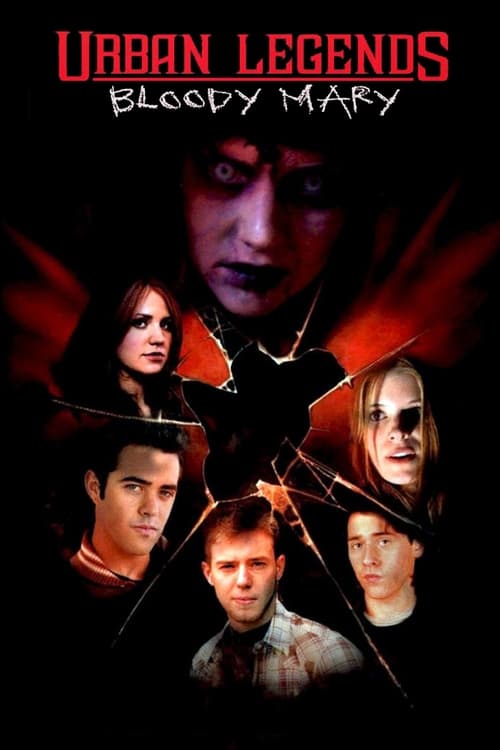
Urban Legends: Bloody Mary
2005
No user ratings available yet
Representation score: 0.8 out of 10
Representation Score
Fair
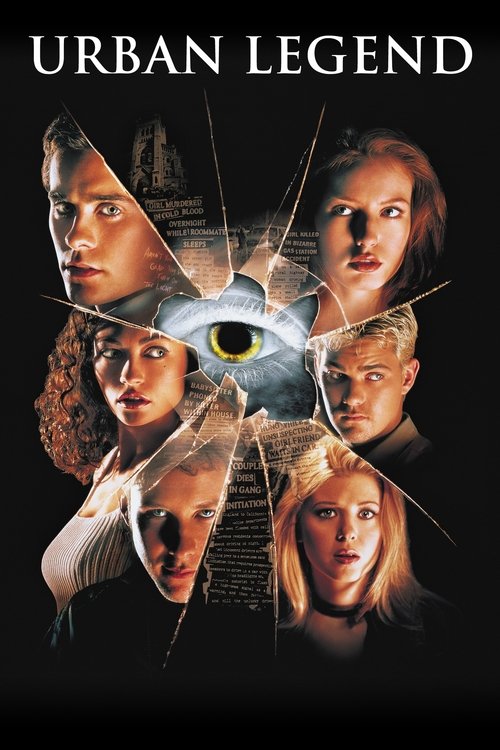
1998
RDirector
Jamie Blanks
Runtime
100 minutes
Average Rating
No ratings yetNew Showbiz Analysis
Urban Legend operates as a postmodern genre exercise, prioritizing commentary on folklore over social critique. While the film includes a multi-ethnic ensemble, reflecting a degree of racial diversity, it remains anchored in traditional clichés. The narrative structure focuses on suspense and the mechanics of the slasher genre, where characters often serve as plot devices rather than complex individuals. Ultimately, the film reflects the commercial standards of the late 1990s, capturing a modern collegiate atmosphere but failing to challenge established social, racial, or gender hierarchies.
Category Breakdown
The film follows the assumption that everyone is straight or cisgender, focusing on conventional heterosexual relationships without representing LGBTQ+ identities.
The narrative uses the 'Final Girl' cliché to give women a significant role in the climax. However, supporting characters often fall into traditional gender roles that reinforce existing hierarchies.
The ensemble cast includes students from various ethnic backgrounds at St. Ambrose University. However, characters of color often play typical slasher victim roles.
The story operates within a standard Western capitalist framework centered on a private university. It lacks engagement with institutional critiques or sophisticated moral perspectives.
There is no meaningful depiction of physical, neurodivergent, or sensory disabilities. Characters are defined by their function in the plot's suspense rather than nuanced identity.
Present on Screen
Limited or Absent
Official Synopsis
A college campus is plagued by a vicious serial killer murdering students in ways that correspond to various urban legends.
2005
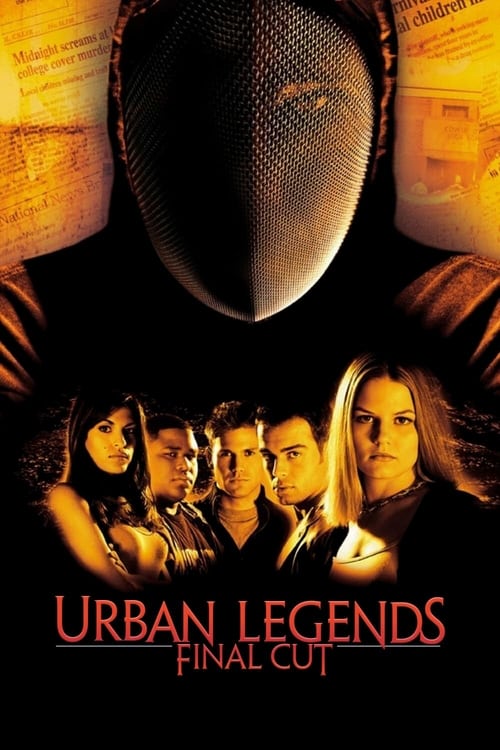
2000
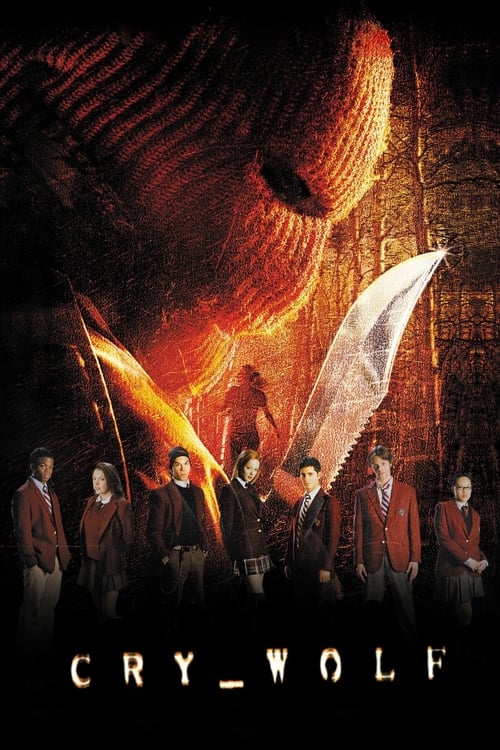
2005

1998
2016
1984
2008

2006
No reviews yet. Be the first to share your thoughts on this movie!
Use the rating form above to leave a star rating and optional review.