
Black Christmas
2006
No user ratings available yet
Representation score: 3.8 out of 10
Representation Score
Limited
1982
RDirector
Mark Rosman
Runtime
91 minutes
Average Rating
No ratings yetNew Showbiz Analysis
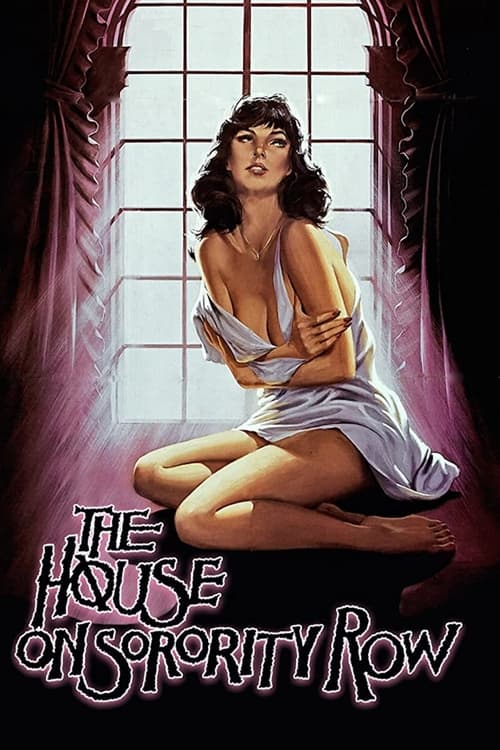
The House on Sorority Row is a typical product of the 1980s slasher era. It follows established genre conventions rather than trying to challenge social hierarchies or offer diverse narratives. While the film provides a platform for female characters to take charge in a survival-based horror context, it remains confined within a narrow, homogeneous social framework. Ultimately, the film lacks the intentionality needed for progressive social commentary. It serves as a genre exercise that mirrors the limited diversity found in mainstream cinema of its time.
Category Breakdown
The film sticks to the traditional social structures of the early 1980s. It doesn't include any non-straight or non-cisgender identities or stories that question the idea that everyone is straight or cisgender.
While the story focuses on female characters, it heavily relies on the 'final girl' cliché. Women are often shown as victims of violence rather than as disruptors of social hierarchies.
The cast is mainly made up of the same ethnicity, reflecting the casting trends of early 1980s American horror. There is no significant racial mixing within the sorority setting.
The story works as a warning about group dysfunction and social transgressions. It doesn’t explore complex moral relativism or break down Western institutions.
There is no identifiable evidence regarding the portrayal of visible or invisible disabilities in this film.
Present on Screen
Limited or Absent
Official Synopsis
When the senior sorority sisters of Theta Pi decide to do in their demented house mother, someone seeks revenge, and begins a night of terror and madness.
2006
1980
2009

1974
1986
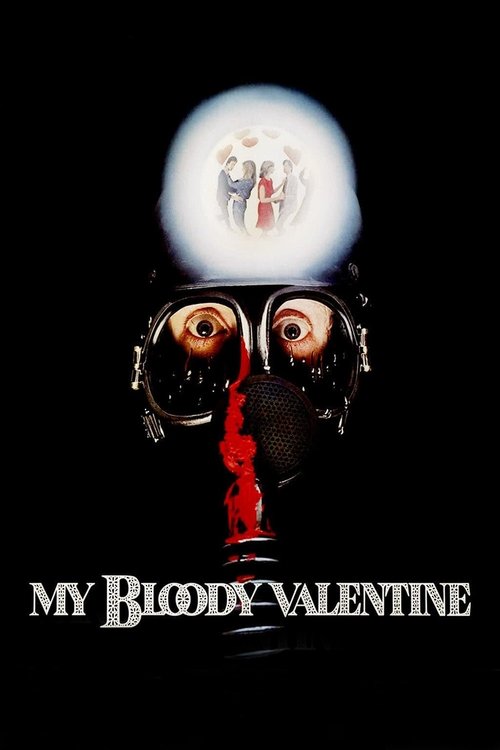
1981

2006

2019
No reviews yet. Be the first to share your thoughts on this movie!
Use the rating form above to leave a star rating and optional review.