
A Visit to the Louvre
2004
No user ratings available yet
Representation score: 2.6 out of 10
Representation Score
Minimal
1990
Director
Danièle Huillet, Jean-Marie Straub
Runtime
52 minutes
Average Rating
No ratings yetNew Showbiz Analysis
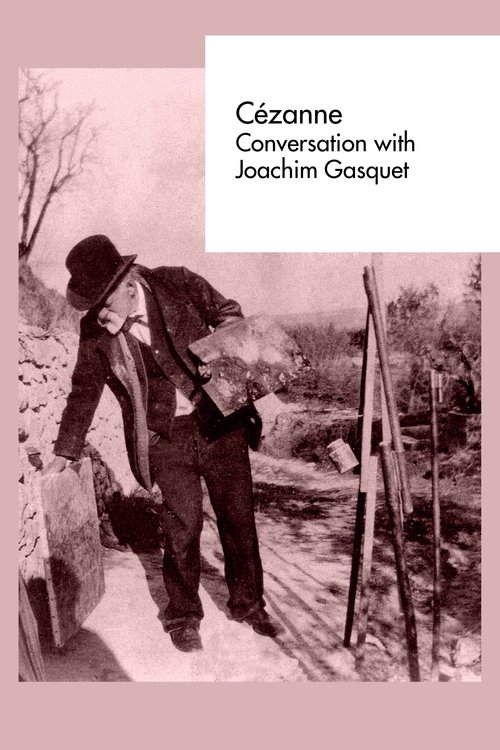
Cézanne: Conversation with Joachim Gasquet is a rigorous exercise in formalist cinema that prioritizes aesthetic and philosophical depth over demographic representation. It disrupts conventional cinematic expectations by eschewing traditional plot for a meditative, intellectual exchange. The work operates within a highly specific, historically European framework. Because it focuses on the intersection of art history and philosophy, it does not engage with modern identity politics or diverse social hierarchies. While the film lacks representation regarding gender, race, and sexuality, its radical filmmaking pedigree places it outside the standard metrics used to measure mainstream social representation.
Category Breakdown
The film focuses on art history and philosophy, and does not depict LGBTQ+ identities or non-cisgender gender expressions.
The dialogue and subject matter center around a male-dominated historical discourse. The film lacks women's ability to drive the story, focusing instead on the male-centric history of 19th-century aesthetics.
This specialized study of French post-impressionist art focuses on a specific European context. It does not feature a diverse cast or address racial intersections.
The film rejects consumerist narrative structures in favor of an intellectual essay format. It favors secular philosophical inquiry over religious or patriotic dogmas.
There are no visible or invisible disabilities portrayed with ability to act. No characters have narratives driven by physical or neurodivergent conditions.
Present on Screen
Limited or Absent
Official Synopsis
A landmark work of symbolistic imagery. The words that the filmmakers speak offscreen are imaginary conversation with Cézanne quoted from a critique by Joachim Gasquet. An exchange of memories spanning over 250 years interweaves everything from the philosophy of Empedocles to excerpts from the film Madame Bovary, to extant paintings by Cézanne, to the buildings of the artists’ village at Mont Sainte-Victoire. —ntticc.or.jp
2004
1983

2011
1987

1950
2018
1990
1948
No reviews yet. Be the first to share your thoughts on this movie!
Use the rating form above to leave a star rating and optional review.