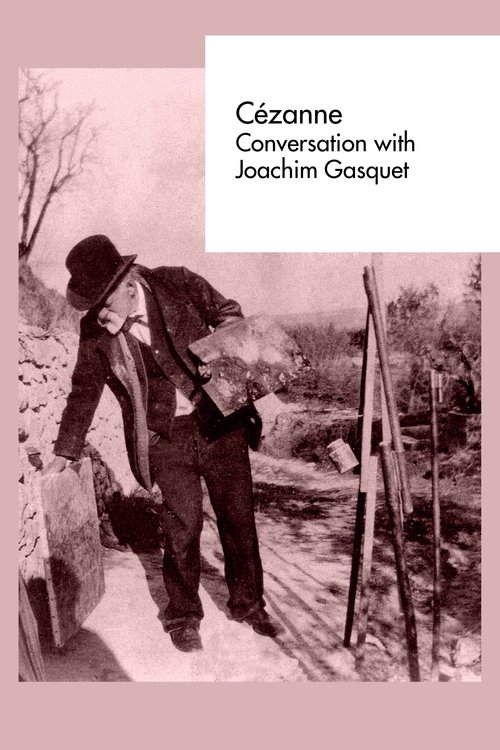
Cézanne: Conversation with Joachim Gasquet
1990
No user ratings available yet
Representation score: 1.1 out of 10

Representation Score
Limited
2004
Director
Jean-Marie Straub, Danièle Huillet
Runtime
49 minutes
Average Rating
No ratings yetNew Showbiz Analysis
A Visit to the Louvre is a formalist documentary that prioritizes the structure and experience of museum space over character development. Since the film focuses on the museum environment rather than personal stories, it doesn't represent traditional identities. The minimalist approach of the film challenges the authority of the museum and the capitalist and nationalist hierarchies often associated with art consumption. However, the lack of character's ability to drive the story means that underrepresented groups, such as LGBTQ+ individuals and people with disabilities, are not represented.
Category Breakdown
The film doesn't show any characters with LGBTQ+ identities or discuss sexual orientation or gender identity.
The film avoids traditional gender roles by focusing on static observation rather than character development.
The film highlights the relationship between the viewer and art objects but doesn't emphasize specific racial or ethnic groups.
The film critiques Western institutions by disrupting the traditional museum experience. It focuses on the aesthetic experience rather than religious morality.
The film doesn't include any characters with visible or invisible disabilities. It focuses solely on the interaction between light, space, and art.
Present on Screen
Limited or Absent
Official Synopsis
A visit to the Louvre in Paris commentated by an actor reading Cézanne.
1990
2011
2018
2012
2013
2019

1950
2015
No reviews yet. Be the first to share your thoughts on this movie!
Use the rating form above to leave a star rating and optional review.