
Charter
2020
No user ratings available yet
Representation score: 5.7 out of 10
Representation Score
Fair
2017
RDirector
Andrey Zvyagintsev
Runtime
122 minutes
Average Rating
No ratings yetNew Showbiz Analysis
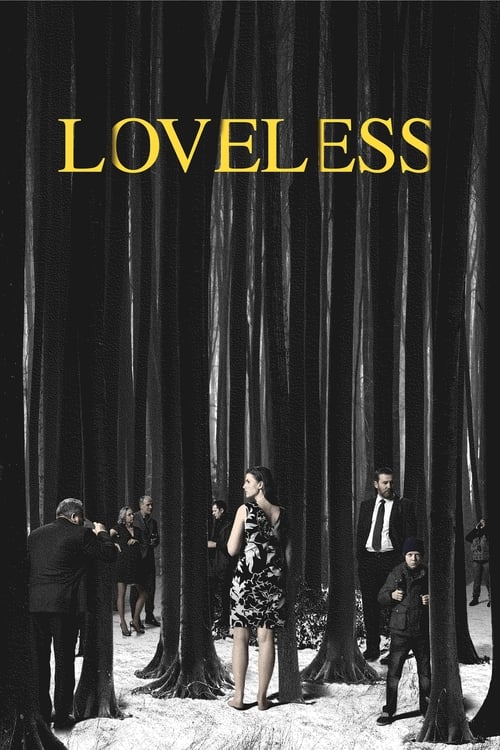
Loveless is a harsh look at the breakdown of the nuclear family. It challenges traditional gender roles by showing both parents as equally dysfunctional. However, the film lacks demographic variety. The narrative is confined to a homogeneous Russian setting, offering little representation for LGBTQ+ individuals or diverse ethnic groups. The focus remains on the psychological and social issues of a specific social class. Ultimately, the film's strength lies in its critique of modern consumerism and failing institutions, providing a deep, though bleak, deconstruction of social and familial bonds.
Category Breakdown
The film focuses solely on a troubled heterosexual family unit. There are no visible LGBTQ+ characters or non-cisgender identities in the story.
The story challenges traditional gender roles by showing both parents as equally unable to provide emotional or structural support.
The cast is uniform, reflecting the specific demographic of a contemporary Russian provincial area. The focus is on socioeconomic and psychological issues rather than ethnic diversity.
The film critiques consumerism and individualistic social structures. It portrays state institutions as bureaucratic, cold, and ineffective within a modern context.
The film does not focus on physical or neurodivergent disabilities. The characters' emotional struggles are seen as symptoms of societal decay rather than a lack of representation.
Present on Screen
Limited or Absent
Official Synopsis
Zhenya and Boris are going through a vicious divorce marked by resentment, frustration and recriminations. Already embarking on new lives, each with a new partner, they are impatient to start again, to turn the page – even if it means threatening to abandon their 12-year-old son Alyosha. Until, after witnessing one of their fights, Alyosha disappears.
2020
2016

2012

2016

2019
2011
2019

2016
No reviews yet. Be the first to share your thoughts on this movie!
Use the rating form above to leave a star rating and optional review.