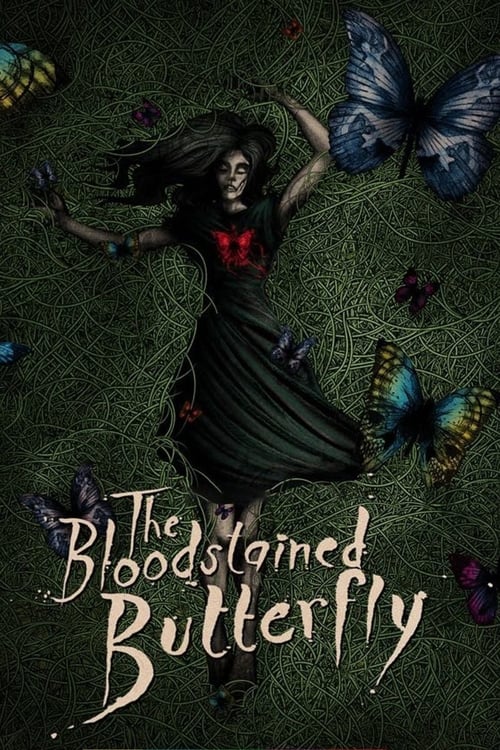
The Bloodstained Butterfly
1971
No user ratings available yet
Representation score: 1.4 out of 10
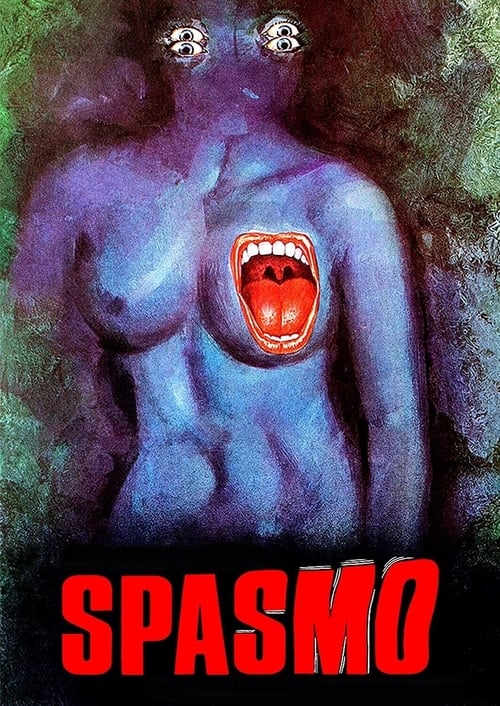
Representation Score
Minimal
1974
RDirector
Umberto Lenzi
Runtime
94 minutes
Average Rating
No ratings yetNew Showbiz Analysis
Spasmo is a traditional thriller that upholds conventional social and gender hierarchies. It follows the established norms of 1970s European cinema, focusing on traditional character types and storylines. The film centers on straight-centered relationships and a homogeneous Western demographic. It does not challenge the status quo regarding race, gender, or identity. Overall, the work explores psychological obsession within a narrow, traditional social structure.
Category Breakdown
The film does not include any LGBTQ+ characters or storylines. Relationships and tensions are centered around heterosexual dynamics.
Gender roles adhere to traditional genre conventions. Female characters frequently serve as catalysts for plot development through victimization or objectification, lacking significant influence over the story.
The cast reflects a homogeneous social environment typical of mid-century European thrillers. There is no significant racial diversity among the main characters.
The narrative sets a middle-to-upper-class urban scene as a neutral backdrop. It avoids addressing Western institutions, religion, or capitalism.
There are no visible or invisible disabilities depicted. Characters are not part of neurodivergent or physical disability narratives.
Present on Screen
Limited or Absent
Official Synopsis
While walking along the beach, Christian and his girlfriend discover a mysterious woman washed ashore. The following day, Christian meets the woman again at a yacht party and soon finds himself entangled in a web of lust, intrigue and murder.
1971
1963
1971
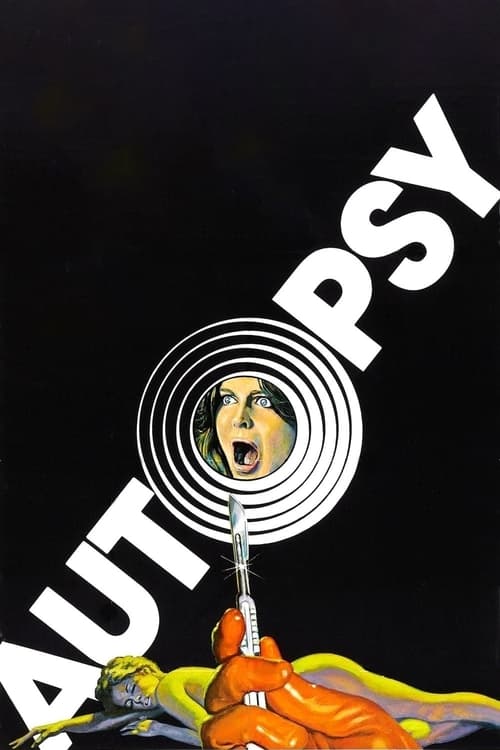
1975

1964
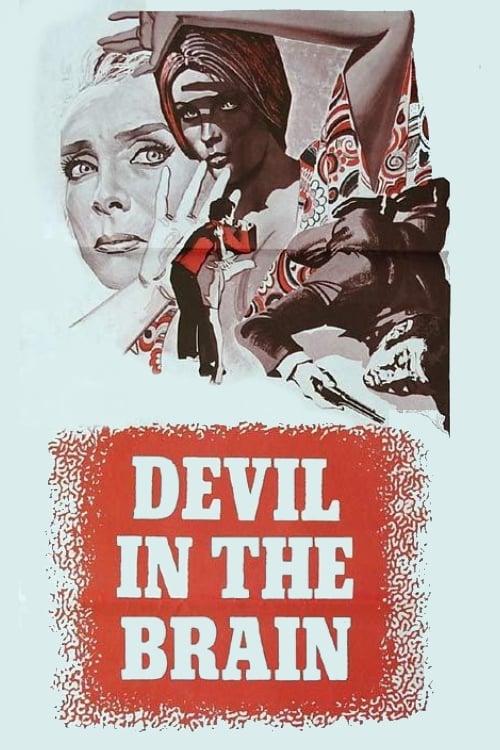
1972
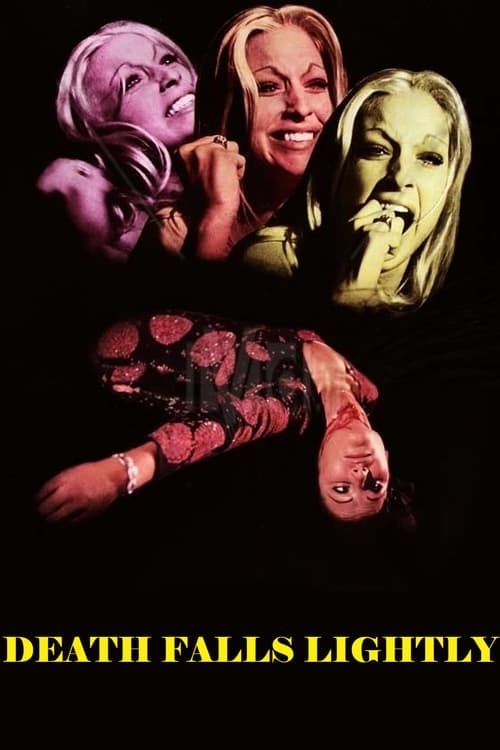
1972
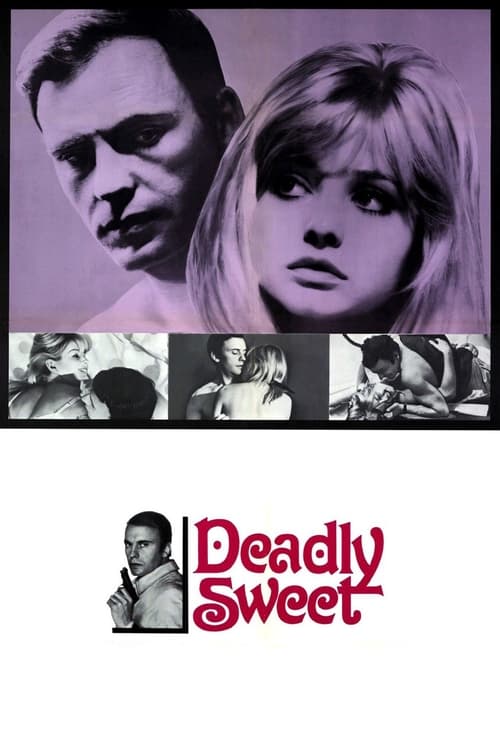
1967
No reviews yet. Be the first to share your thoughts on this movie!
Use the rating form above to leave a star rating and optional review.