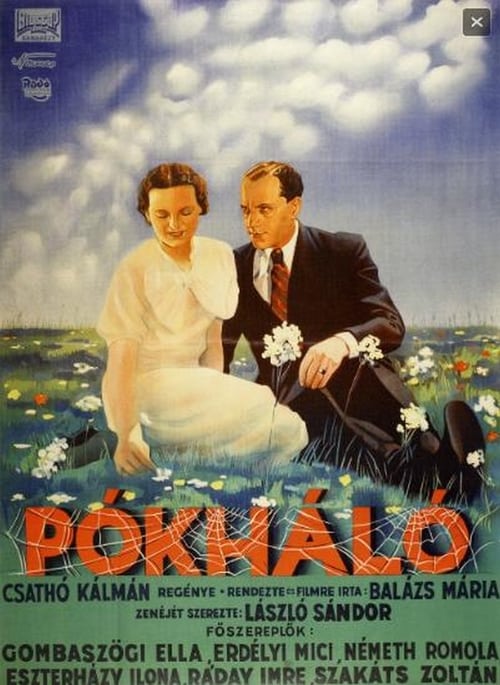
Cobweb
1936
No user ratings available yet
Representation score: 4.2 out of 10
Representation Score
Fair
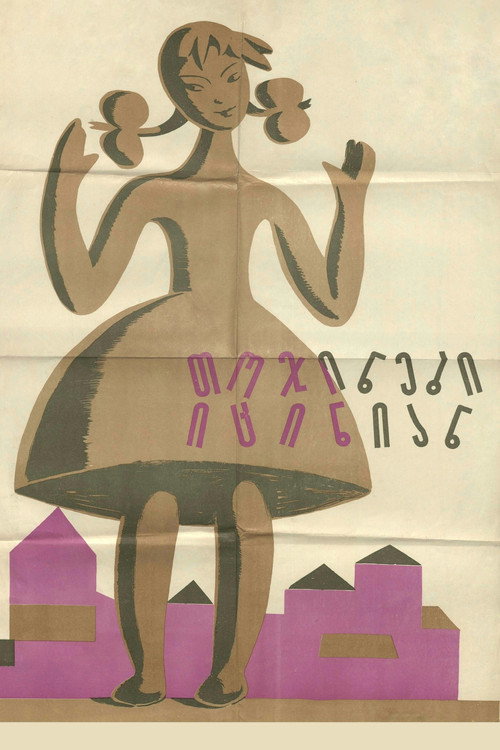
1963
Director
Nikoloz Sanishvili
Runtime
122 minutes
Average Rating
No ratings yetNew Showbiz Analysis
The film functions as a traditional character study focused on vocational discovery. It offers a valuable non-Western perspective that challenges the Western-centric cinematic canon of the era. However, the narrative adheres to the social conventions of 1963. It emphasizes individual ability to act and familial conflict without addressing systemic issues or multi-layered complexities. While the protagonist's struggle against patriarchal expectations slightly subverts gendered duties, the film lacks broader representation of diverse identities.
Category Breakdown
The film does not include any explicit LGBTQ+ characters or narratives. Instead, it focuses on traditional romantic and family relationships typical of the 1960s.
The story centers around a male protagonist who navigates the pressures of a patriarchal society from his father. While the film challenges rigid masculine roles, the ability to act remains primarily male-driven.
As a Georgian production, the film provides a localized, non-Western perspective. However, it maintains ethnic homogeneity within its specific cultural context.
The narrative explores the tension between institutional success and personal passion. It deconstructs traditional authority by valuing individual calling over societal hierarchies.
There are no characters with physical or neurodivergent disabilities in the narrative or cast.
Present on Screen
Limited or Absent
Official Synopsis
Meliton Beltadze only son Reziko opera singer, has neither the talent nor the desire, but for the sake of the mother's grandmother and studied at the Conservatoire. Reziko first test of the household could not steal a father and son reveals. Melitoni troubled his friend, the director complained to the toy factory and asks the child to receive a temporary work. Factory Reziko true talent is revealed, its currently outstanding dolls quickly attracts attention. Factory accidentally found his calling with the young man that finds here first.
1936

1985
1948

1970
1962
1946

1934
1981
No reviews yet. Be the first to share your thoughts on this movie!
Use the rating form above to leave a star rating and optional review.