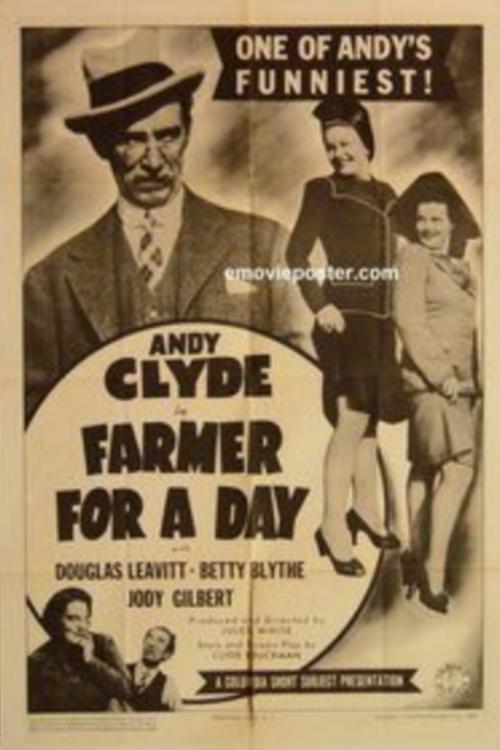
Farmer for a Day
1943
No user ratings available yet
Representation score: 0.6 out of 10
No Poster Available
Representation Score
Limited
1933
ApprovedDirector
Ben Holmes
Runtime
10 minutes
Average Rating
No ratings yetNew Showbiz Analysis
Whisperin' Bill is a period piece that reflects the social norms of the 1930s. It prioritizes traditional masculine experiences and patriotic narratives over diverse representations. While the film lacks diversity in race and gender, it offers a nuanced look at the physical and mental toll of war. The film's strength lies in its depiction of disability and the psychological aftermath of conflict. However, it remains firmly rooted in the homogeneous and patriarchal structures of its era.
Category Breakdown
The film does not include any representation of LGBTQ+ identities or non-cisgender themes. It focuses on traditional family structures typical of the 1930s.
The story centers on male figures and emphasizes traditional masculine roles of patriotic duty. It reinforces traditional gender hierarchies without challenging them.
The setting reflects the homogeneous social structures of early 20th-century cinema. There is no indication of a multi-ethnic cast or diverse characters.
The film explores traditional Western concepts of national service and patriotism. It frames sacrifice within a conventional context without critical examination.
The protagonist's physical and psychological wounds provide a meaningful look at the impact of trauma. This depiction gives the character a significant role in his struggle with disability.
Present on Screen
Limited or Absent
Official Synopsis
A candidate for Congress visits Mr. Bowman at his farm to ask for his vote. In reply, Mr. Bowman recites the title poem. It tells the story of his son, Bill, who answered his country's call to war. When Bill went to fight, he was a whole person, but he returned wounded in body, mind, and spirit.
1943

1938
1941
1946

1944

1971
1944
1930
No reviews yet. Be the first to share your thoughts on this movie!
Use the rating form above to leave a star rating and optional review.