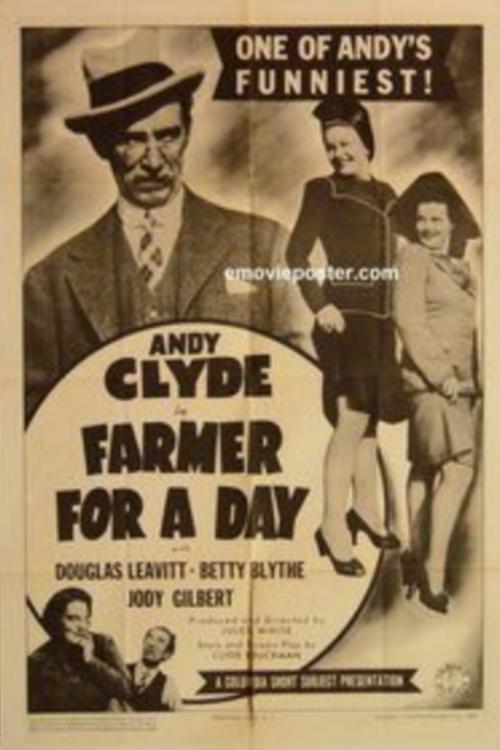
Farmer for a Day
1943
No user ratings available yet
Representation score: 0.6 out of 10
Representation Score
Minimal
1944
NRDirector
Jules White
Runtime
16 minutes
Average Rating
No ratings yetNew Showbiz Analysis
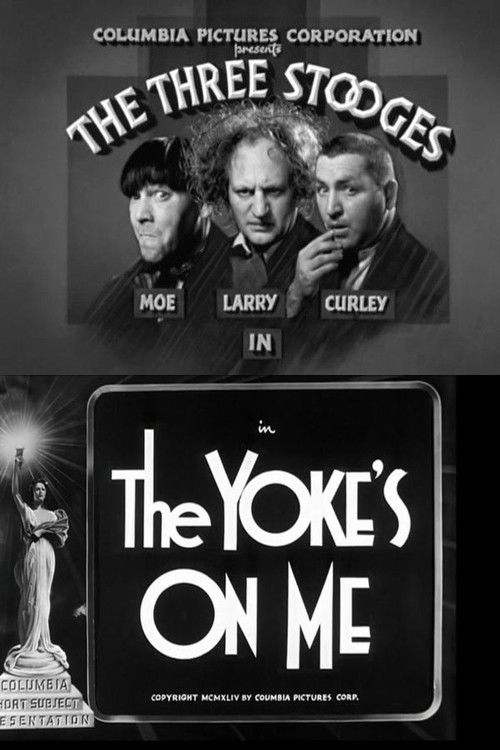
The Yoke's on Me is a product of its 1944 wartime context, serving as a comedic vehicle that reinforces contemporary nationalist hierarchies. Its narrative focuses on broad slapstick humor over challenging social structures. The low diversity score comes from the use of racial stereotypes and the reinforcement of exclusionary social frameworks. The film's reliance on anti-Japanese content reflects the geopolitical biases of the time, leading to its later restrictions from television.
Category Breakdown
The film follows the gender norms and assumptions of the 1940s, where everyone is assumed to be straight or cisgender. There is no depiction of non-binary gender identities or same-sex relationships.
The story is set within a strictly patriarchal framework. Women play minor roles and are mostly absent from the main storyline, often portrayed in traditional, passive roles.
The film includes significant anti-Japanese content typical of the wartime period. It uses racial stereotypes to reinforce wartime sentiments without providing deeper, perspectives that reflect multiple aspects of identity.
The narrative is rooted in traditional Western wartime values and patriotism. It upholds the status quo without challenging Western institutions or national morality.
The comedy relies on physical slapstick that may border on mocking physical coordination. However, no characters with recognized disabilities serve as central plot devices.
Present on Screen
Limited or Absent
Official Synopsis
The Stooges become farmers as a last resort when every branch of the armed services turns them down. Strong anti-Japanese content during World War II caused this short to later be banned from television
1943
1946

1943
1946
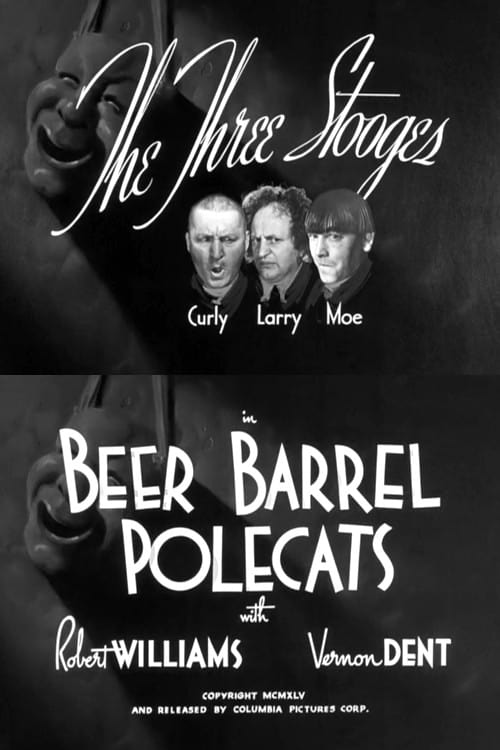
1946
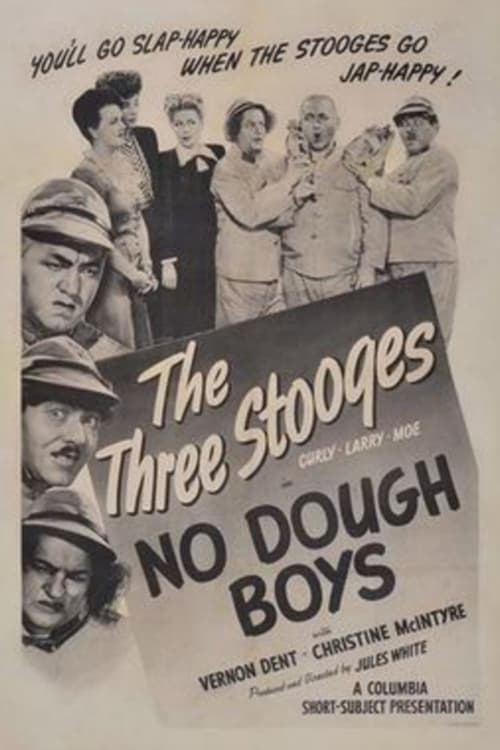
1944
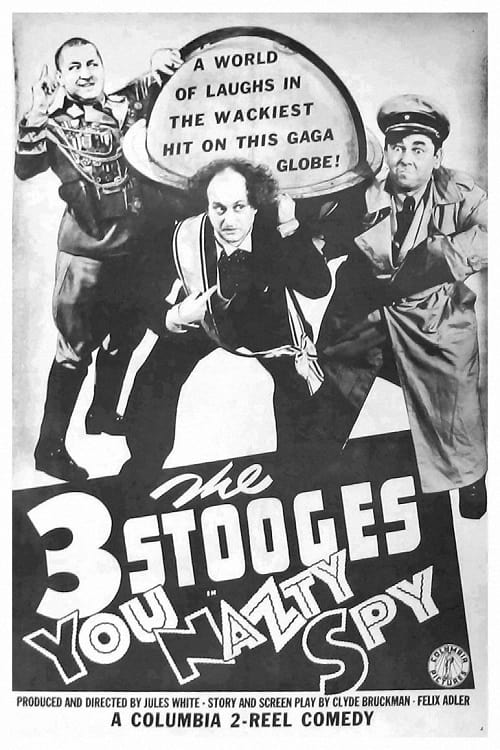
1940
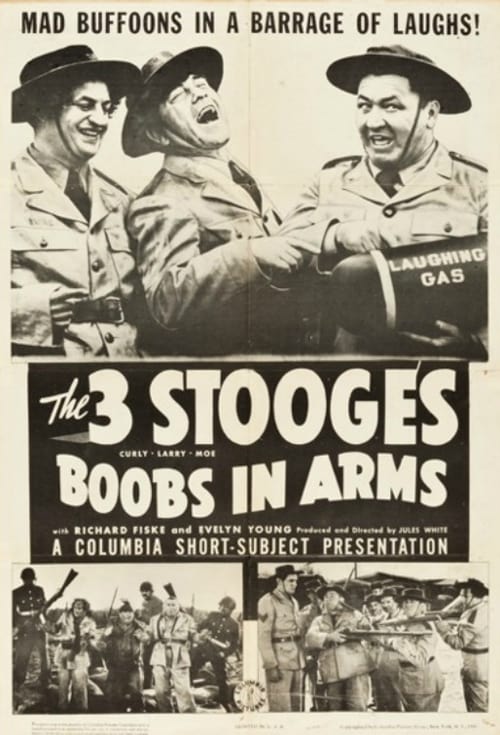
1940
No reviews yet. Be the first to share your thoughts on this movie!
Use the rating form above to leave a star rating and optional review.