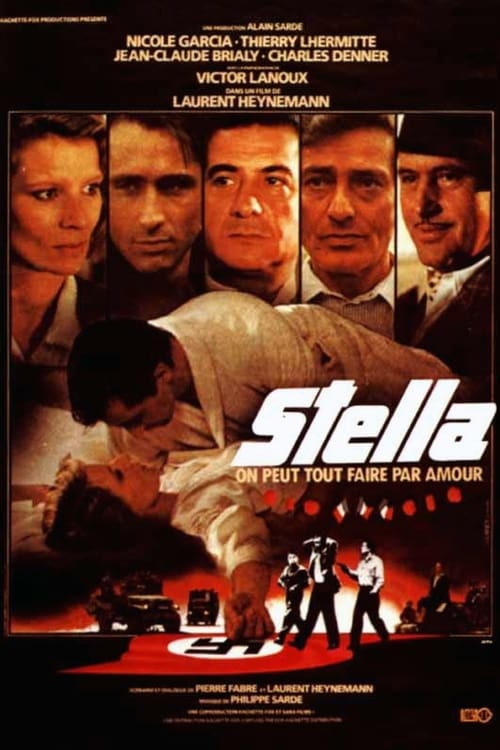
Stella
1983
No user ratings available yet
Representation score: 3.6 out of 10

Representation Score
Limited
2004
Director
Denys Granier-Deferre
Runtime
109 minutes
Average Rating
No ratings yetNew Showbiz Analysis
93, rue Lauriston is a historical drama that prioritizes moral ambiguity over diverse representation. Using the backdrop of the Nazi occupation, it examines how systemic oppression forces individuals into impossible ethical positions. The film succeeds in portraying the corruption of state power and the reality of ethnic persecution. However, the character dynamics remain traditional, with female roles serving primarily as catalysts for male moral development. While the film offers a meaningful critique of institutional reliability, it lacks representation for LGBTQ+ identities and disability.
Category Breakdown
The film does not include any LGBTQ+ characters or stories about non-assuming gender matches what was assigned at birth identities. Instead, it focuses on the tensions of wartime survival and political collaboration.
The story centers on a male protagonist facing a moral crisis. Odile Panzer drives the plot's stakes, but her role is framed through victimhood rather than independent ability to act.
The narrative engages with ethnic persecution by centering on the survival of a Jewish woman during the Nazi occupation. It depicts the systemic persecution of Jewish individuals.
The film critiques institutional integrity by portraying the French Gestapo as corrupt and predatory. It explores a landscape of subjective ethics and compromised national values.
There is no documented evidence regarding the inclusion of characters with physical or neurodivergent disabilities.
Present on Screen
Limited or Absent
Official Synopsis
93, rue Lauriston, in the 16th arrondissement de Paris, is an address of bleak memory. It was indeed the headquarter of the French Gestapo, which was active between 1941 and 1944 and was headed by Henri Lafont and Pierre Loutrel, two wanted criminals. On the day of 1940 he was demobilized, little did well-meaning Léon Jabinet know that he would be associated with such disreputable characters. And yet, some time later, Odile Panzer, the Jewish girl he has been hiding at his parents'place, is arrested by the Gestapo. On this occasion Léon is offered a deal for her release: collaborating with the Carlingue (another name for the French auxiliaries of the Nazi police) and Odile will be free. Or else... What should he do?
1983
1976

2022

2022
2003

2024

2016
1974
No reviews yet. Be the first to share your thoughts on this movie!
Use the rating form above to leave a star rating and optional review.