
Concerto for an Exile
1968
No user ratings available yet
Representation score: 6.0 out of 10
Representation Score
Good
2001
Director
Alain Gomis
Runtime
90 minutes
Average Rating
No ratings yetNew Showbiz Analysis
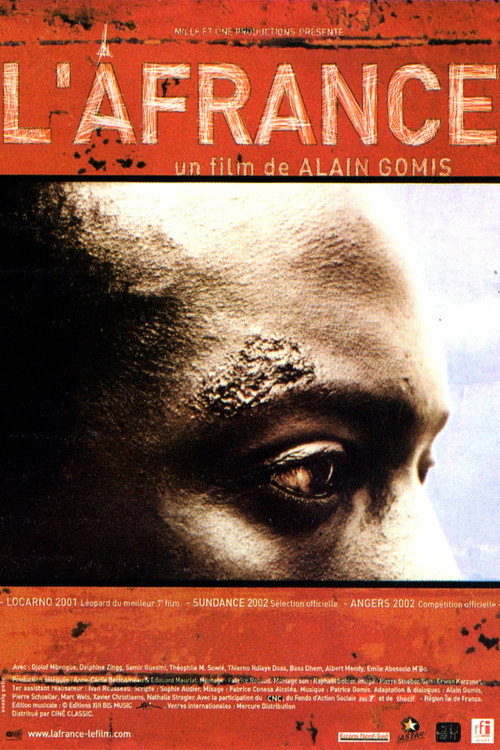
L'afrance is a thoughtful examination of the tension between individual ability to act and systemic institutional pressures. By focusing on a Senegalese student's struggle with residency, the film turns a bureaucratic issue into a profound exploration of identity and systemic inequities. The film successfully dismantles the perceived stability of Western societal structures, portraying them as volatile and exclusionary. It elevates the immigrant experience from a simple survival story to a sophisticated philosophical inquiry about belonging and geopolitical obligations. While the film excels in providing depth to racial and cultural themes, it remains focused primarily on the male protagonist's perspective, limiting its multi-layered breadth due to a lack of visible gender subversion or explicit LGBTQ+ identities.
Category Breakdown
The film features the protagonist's romantic relationship in Paris as a key plot point, but there is no indication of queer-coded subversion or non-straight identities.
The story focuses primarily on the male protagonist's internal struggles and vulnerability, offering limited insight into the roles and actions of female characters or challenging traditional gender hierarchies.
The narrative centers on a Senegalese student in Paris, highlighting the complexity of African identity in a European context and disrupting Western-centric views.
The film critiques Western institutions by showing French bureaucracy as an oppressive force, offering a nuanced look at the relationship between 'Third World' and 'First World' perspectives.
There is no depiction of physical or neurodivergent disabilities in the film.
Present on Screen
Limited or Absent
Official Synopsis
El Hadj is studying in Paris. He is one of the young Senegalese men who have come to Paris since the French colony became independent to get a good education so that he can serve his fatherland on his return. Unexpectedly he is suddenly confronted by a problem with his residence papers, just because he has arranged an extension too late. His pleasant life filled with good prospects has gone in one fell swoop. He faces a dilemma. He can stay illegally in France, the country where he feels at home, where he has his friends, has fallen in love and can drink water from the tap. Or he can return (without graduating) to the 3rd-world country of Senegal to use the knowledge he has acquired. It is not only a practical choice. It comes down to the question of who he is, who he thought he could be.
1968

1966
2002

1973
2011
2010
1999
2016
No reviews yet. Be the first to share your thoughts on this movie!
Use the rating form above to leave a star rating and optional review.