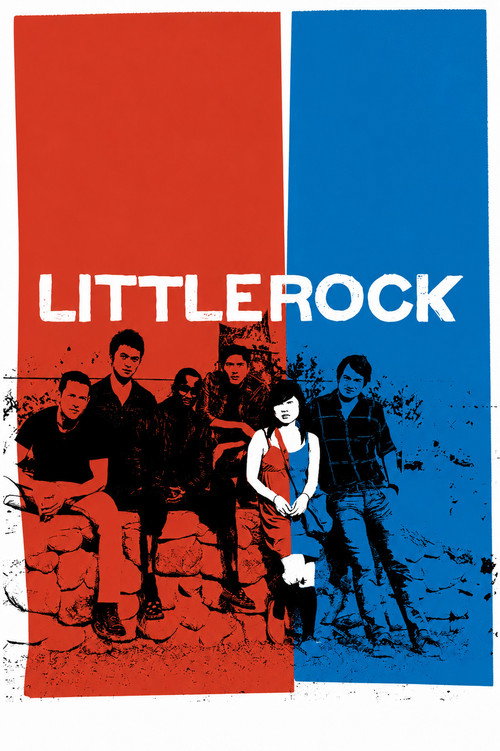
Littlerock
2010
No user ratings available yet
Representation score: 4.1 out of 10
Representation Score
Excellent
2021
Director
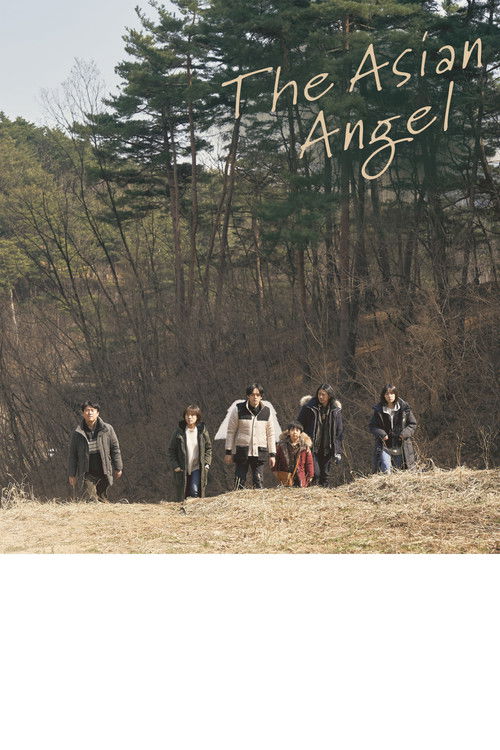
Yuya Ishii
Runtime
128 minutes
Average Rating
No ratings yetNew Showbiz Analysis
The Asian Angel succeeds as a nuanced piece of independent cinema by using a transnational narrative structure. By moving characters across borders and through linguistic barriers, the film challenges Anglo-centric storytelling and explores the fluidity of modern Asian existence. While the film excels in racial and ethnic diversity, it remains neutral regarding LGBTQ+ representation and disability. The narrative focuses more on the existential struggles of failing professionals than on specific identity-based politics. Ultimately, the film's strength lies in its subversion of traditional success-oriented hierarchies. It finds dignity in the margins, favoring human connection over institutional dogma.
Category Breakdown
The film explores themes of loneliness and transient connections but does not include explicit representations of non-straight or non-cisgender identities or romantic arcs.
The narrative centers around women's subjective experiences and their roles in driving the story. It avoids traditional gender clichés and instead focuses on women navigating challenging social and economic environments.
The film connects Japanese characters with a South Korean setting, creating a cross-cultural framework that challenges homogeneous casting and explores regional identity.
The story critiques meritocratic pressures by focusing on individuals on the margins of success. It emphasizes humanistic connections over traditional religious or institutional guidance.
There is no prominent depiction of visible or invisible disabilities. Characters are defined by their socioeconomic precarity rather than physical or neurodivergent traits.
Present on Screen
Limited or Absent
Official Synopsis
Aoki is a failing novelist, and Sol is a failing pop singer. Encountering each other in South Korea, speaking different languages, they and their families somehow end up in a truck heading off into the Korean countryside.
2010

2018
2017
2002

2023

2021
2020
2013
No reviews yet. Be the first to share your thoughts on this movie!
Use the rating form above to leave a star rating and optional review.