Dégradé
2016
No user ratings available yet
Representation score: 8.9 out of 10
Representation Score
Excellent
2012
Director
Yusuf Pirhasan
Runtime
106 minutes
Average Rating
No ratings yetNew Showbiz Analysis
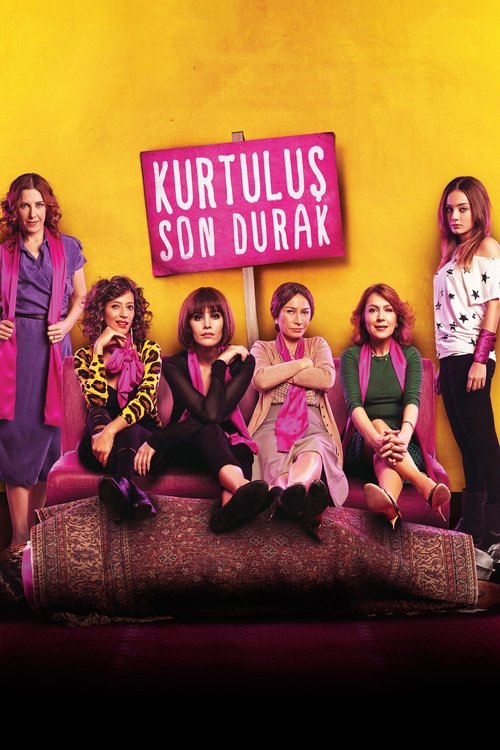
Last Stop: Kurtuluş excels as a piece of social commentary that centers on collective female resistance. By shifting the focus from individual melodrama to a communal struggle against systemic violence, the film successfully challenges traditional domestic clichés. The narrative's strength lies in its complex portrayal of women, moving them from the periphery to the center of the story. It effectively uses satire to challenge the stability of the traditional family unit. However, the film lacks explicit representation of LGBTQ+ identities and does not appear to prioritize multi-ethnic or diverse racial perspectives. The focus remains largely on gendered and class-based struggles within a specific cultural landscape.
Category Breakdown
The film focuses on female solidarity within a patriarchal framework. There is no explicit mention of non-straight relationships or same-sex intimacy in the narrative.
Women are presented as active agents of change rather than passive victims. The film uses diverse archetypes to break down monolithic views of femininity and showcase resilience.
The story operates within a specific Turkish cultural context. It emphasizes social stratification and class-based struggles rather than multi-ethnic or color-blind casting.
The narrative critiques traditional family units and the normalization of domestic violence. It uses dark comedy and satire to deconstruct established social and moral norms.
The presence of a bedridden father introduces themes of chronic illness. This highlights the systemic pressures and realities faced by those in caregiving roles.
Present on Screen
Limited or Absent
Official Synopsis
Meet Vartanus who has devoted her life to her bedridden father; Goncagul who realizes that her Mafioso lover will never marry her. Gulnur who's resigned herself to daily beatings as long as her husband doesn't touch the kids, Tulay who's shattered every time her mother gets beaten; hairdresser Fusun who tends to see things on the bright side. These are the women who transport Eylem, each other and perhaps every woman in the country to Last Stop: Kurtulus. The heroines adopt one unwavering principle: to oppose all forms of violence! A dark comedy that's rose-tinted, provocative and fantastic...
2016

2017

2009
2000

2009

2022

2019
2013
No reviews yet. Be the first to share your thoughts on this movie!
Use the rating form above to leave a star rating and optional review.