
Aziza
2019
No user ratings available yet
Representation score: 6.4 out of 10
Representation Score
Excellent
2016
Director
Tarzan Nasser, Arab Nasser
Runtime
85 minutes
Average Rating
No ratings yetNew Showbiz Analysis
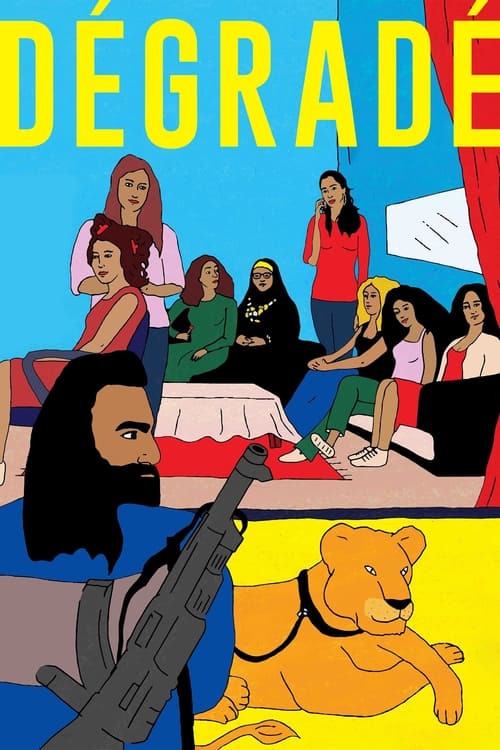
Dégradé shifts the cinematic focus from traditional geopolitical warfare to the internal lives of women. By isolating a group of female clients in a salon, the film prioritizes their psychological experiences over external masculine conflicts like Hamas and gangland violence. The film's strength lies in its refusal to treat its characters as monolithic. Instead, it presents a nuanced intersection of local identities, providing significant roles to characters within their specific cultural and ethnic contexts. While the film excels in gender and cultural representation, it remains somewhat limited in explicit LGBTQ+ visibility and clear disability ability to act, functioning primarily as a study of personal resilience against systemic instability.
Category Breakdown
The film doesn't explicitly confirm any LGBTQ+ identities, but the beauty salon serves as a sanctuary, offering a temporary respite from the surrounding patriarchal and religious oversight.
The film centers on women's intellect and emotional resilience, making them the active subjects of the drama rather than passive victims of external male-driven political violence.
The story explores identity through a non-Western lens, avoiding monolithic stereotypes by presenting a complex tapestry of specific, localized identities within the Gaza Strip.
The film critiques systemic institutions like religious governance and organized crime, using the 'liberation of the lion' as a metaphor for the destabilizing nature of political upheaval and institutional power.
The inclusion of a pill-popping addict highlights the invisible vulnerabilities of the human condition during high-stress environments, suggesting an exploration of mental health and dependency.
Present on Screen
Limited or Absent
Official Synopsis
A hot summer's day in the Gaza Strip. Today the electricity is on. Christine’s beauty salon is heaving with female clients: a bride-to-be, a pregnant woman, a bitter divorcée, a devout woman and a pill-popping addict. But their day of leisure is disrupted when gunfire breaks out across the street. A gangland family has stolen the lion from Gaza’s only zoo, and Hamas has decided it’s time to settle old scores. Stuck in the salon, with the prospect of death drawing ever nearer, the women start to unravel. How will the day end? Will they lose their lives for the sake of “liberating the lion”?
2019

2020
2017
2018
2012
2016
2012
2009
No reviews yet. Be the first to share your thoughts on this movie!
Use the rating form above to leave a star rating and optional review.