
Fliegende Fische müssen ins Meer
2011
No user ratings available yet
Representation score: 5.7 out of 10
Representation Score
Fair
2013
Not RatedDirector
Rusudan Chkonia
Runtime
91 minutes
Average Rating
No ratings yetNew Showbiz Analysis
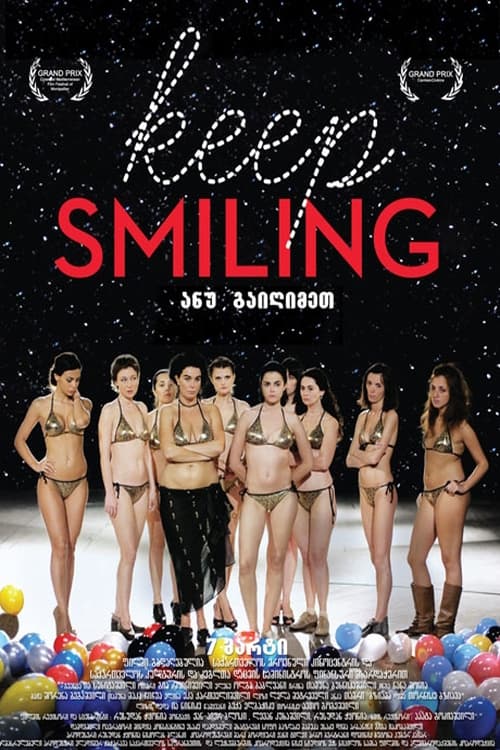
Keep Smiling is a character-driven study that disrupts traditional comedic clichés by centering the struggles of impoverished women. By using a beauty contest as a vehicle for socio-economic critique, the film shifts the focus from aesthetic perfection to maternal ability to act and survival. The narrative structure effectively highlights the intersection of gender and economic exclusion. It challenges conventional social structures by portraying the desperate pursuit of housing and capital as a response to systemic scarcity. However, the film's scope appears narrow regarding other identity markers. There is no evidence of LGBTQ+ representation or disability inclusion, leaving those dimensions of diversity unaddressed.
Category Breakdown
The film does not provide evidence of LGBTQ+ characters or identities outside of heterosexual norms. It focuses on the experiences of women in a specific maternal context.
The film centers on ten women, giving them significant roles in driving the story. It redefines femininity through resilience and economic necessity rather than mere decoration.
While specific ethnic breakdowns are not confirmed, the focus on the poorest populations suggests an intersection with class-based regional identities. This avoids homogeneous, affluent depictions of success.
The film critiques systemic failures and social safety nets. It portrays the pursuit of wealth as a desperate response to deprivation rather than a traditional aspiration.
There is no specific evidence to suggest the inclusion of characters with visible or invisible disabilities within the provided context.
Present on Screen
Limited or Absent
Official Synopsis
10 women, seven of them belonging to the poorest population, are desperately trying to win a beauty contest for mothers who have more than 3 children. The winner will get an apartment and $25000
2011

2017

2012

2019

2016

2008

2019

2019
No reviews yet. Be the first to share your thoughts on this movie!
Use the rating form above to leave a star rating and optional review.