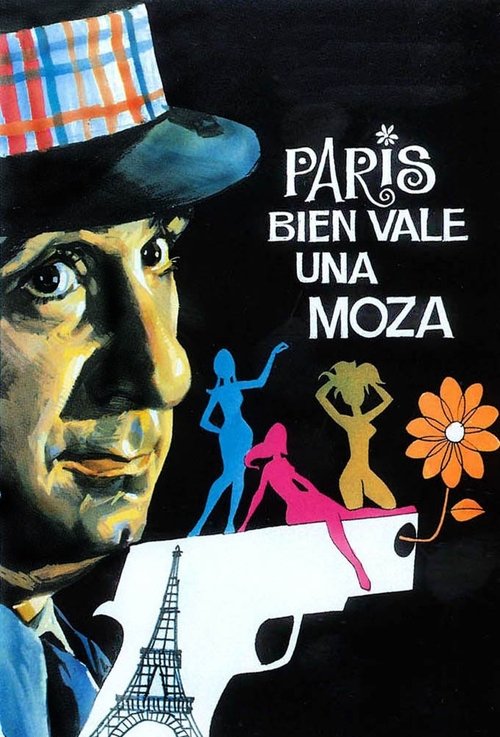
París bien vale una moza
1972
No user ratings available yet
Representation score: 1.4 out of 10
Representation Score
Minimal
1976
Director
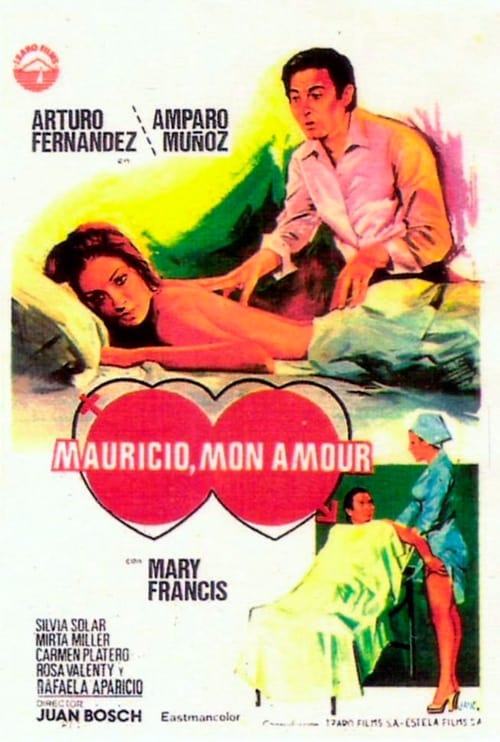
Juan Bosch
Average Rating
No ratings yetNew Showbiz Analysis
Mauricio, mon amour is a product of its specific historical and cinematic context. It relies heavily on the traditional social hierarchies and comedic patterns prevalent in mid-1970s Spanish cinema. The film lacks complexity in representing diverse identities, focusing instead on a culturally homogeneous environment. While women are featured prominently, the narrative structure reinforces rather than challenges the gender norms of the era. Overall, the film serves as a typical domestic comedy of its time, without significantly disrupting the established cultural or social norms.
Category Breakdown
The film does not include any characters with non-binary or LGBTQ+ identities. It follows the typical social norms of the 1970s, without critiquing the assumption that everyone is straight or cisgender.
The film features several prominent female actors, but the plot primarily revolves around male characters and traditional gender roles common during that time period.
The cast is predominantly white, reflecting the demographics of mid-1970s European society. There is no indication of a diverse cast or intentional use of actors from different racial backgrounds.
The film adheres to the cultural norms of its time, focusing on conventional comedic themes without questioning established religious or cultural traditions.
There are no documented instances of characters with visible or invisible disabilities serving as central narrative drivers or plot devices.
Present on Screen
Limited or Absent
1972

1971
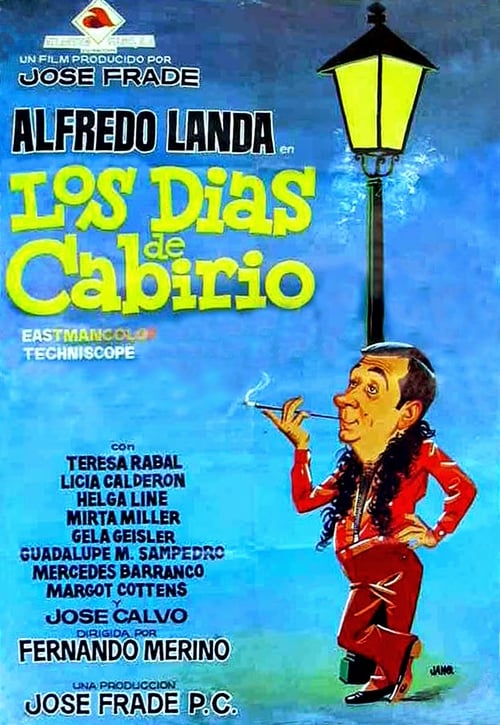
1971
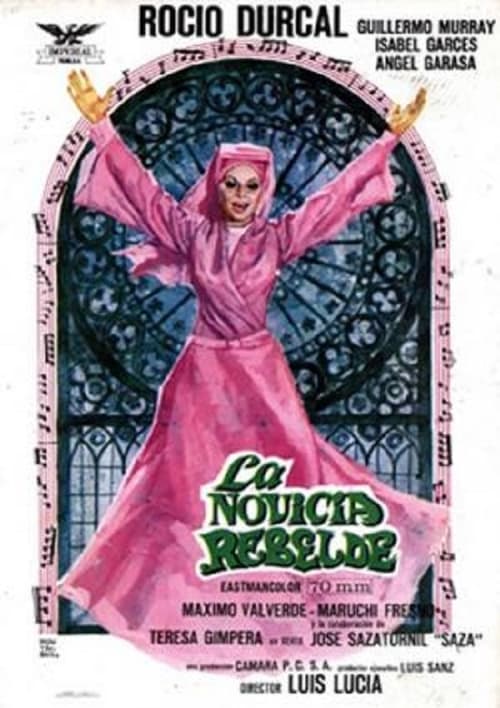
1971
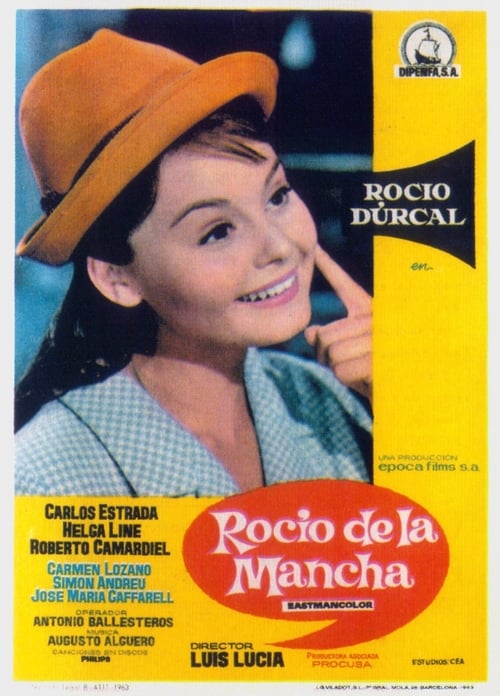
1963
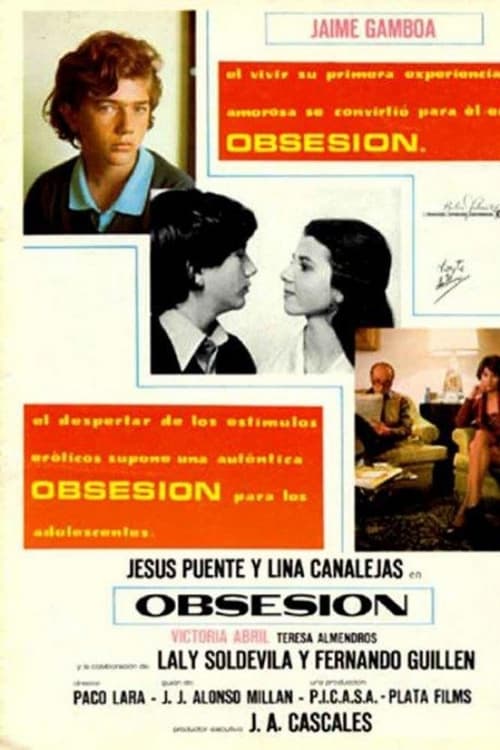
1975
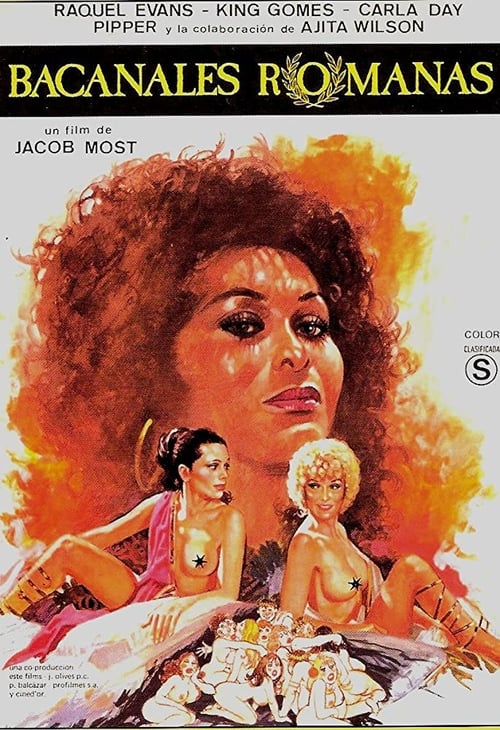
1982
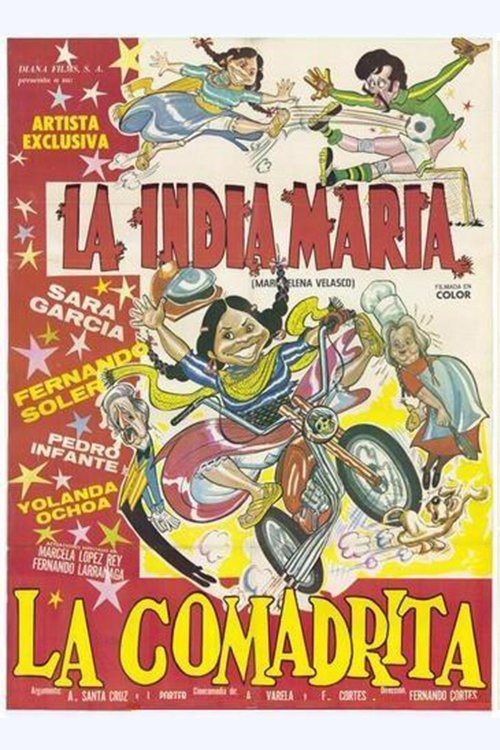
1978
No reviews yet. Be the first to share your thoughts on this movie!
Use the rating form above to leave a star rating and optional review.