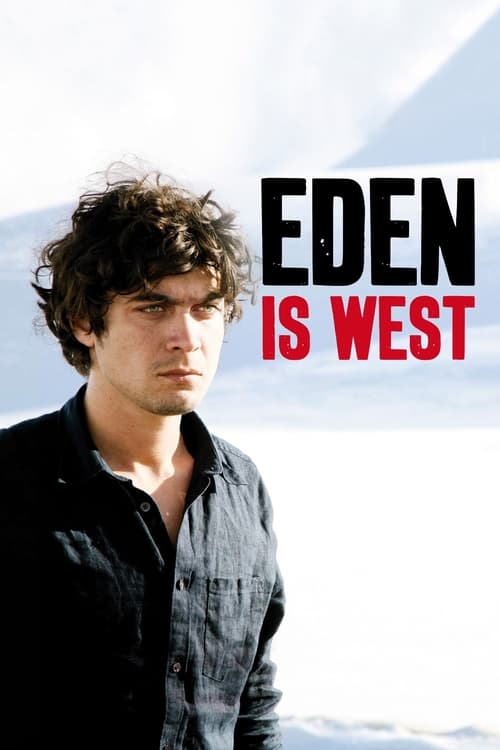
Eden Is West
2009
No user ratings available yet
Representation score: 9.3 out of 10

Representation Score
Fair
2003
Director
Damjan Kozole
Runtime
87 minutes
Average Rating
No ratings yetNew Showbiz Analysis
Spare Parts is a gritty work of social realism that prioritizes geopolitical critique over diverse character archetypes. It succeeds in highlighting the plight of migrants and the failures of Western borders, providing significant cultural commentary. However, the film is heavily limited by its hyper-masculine focus. The absence of women's ability to drive the story and LGBTQ+ representation creates a narrow social lens that concentrates almost entirely on male survivalist bonds. Ultimately, the film trades traditional demographic diversity for a deep, systemic exploration of how post-conflict environments impact human morality and social function.
Category Breakdown
The film focuses primarily on heterosexual or non-gendered male dynamics, with no clear presence of LGBTQ+ characters or narratives that challenge the assumption that everyone is straight or cisgender.
The movie emphasizes a hyper-masculine environment, centered around male characters engaged in aggressive and physically demanding activities. Female characters with significant roles are absent, leading to a narrow, male-focused perspective.
The film highlights the movement of non-white/non-local individuals through its depiction of illegal refugees. While the protagonists are ethnically Slovene/Balkan, the refugees offer a vital representation of the underrepresented 'other'.
The story provides a profound critique of Western institutional stability and capitalist structures. It frames the border between Slovenia and Italy as a site of human exploitation and moral relativism.
There is no explicit focus on visible or invisible disabilities. However, the film explores a systemic psychological trauma and aimlessness caused by living in the wake of regional conflict.
Present on Screen
Limited or Absent
Official Synopsis
Embittered widower, Ludvik, spends his nights transporting illegal refugees in his van from Croatia, across Slovenia, and into Italy. The young and inexperienced Rudi acts as his helpmate. Together they become a well-trained duo who almost every night convey "spare parts" to Italy. Of course the story of their illegitimate exports into Europe ends tragically, for everyone. The whole idea of this account is that everyone - including ourselves - is looking for happiness: the "spare parts" because of the misery they are plunged into without, and our characters because they can't find it inside
2009
2009

1998

2020
2010

2013
2003
2008
No reviews yet. Be the first to share your thoughts on this movie!
Use the rating form above to leave a star rating and optional review.