The White Ship
1976
No user ratings available yet
Representation score: 4.0 out of 10
Representation Score
Fair
1992
Director
Gaston Kaboré
Runtime
62 minutes
Average Rating
No ratings yetNew Showbiz Analysis
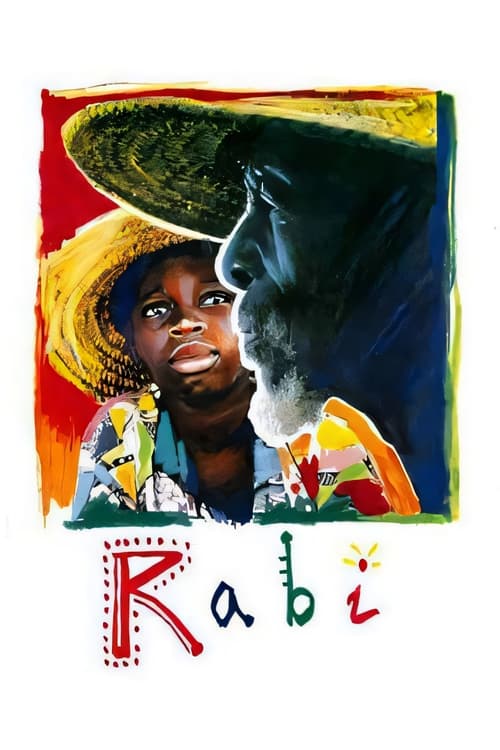
Rabi is a significant work of post-colonial cinema that succeeds by de-centering Western narrative hierarchies. Its primary strength lies in its authentic portrayal of West African social structures and indigenous wisdom. While the film lacks explicit LGBTQ+ representation or diverse gender roles, it provides a profound critique of how modern urbanization can erode traditional connections to nature. The film's commitment to regional authenticity makes it a vital piece of cultural storytelling. Ultimately, the film's value comes from its refusal to exoticize its subjects, instead presenting a deeply rooted, local perspective on life and responsibility.
Category Breakdown
The film focuses on a traditional family structure involving a child, father, and grandfather. There are no LGBTQ+ characters or non-straight relationships in the narrative.
The story centers on male figures, reflecting a specific social setting. While it avoids aggressive masculinity through Pusga's gentle mentorship, there is a lack of women's ability to drive the story in the central plot.
The film excels by using an all-Black cast and focusing on West African lived experiences. It successfully disrupts the 'white gaze' by presenting a non-Western worldview as the primary reality.
The narrative offers a sophisticated critique of modernization and the erosion of traditional structures. It positions ancestral wisdom and nature as vital counterpoints to rapid, Westernized urbanization.
There are no prominent depictions of physical or neurodivergent disabilities. The narrative focus remains on the protagonist's psychological and developmental journey.
Present on Screen
Limited or Absent
Official Synopsis
A blacksmith falls off his bicycle when he tries to avoid a tortoise which crosses his path. He brings the animal home to his twelve year old son, Rabi, who becomes so fascinated that he forgets his chores at this father's shop. When the angry smith removes the tortoise, Rabi's grandfather, Pusga, helps Rabi find a larger one to consol the boy. Rabi wants to tame the animal and this new obsession leads him to defy parental authority. Pusga gently opens the boy's eyes to the visible and invisible ways of nature. Rabi starts to understand liberty, responsibility and respect for life. In turn he awakens long buried sentiments in the grandfather.
1976
2002
2010
2004
2021
1946
2004
2015
No reviews yet. Be the first to share your thoughts on this movie!
Use the rating form above to leave a star rating and optional review.