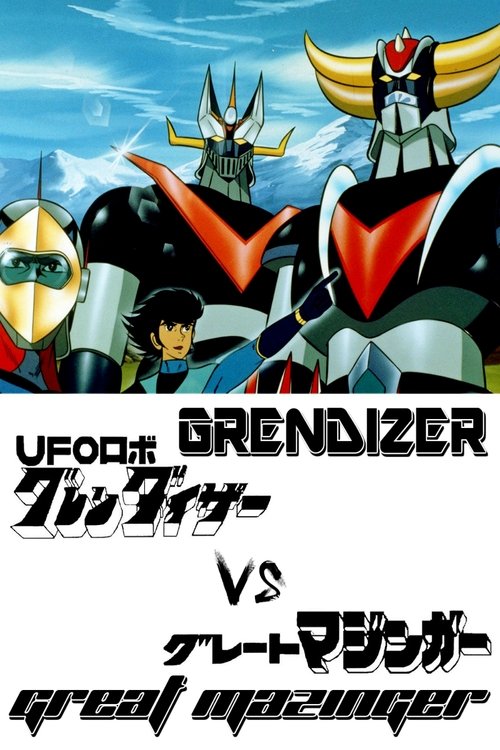
UFO Robot Grendizer vs. Great Mazinger
1976
No user ratings available yet
Representation score: 1.8 out of 10
Representation Score
Limited
1975
Director
Masayuki Akehi
Runtime
30 minutes
Average Rating
No ratings yetNew Showbiz Analysis
This 1975 mecha classic prioritizes kinetic action and technological heroism over social complexity. The narrative is built upon traditional genre clichés that emphasize combat mechanics and national defense. The film reinforces conventional expectations of heroism rather than challenging them. It functions as a standard period piece, lacking intentional efforts to incorporate diverse identities or disrupt established social hierarchies. Ultimately, the work serves as a quintessential example of its era, focusing on the synergy between iconic robots rather than nuanced character diversity.
Category Breakdown
The film follows traditional mid-century animation frameworks, focusing on mechanical and tactical synergy rather than non-assuming gender matches what was assigned at birth gender identities or same-sex intimacy.
The narrative operates within a masculine-coded framework typical of 1970s science fiction, emphasizing physical strength and combat competence.
Set in Japan, the film features a predominantly homogeneous cast of Japanese protagonists. The alien menace serves as an external 'other' within a science fiction combat context.
The story adheres to standard adventure clichés without critiquing Western institutions or religion. It prioritizes national defense and patriotism over anti-establishment or anti-capitalist themes.
The focus remains on the physical integrity of the machines. There is no evidence of characters with visible or invisible disabilities being portrayed with significant roles.
Present on Screen
Limited or Absent
Official Synopsis
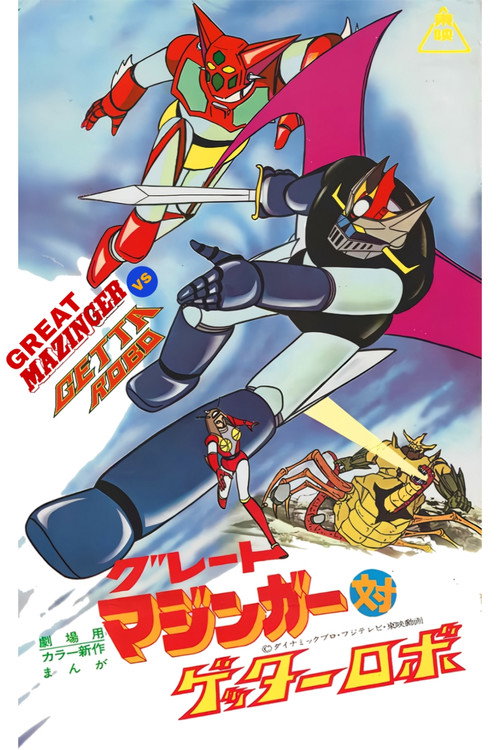
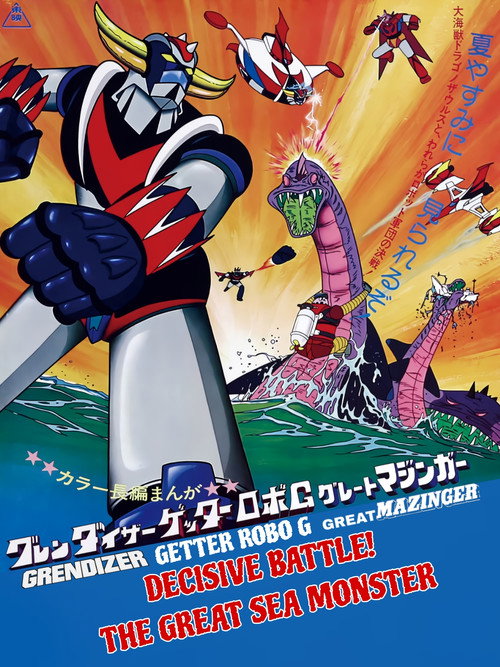
When an UFO delivers a metal-eating monster to the heart of Japan, Getter Robo and Mazinger Z are launched to combat the alien menace. Fighting individually, the space monster's metal-eating and acid-spitting abilities prove too much for Japan's super robot forces - only their combined might stands a chance against defeating it! But with Mazinger Z damaged, can Getter Robo defend against the monster long enough for its comrade to be repaired? And even with forces combined, can they defeat the monster before all of Japan is destroyed?
1976
1964
1975
1977

2019
1976
1973
1974
No reviews yet. Be the first to share your thoughts on this movie!
Use the rating form above to leave a star rating and optional review.