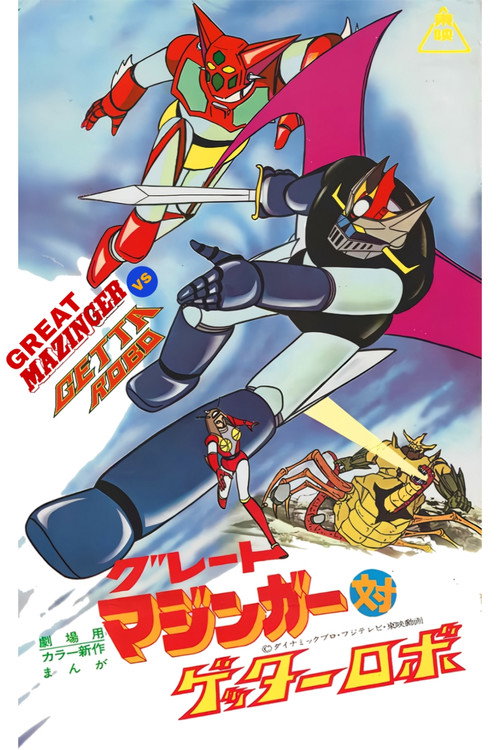
Great Mazinger vs. Getter Robo
1975
No user ratings available yet
Representation score: 3.7 out of 10
Representation Score
Limited
1976
Director
Masayuki Akehi
Runtime
31 minutes
Average Rating
No ratings yetNew Showbiz Analysis
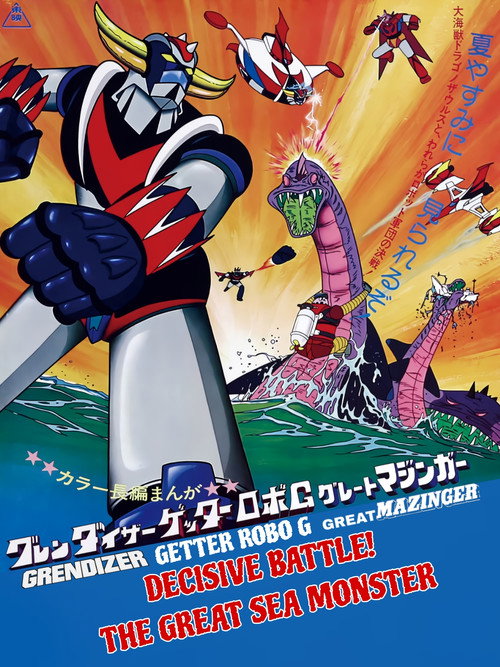
This 1976 crossover is a quintessential product of the Super Robot genre, prioritizing high-stakes action and the defense of urban centers. The narrative structure follows a conventional hero-versus-monster trajectory, focusing on the physical confrontation between the protagonists and Dragonsaurus. Adhering to the era's genre clichés, the film lacks the complexity found in modern media regarding social and identity-based issues. The focus remains strictly on mechanical combat and the preservation of the status quo. Ultimately, the film upholds a traditional defense of the domestic sphere, using a straightforward morality of heroism against a monstrous threat.
Category Breakdown
The film does not include any LGBTQ+ characters or narratives. The story focuses entirely on the mechanical combat between the robot pilots and the sea monster Dragonsaurus.
The male pilots of the titular giant robots play a central role in the story. The plot follows a traditional masculine-coded heroic framework without challenging typical gender roles.
The narrative centers on the defense of Tokyo with a homogeneous group of defenders, reflecting the demographic norms of 1970s Japanese animation.
The film reinforces traditional heroism through the protection of Tokyo and the established social order. It lacks subjective morality or critiques of institutions.
The film does not explore neurodivergence or physical disabilities. Characters are defined by their technical competence and ability to pilot complex machinery.
Present on Screen
Limited or Absent
Official Synopsis
A giant sea monster known as Dragonsaurus has emerged from out of nowhere, terrorizing the depths of the oceans. Great Mazinger, Grendizer and the Getter Robo G team join forces to combat the new threat. But their task becomes more complicated when Dragonsaurus swallows up Boss Borot and makes its way towards Tokyo. Source: ANN
1975
1964
1975
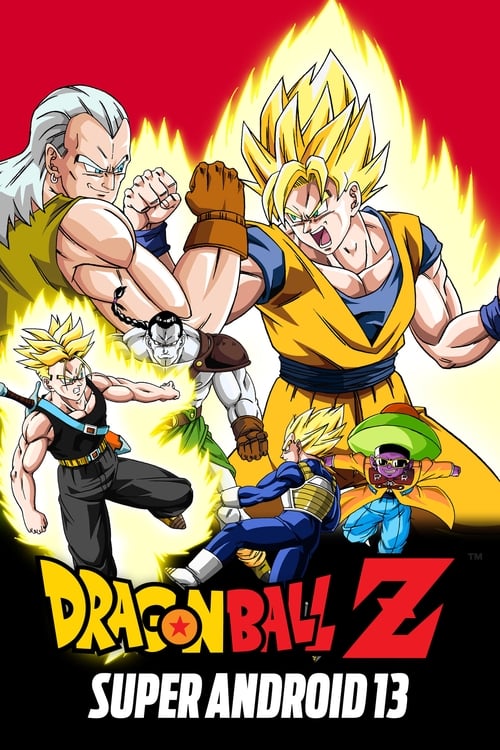
1992
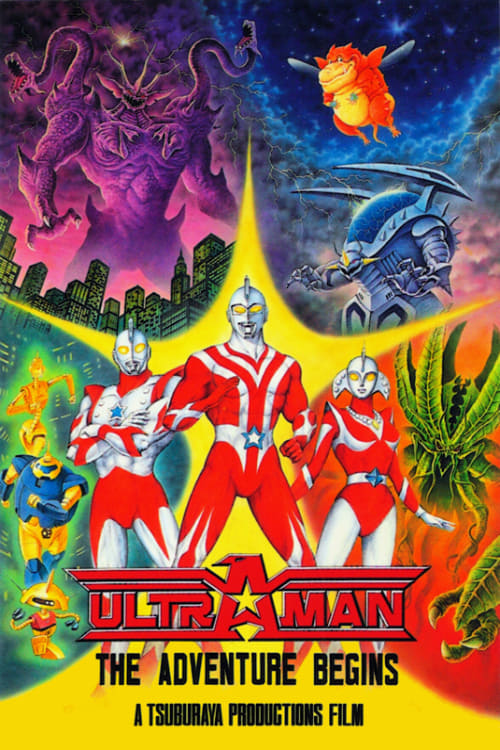
1989
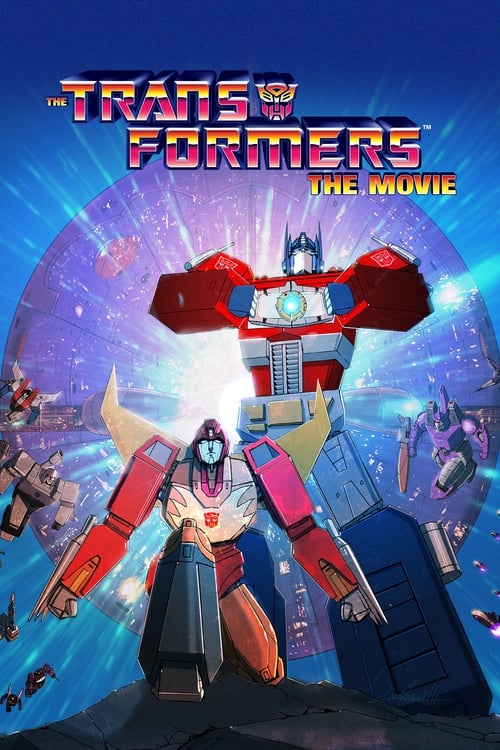
1986
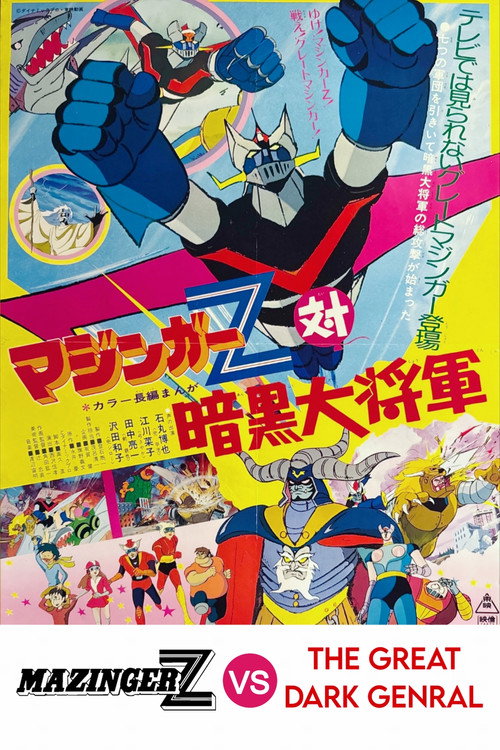
1974
2018
No reviews yet. Be the first to share your thoughts on this movie!
Use the rating form above to leave a star rating and optional review.