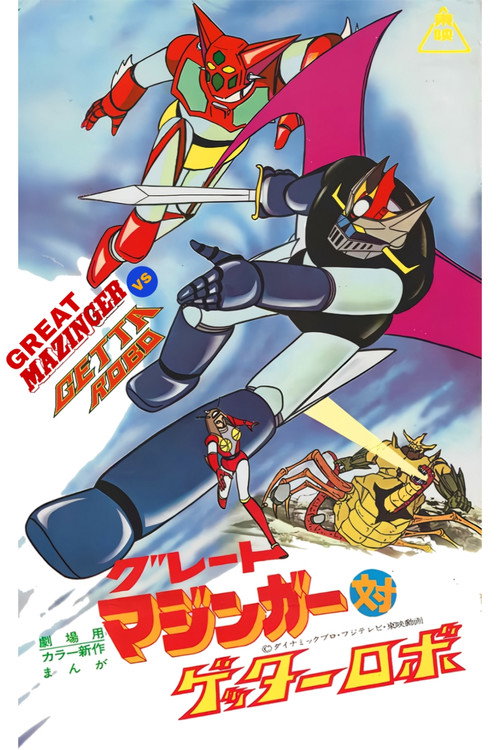
Great Mazinger vs. Getter Robo
1975
No user ratings available yet
Representation score: 3.7 out of 10
Representation Score
Minimal
1976
Director
Osamu Kasai
Runtime
24 minutes
Average Rating
No ratings yetNew Showbiz Analysis
This 1976 crossover film is a classic example of the Super Robot genre, emphasizing heroic archetypes and the preservation of the status quo. The narrative operates through a strict binary between Earth's defenders and the invading Vegan Empire. Representation is constrained by the era's conventions, focusing on male protagonists who drive the plot through technological mastery and combat. The film upholds traditional social hierarchies without challenging them through diverse perspectives or systemic critique. Overall, the film serves as a traditional piece of genre fiction, emphasizing duty and the defense of civilization, but lacking in multi-layered complexity or progressive representation.
Category Breakdown
The film does not include any characters or themes related to LGBTQ+ identities. The focus is on traditional relationships and roles.
Male characters like Duke Fleed and Tetsuya Tsurugi take center stage, while female characters play supporting roles that reinforce traditional gender roles from the 1970s.
The story primarily features Japanese characters and settings, reflecting the era's typical approach to domestic genre fiction without much diversity.
The narrative emphasizes defending Earth's existing institutions against an external threat, reinforcing traditional values and the preservation of the current world order.
Characters are portrayed as physically capable for combat, with no focus on neurodivergence, physical disabilities, or chronic illnesses.
Present on Screen
Limited or Absent
Official Synopsis
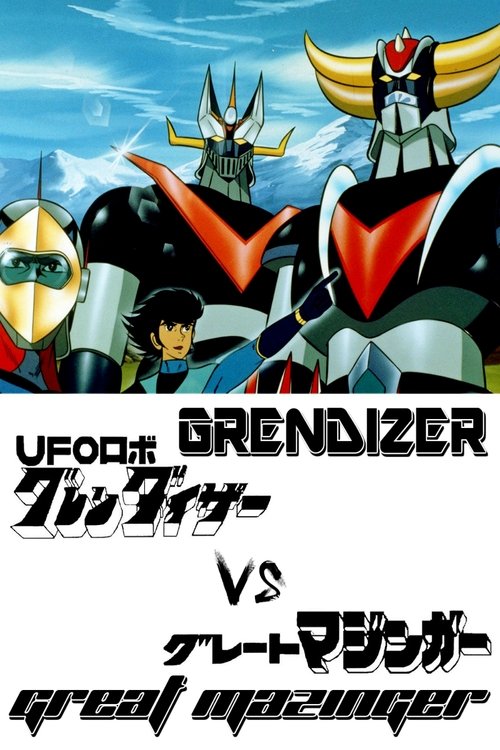
Alien invaders take over Great Mazinger who is at the entrance of a museum next to Mazinger Z as symbols of peace. Grendizer fights the evil invaders and Great Mazinger is recovered. When the Vegan empire dispatches a new general to oversee the takeover of Earth, he quickly manages to capture Koji Kabuto and, learning of Great Mazinger through interrogation, quickly commandeers it from a museum where it was kept as a symbol of peace. It is now up to Duke Fleed aboard Grendizer to stop humanity's former defender from becoming its destroyer.
1975

1992

2019
1991
1975
1977
2017
1973
No reviews yet. Be the first to share your thoughts on this movie!
Use the rating form above to leave a star rating and optional review.