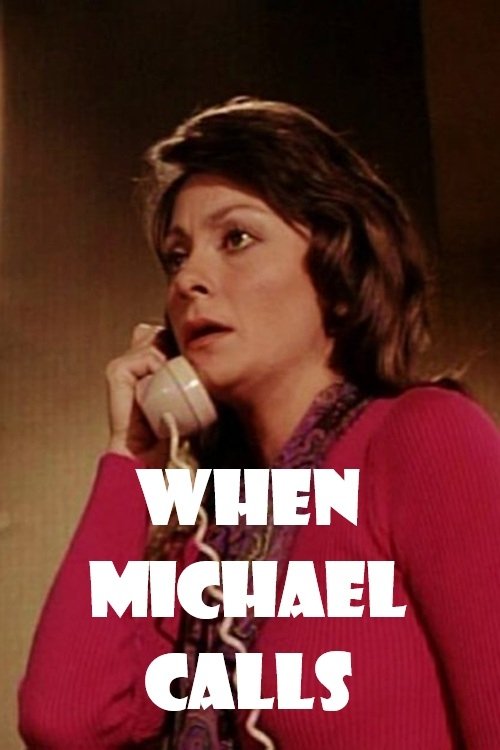
When Michael Calls
1972
No user ratings available yet
Representation score: 0.4 out of 10
Representation Score
Minimal
1993
RDirector
Fred Walton
Runtime
94 minutes
Average Rating
No ratings yetNew Showbiz Analysis
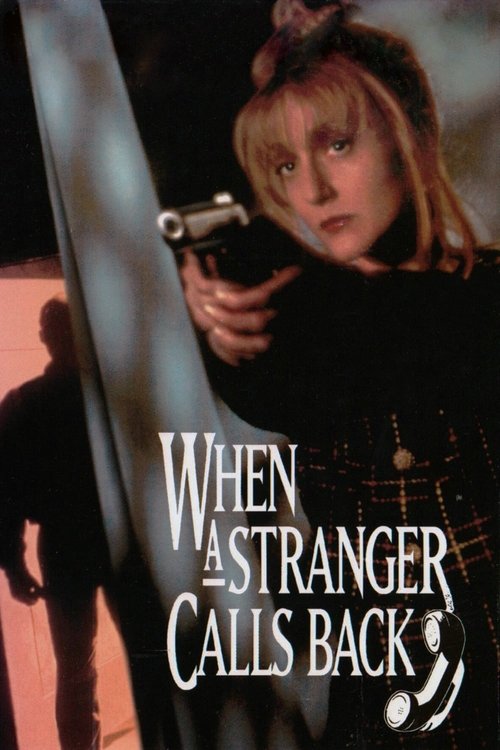
This 1993 thriller follows conventional slasher movie clichés, prioritizing genre clichés over social commentary. It relies on the 'final girl' archetype to create suspense within a traditional suburban setting. The film upholds existing social hierarchies rather than challenging them. With a homogeneous cast and straight-centered dynamics, it maintains a narrow, traditional perspective typical of mid-budget television movies from this period. Ultimately, the production lacks intentionality regarding diverse representation. It favors a streamlined narrative that centers on visceral survival rather than subversive or varied perspectives.
Category Breakdown
The film does not feature any LGBTQ+ characters. Relationships and interactions are exclusively heterosexual, without engaging with queer themes or identities.
The story revolves around a female protagonist, but her role is mainly reactive. She is defined primarily as a target within a traditional gender hierarchy.
The cast is predominantly white, reflecting the era's suburban thriller casting. Characters of color with significant narrative roles are notably absent.
The story emphasizes the protection of the traditional family unit and domestic sphere. It avoids any critique of Western institutions or moral relativism.
There are no prominent depictions of physical or neurodivergent disabilities. Characters with disabilities are not central to the narrative.
Present on Screen
Limited or Absent
Official Synopsis
Jill Johnson, now a crisis center counselor, reunites with retired detective John Clifford to hunt a killer stalking a coed.
1972
1979
1974

1974

1977
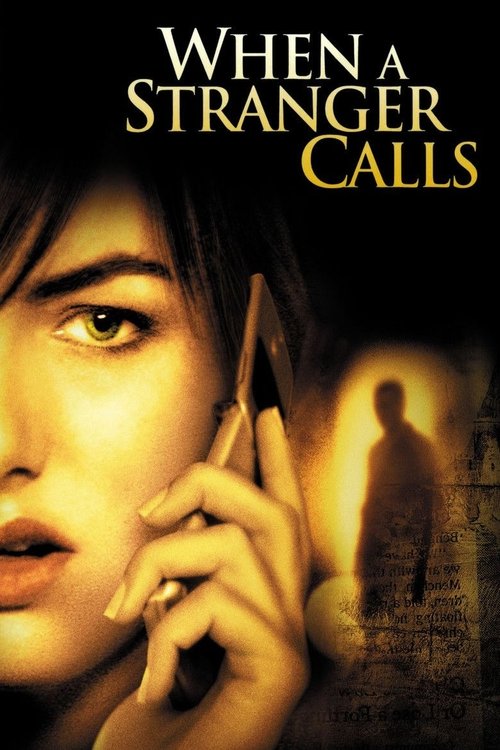
2006

1997

1990
No reviews yet. Be the first to share your thoughts on this movie!
Use the rating form above to leave a star rating and optional review.