
Baober in Love
2004
No user ratings available yet
Representation score: 6.8 out of 10
Representation Score
Fair
1996
Not RatedDirector
Mohsen Makhmalbaf
Runtime
72 minutes
Average Rating
No ratings yetNew Showbiz Analysis
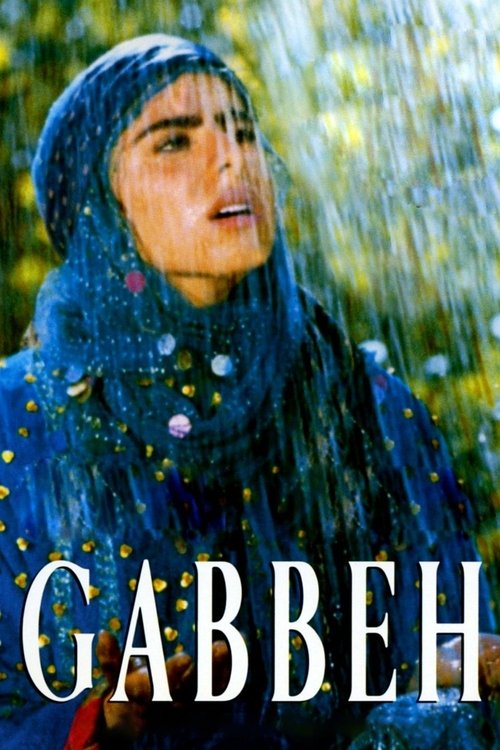
Mohsen Makhmalbaf’s *Gabbeh* is a poetic departure from Western linear storytelling, opting for a rhythmic, fable-like structure. The film excels in its commitment to ethnic authenticity and cultural ability to act, presenting a world where history is tied to tactile traditions rather than industrial clichés. While the film provides a sophisticated critique of modernity and elevates female creative labor, it remains limited in its scope of identity. The narrative adheres to traditional social structures and lacks representation for LGBTQ+ identities or characters with disabilities. Ultimately, the film's strength lies in its ability to disrupt Western-centric narrative expectations. It reclaims indigenous perspectives by centering a nomadic way of life that stands in quiet opposition to globalized commercial standards.
Category Breakdown
The film does not include any LGBTQ+ characters or narratives. Romantic elements are confined to traditional courtship depicted within the rug's imagery.
The narrative centers the female experience through artistry and craftsmanship. The young woman serves as a crucial link between the physical rug and its preserved history.
The film excels in authentic ethnic representation by setting the story in nomadic tribal life. It celebrates a non-Western identity through a richly detailed, culturally specific environment.
The story critiques modernity by focusing on a pre-industrial, pastoral existence. It prioritizes localized traditions over Westernized ideas of progress and capitalist growth.
There is no evidence of characters with visible or invisible disabilities being used as central plot devices.
Present on Screen
Limited or Absent
Official Synopsis
An elderly couple go about their routine of cleaning their gabbeh, while bickering gently with each other. Magically, a young woman appears, helping the two clean the rug. This young woman belongs to the clan whose history is depicted in the design of the gabbeh, and the rug recounts the story of the courtship of the young woman by a stranger from the clan.
2004

2012

2019
1965

2001

2004

1985

2005
No reviews yet. Be the first to share your thoughts on this movie!
Use the rating form above to leave a star rating and optional review.