
Don't Die Without Telling Me Where You're Going
1995
No user ratings available yet
Representation score: 5.2 out of 10
Representation Score
Fair
1992
Director
Mohsen Makhmalbaf
Runtime
92 minutes
Average Rating
No ratings yetNew Showbiz Analysis
Mohsen Makhmalbaf’s work prioritizes intellectual and cultural deconstruction over demographic representation. The film succeeds as a postmodern critique of historical authority, using the 'magic' of cinema to challenge established power structures. While the film excels in its cultural specificity and rejection of Western cinematic norms, it lacks explicit representation for LGBTQ+ and disability narratives. The focus remains on reclaiming Iranian cultural identity. Ultimately, the film is a systematic challenge to official history, trading traditional demographic diversity for a deep, localized reclamation of Iranian cultural identity.
Category Breakdown
The film centers on the relationship between the filmmaker and Naser al-Din Shah, with no clear indication of queer themes or non-traditional gender identities.
The historical sequences highlight the dominance of the Shah, while the character Atieh provides a conceptual anchor. However, the film does not explicitly challenge traditional gender roles.
The film offers a localized exploration of Iranian identity, resisting Western-centric views by focusing on the history of Iranian cinema and the Qajar dynasty.
The film effectively critiques traditional power structures and monarchical stability. It uses postmodern techniques to question how history and institutional truths are constructed.
There is no clear depiction of physical or neurodivergent disabilities in the film.
Present on Screen
Limited or Absent
Official Synopsis
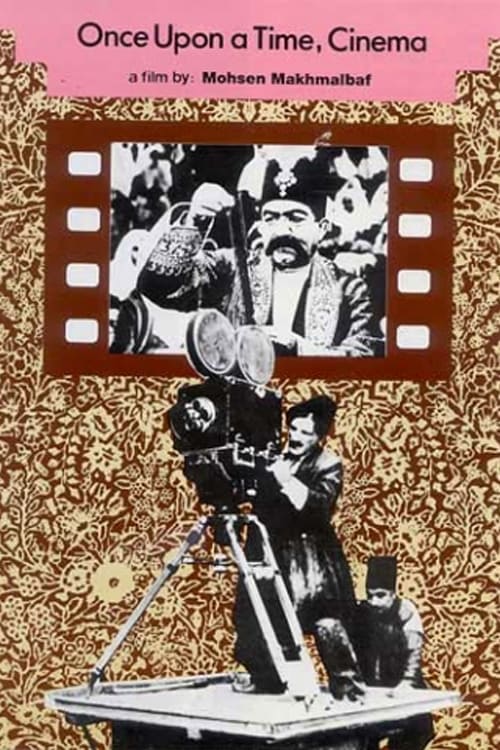
The film follows a character known as The Cinematographer, who is looking for someone called Atieh (Future). As he calls out to her, he is magically transported back in time from the early twentieth century to the reign of Naser al-Din Shah in 19th century Iran. Captured by the Shah's guards, he shows films from the history of Iranian cinema to the Shah. The Shah is entranced and eagerly shows his family the apparently magical medium.
1995

2002
1996
1966
1998
1980
2020
2001
No reviews yet. Be the first to share your thoughts on this movie!
Use the rating form above to leave a star rating and optional review.