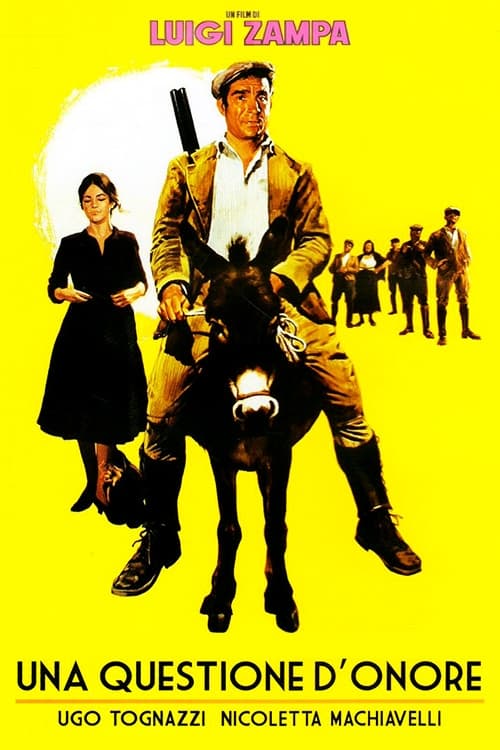
A Matter of Honor
1966
No user ratings available yet
Representation score: 0.6 out of 10

Representation Score
Fair
1975
Director
Alberto Bevilacqua
Runtime
100 minutes
Average Rating
No ratings yetNew Showbiz Analysis
The film primarily serves as a biting social critique rather than showcasing diverse demographics. It challenges traditional masculine authority and satirizes fascist political structures. Though the film does not include a wide range of identities or backgrounds, it successfully disrupts established power dynamics. The narrative structure critiques social orders rather than reinforcing them. Ultimately, the work explores systemic oppression and the vulnerability of the domestic unit when confronted with authoritarian madness.
Category Breakdown
The story centers around a traditional nuclear family facing challenges. There are no explicit LGBTQ+ characters or identities that go beyond straight relationships.
The film shifts traditional power dynamics by showing the male protagonist as ineffective. Giulia's role as a central driver of the conflict displaces the traditional male head of household.
The production reflects its Italian setting with a focus on European social dynamics. While Eli Wallach adds a cosmopolitan touch, there is no indication of a non-white majority cast.
Satire is used to criticize authoritarianism and fascist political structures. The story highlights how oppressive systems can dismantle individuals and disrupt the home.
There are no visible or invisible disabilities that play a key role in the character arcs or the plot development.
Present on Screen
Limited or Absent
Official Synopsis
Biting, sadistic satire punctuates this dark comedy about a feckless musician named Marcello Ferrari (Nino Manfredi) whose wife Giulia (Mariangela Melato) and kids are stolen away by the domineering, fascist madman Cesare (Eli Wallach).
1966

1975
1979

1964
1986
1956

1974
1953
No reviews yet. Be the first to share your thoughts on this movie!
Use the rating form above to leave a star rating and optional review.