It Runs in the Family
2003
No user ratings available yet
Representation score: 1.1 out of 10
Representation Score
Minimal
2003
TV-MADirector
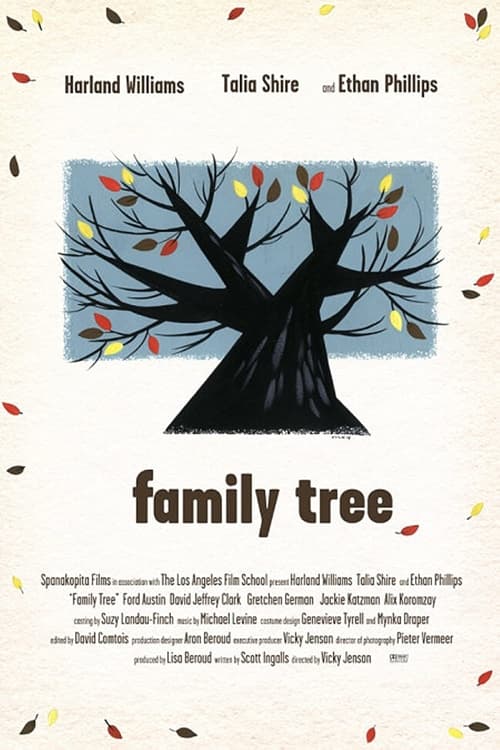
Vicky Jenson
Runtime
36 minutes
Average Rating
No ratings yetNew Showbiz Analysis
Family Tree uses magical realism to explore domestic conflicts during a traditional holiday. The central plot involves a long-lost brother-in-law with unusual biological traits, disrupting the stability of the family unit. While the film's premise offers a platform for challenging traditional family structures, the lack of specific character details makes a detailed analysis of identity difficult. The narrative focuses more on surrealism than on documenting diverse social representation. Ultimately, the film's exploration is limited by its reliance on a fantastical plot device rather than a study of diverse identities.
Category Breakdown
The film does not include any explicit references to LGBTQ+ identities or queer narratives.
The dysfunctional in-laws suggest a potential subversion of traditional gender roles. The brother-in-law's unusual behavior disrupts typical male archetypes.
There is no information about the ethnic makeup of the cast. The narrative does not address racial dynamics or systemic inclusion.
The Thanksgiving setting allows for a critique of traditional Western family structures. Surreal elements disrupt natural social orders.
The brother-in-law's physical anomaly highlights differences, but it is unclear if he has significant control over his actions.
Present on Screen
Limited or Absent
Official Synopsis
Dysfunctional in-laws on Thanksgiving are one thing, but a long-lost brother-in-law who sprouts leaves when he gets wet is a whole other can of cranberries.
2003

1997
1995
1992
2001

1998
2007
2009
No reviews yet. Be the first to share your thoughts on this movie!
Use the rating form above to leave a star rating and optional review.