Dirty Laundry
2006
No user ratings available yet
Representation score: 5.0 out of 10
Representation Score
Fair
2019
Director
Julien Abraham
Runtime
87 minutes
Average Rating
No ratings yetNew Showbiz Analysis
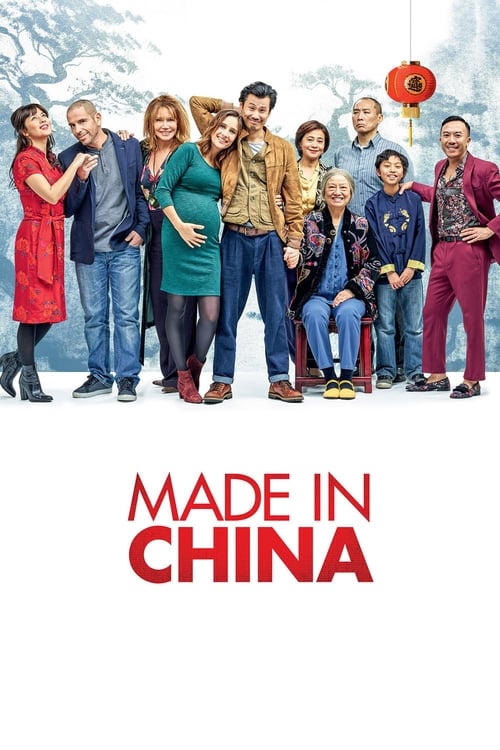
Made in China is a character-driven study of identity that finds its greatest strength in its nuanced portrayal of the immigrant experience. By focusing on the friction between François's Westernized life and his Asian roots, the film avoids superficial stereotypes of the diaspora. However, the film relies heavily on conventional narrative structures. The emotional core is built around traditional family hierarchies and heterosexual milestones like fatherhood, which limits the scope of its social representation. Ultimately, the film succeeds as a layered exploration of race and culture, even while remaining within conservative bounds regarding gender and sexuality.
Category Breakdown
The story follows a traditional path centered on François's relationship with Sophie. There is no significant presence of queer narratives or non-straight identities.
Sophie plays a significant role by pushing the protagonist toward growth. However, the central conflict remains anchored in patriarchal lineage and male-driven family reconciliation.
The film excels by centering on the complexities of the Asian diaspora. It avoids monolithic depictions, focusing instead on the tension between heritage and Westernized life.
The narrative explores the friction of cultural encounter rather than presenting an idealized view. It treats heritage as a site of personal conflict and reconciliation.
There is no visible or documented emphasis on physical or neurodivergent disabilities as central drivers of the story.
Present on Screen
Limited or Absent
Official Synopsis
François, a young thirty-year-old Asian, has not been back in his family for 10 years after a violent dispute with his father Meng. Since then, he has always tried to avoid questions about his origins, until he lies to believe that he has been adopted. But when he learns that he is going to be a father, he realizes that he will have to reconnect with his past and his origins. Pushed by his companion Sophie, he decides to reconnect with his family and returns to his XIIIth native district to announce the good news, accompanied by his best friend Bruno. François is welcomed with open arms by his family, with the exception of his father and his younger brother. The return to his community is not going to be so simple .
2006

2022

2018

2017

2024
2012
2013

2019
No reviews yet. Be the first to share your thoughts on this movie!
Use the rating form above to leave a star rating and optional review.