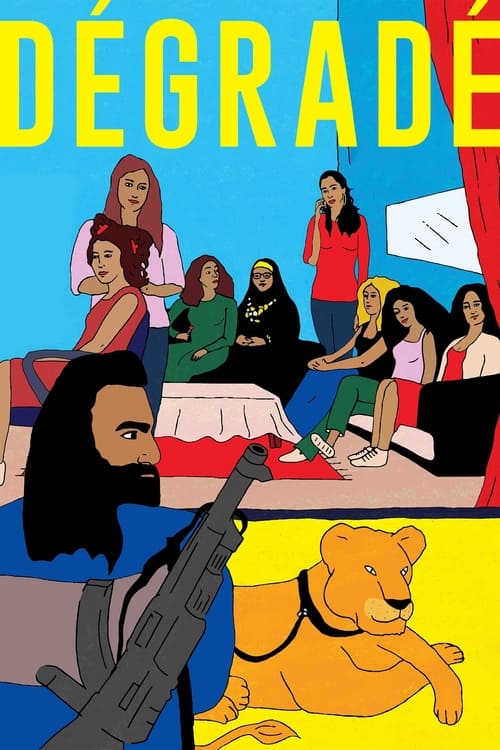
Dégradé
2016
No user ratings available yet
Representation score: 8.9 out of 10

Representation Score
Excellent
2020
Director
Manele Labidi
Runtime
88 minutes
Average Rating
No ratings yetNew Showbiz Analysis
Arab Blues is a sophisticated character study that uses music to bridge personal emotion with the post-colonial experience in Tunisia. It excels in its authentic North African setting and its refusal to cater to Western-centric cinematic clichés. The film's strength lies in its nuanced exploration of cultural friction and subversion of traditional gender roles. However, it remains limited in its representation of LGBTQ+ identities and visible disabilities, which are not used to challenge social norms or drive the central plot.
Category Breakdown
The film does not feature prominent LGBTQ+ characters or explicitly non-cisgender identities. It does not include specific narratives that challenge the assumption that everyone is straight or cisgender.
The film centers a female protagonist who is defined by her intellectual and emotional labor. It subverts traditional gender roles by focusing on her psychological journey rather than domestic or submissive roles.
The film authentically portrays North African identity, using a Tunisian cast and blues music to explore post-colonial experiences.
The story explores the tension between personal truth and rigid family or religious expectations. It prioritizes artistic and emotional fulfillment over material success or social status.
The film touches on the complexities of the human psyche through a psychoanalytic framework but does not center a specific, visible disability as a primary plot driver.
Present on Screen
Limited or Absent
Official Synopsis
Selma, a psychoanalyst, deals with a cast of colorful new patients after returning home to Tunisia to open a practice.
2016
2019

2009
2010

2019
2013
2017
2013
No reviews yet. Be the first to share your thoughts on this movie!
Use the rating form above to leave a star rating and optional review.