
Kristiane af Marstal
1956
No user ratings available yet
Representation score: 1.2 out of 10
Representation Score
Limited
1960
Not RatedDirector
Annelise Reenberg
Runtime
122 minutes
Average Rating
No ratings yetNew Showbiz Analysis
The film's main strength lies in its gender subversion. By featuring a female protagonist who is a skilled mechanic, the story challenges traditional mid-century feminine roles. The protagonist's technical competence and manual labor highlight her active role in the story. However, the film remains culturally and racially homogeneous. It adheres to the demographic realities of 1960s Denmark, focusing on class distinctions rather than broader social diversity. The narrative provides a lighthearted critique of rigid social performances without fundamentally challenging the era’s structures.
Category Breakdown
The film centers on traditional romantic relationships and family lineages. It does not include narratives that challenge the assumption that everyone is straight or cisgender.
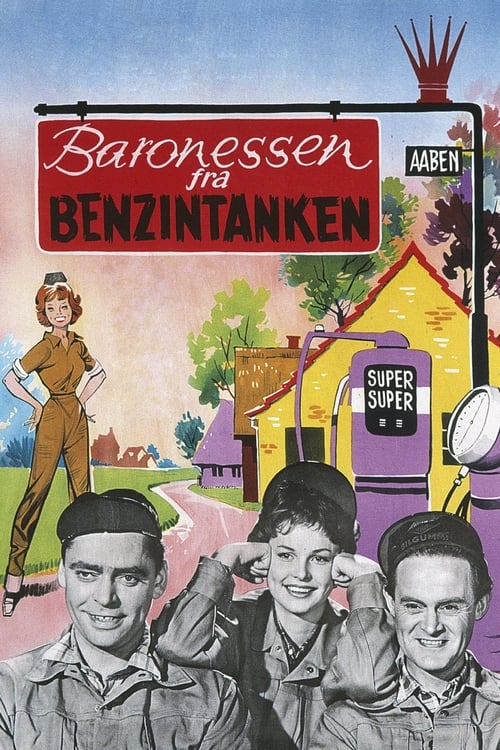
Anne Tofte defies mid-century gender roles as a tomboyish workshop mechanic. The story highlights the conflict between her vocational identity and the aristocratic feminine ideals of her time.
The cast primarily consists of actors representing the demographics of 1960s Denmark. There is no significant minority representation or intentional casting that bends racial norms.
The narrative humorously examines the rigidity of class distinctions between nobility and the working class. However, it does not delve into broader institutional critiques or moral relativism.
The film does not focus on visible or invisible disabilities among the characters or in the plot.
Present on Screen
Limited or Absent
Official Synopsis
The film begins with Baron von Rosensteen's funeral. As Rosensteen has no heirs, the old Rosensteen Castle is to be inherited by the Rabenfeldt family. Supreme Court Attorney Berg visits the widow baroness about a document found among the papers of her son, the deceased baron. It turns out that the baron had a child out of wedlock with a non-noble woman. The widow baroness and the Supreme Court attorney decide to find the child, as this would mean that an heir to the castle had been found. The child turns out to be a girl named Anne Tofte, who works at a gas station with her uncle Lars Tofte and his colleague Hans Høy. They persuade Anne to live with the baroness for a while, which she is not very keen on. The widow tries to teach Anne to be a fine lady, rather than the tomboyish workshop mechanic her uncle had raised her to be.
1956
1952
1964
1963
1965
1967
1970
1967
No reviews yet. Be the first to share your thoughts on this movie!
Use the rating form above to leave a star rating and optional review.