The Inauguration of the Pleasure Dome
1954
No user ratings available yet
Diversity score: 7.8 out of 10
1944
Director
Maya Deren
Runtime
12 minutes
Average Rating
No ratings yetSynopsis
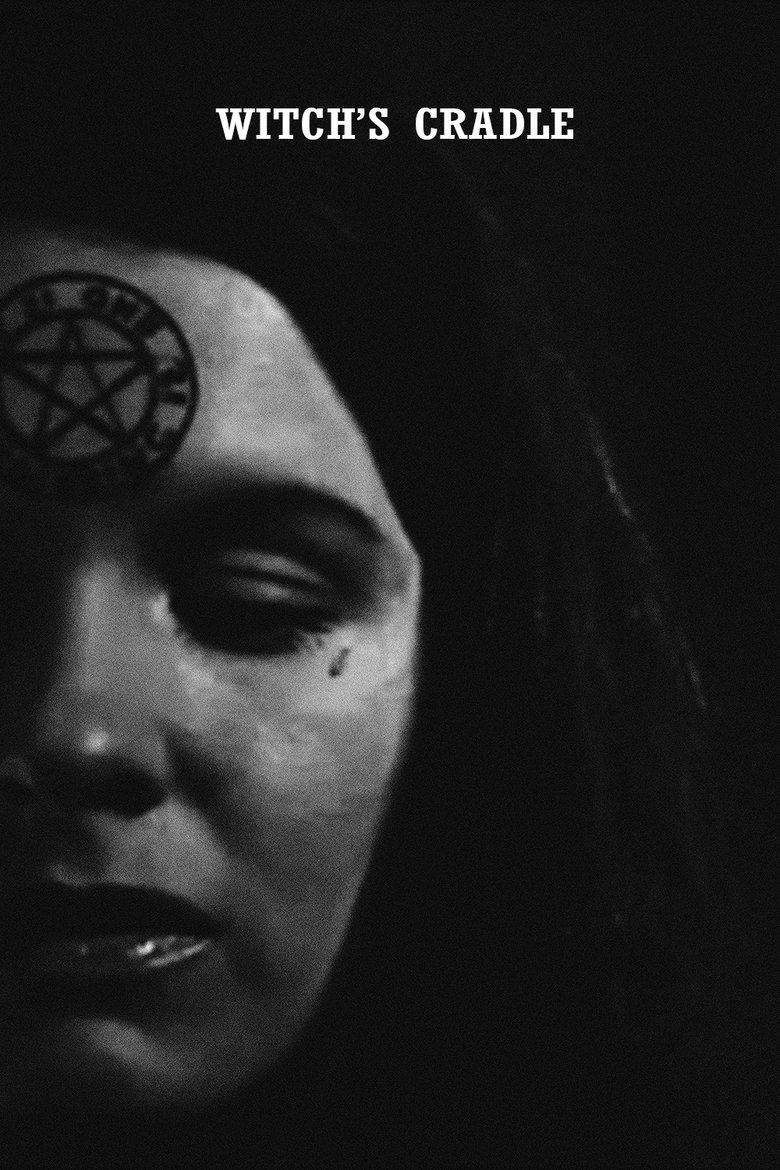
The surrealist film shows repetitive imagery involving a string fashioned in a bizarre, almost spiderweb-like pattern over the hands of several individuals, most notably an unnamed young woman and an elderly gentleman. The film also shows a shadowy darkness and people filmed at odd angles, an exposed human heart, and other occult symbols and ritualistic imagery which evokes an unsettling and dream-like aura. Considered an unfinished film.
Overall Score
Good
Category Breakdown
LGBTQ+ Representation
The film's surrealist abstraction deconstructs heteronormative narrative progression. By rejecting traditional courtship tropes, it allows for a fluidity of identity that resists easy categorization.
Gender Representation
Deren centers the female experience through psychological complexity rather than domesticity. The protagonist avoids the 'damsel' trope, acting instead as a central figure in a cosmic struggle.
Racial & Ethnic Diversity
There is insufficient evidence to determine the racial composition of the cast. The focus remains on symbolic imagery rather than explicit social or racial identifiers.
Religious & Cultural Diversity
The film engages with non-traditional spirituality through occult symbolism. It rejects Western rationalism and organized religious frameworks in favor of secular mysticism and ritual.
Disability Representation
The film lacks explicit depictions of physical or neurodivergent disability. However, its dream-like aesthetic may represent psychological fragmentation or altered states of consciousness.
Strengths
Areas for Improvement
AI Analysis
Maya Deren’s *Witch's Cradle* functions as a surrealist exploration of ritual and the subconscious rather than a traditional character study. It successfully subverts 1940s mainstream norms by replacing rigid social hierarchies with a fluid, symbolic reality. The film's strength lies in its rejection of standard Hollywood storytelling and its focus on internal, subjective experiences. By utilizing non-linear structures, it challenges the hegemony of conventional causality. However, the work's experimental nature leaves several identity-based categories undefined. The lack of explicit social identifiers makes it difficult to assess racial or specific disability representation.
1954

1924
1957
1903

1896
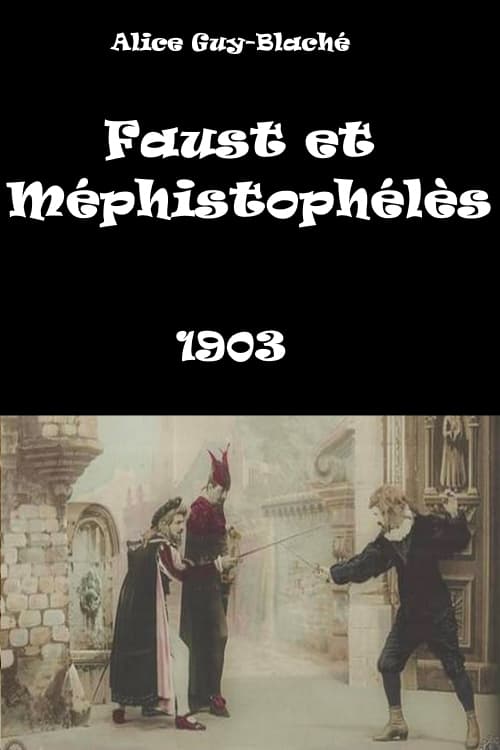
1903
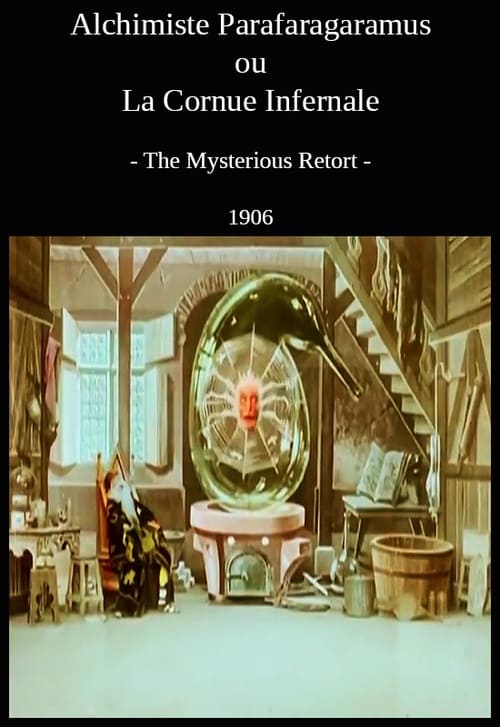
1906
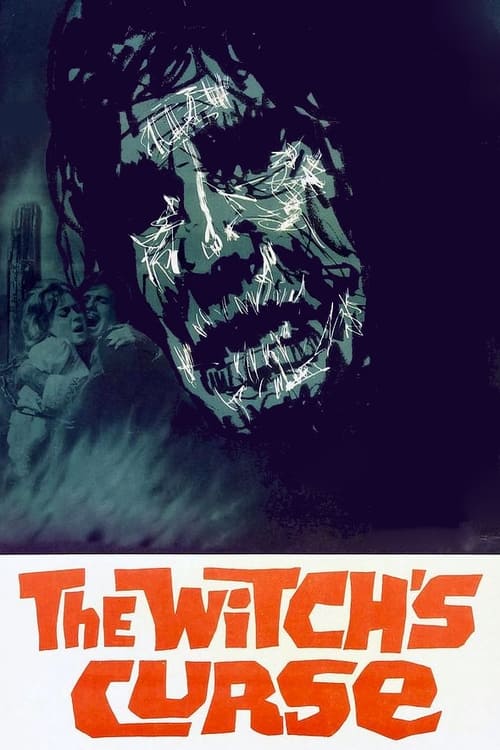
1962

1985
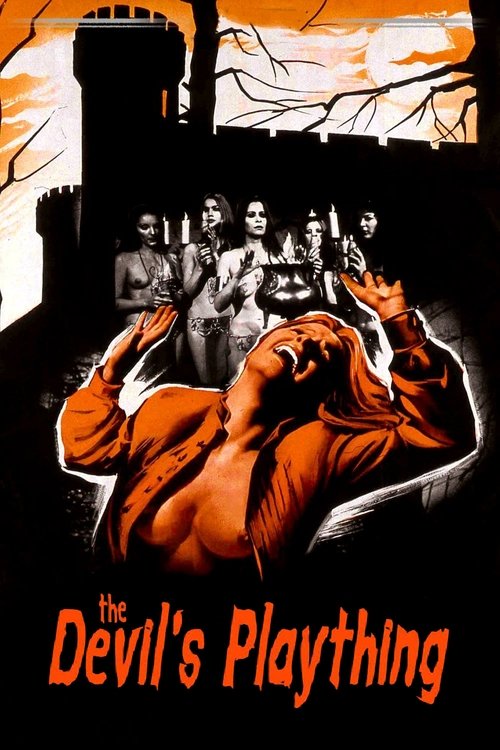
1973

1919
1949
No reviews yet. Be the first to share your thoughts on this movie!
Use the rating form above to leave a star rating and optional review.