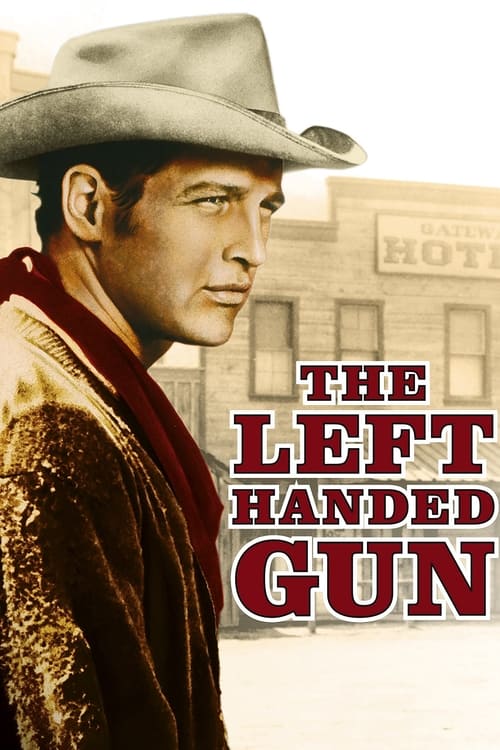
The Left Handed Gun
1958
No user ratings available yet
Representation score: 2.1 out of 10
Representation Score
Limited
1968
RDirector
Franco Giraldi
Runtime
118 minutes
Average Rating
No ratings yetNew Showbiz Analysis
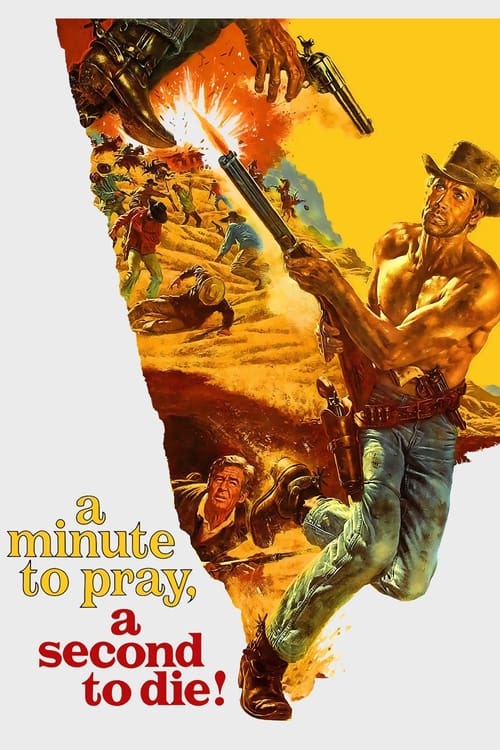
A Minute to Pray, a Second to Die is a traditional 1960s Western that centers on a character study of redemption and vengeance. The narrative architecture emphasizes masculine dominance and traditional morality, lacking progressive representation.
Category Breakdown
The film does not include characters with diverse gender identities or expressions. It follows traditional masculine roles typical of 1960s Westerns.
The story emphasizes masculine roles, focusing on conflicts between a gunman and a sheriff. Female characters do not play significant roles in driving the plot.
Set in the New Mexico Territory, the film does not delve into the racial makeup of its characters. It follows typical Western genre conventions.
The plot revolves around traditional Western themes such as amnesty and law enforcement. It adheres to a standard moral framework without challenging Western institutions.
The film does not feature any characters with physical, sensory, or neurodivergent conditions. Disability is not used as a plot device.
Present on Screen
Limited or Absent
Official Synopsis
A famous gunman decides to change his life around and turn himself in when amnesty is declared by the new governor of the New Mexico Territory, but a vindictive sheriff sets out to stop him from reaching the Territory.
1958
1971
1957

1980
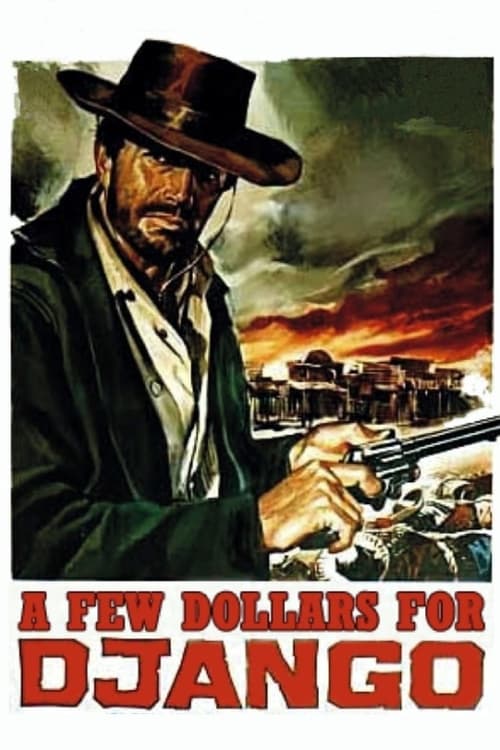
1966
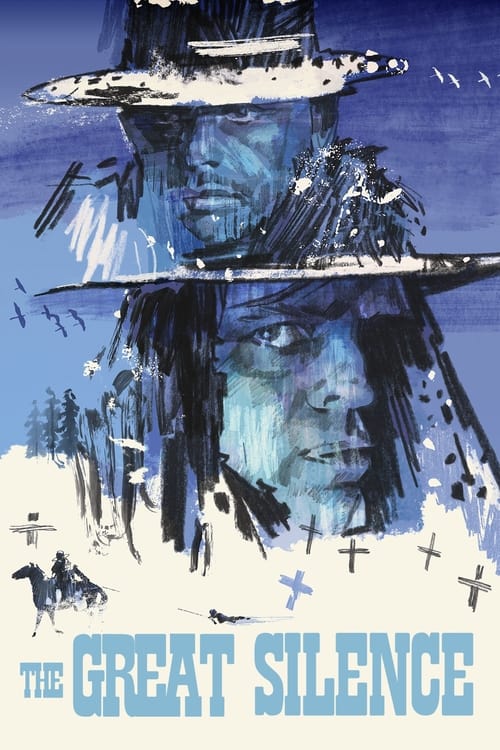
1968
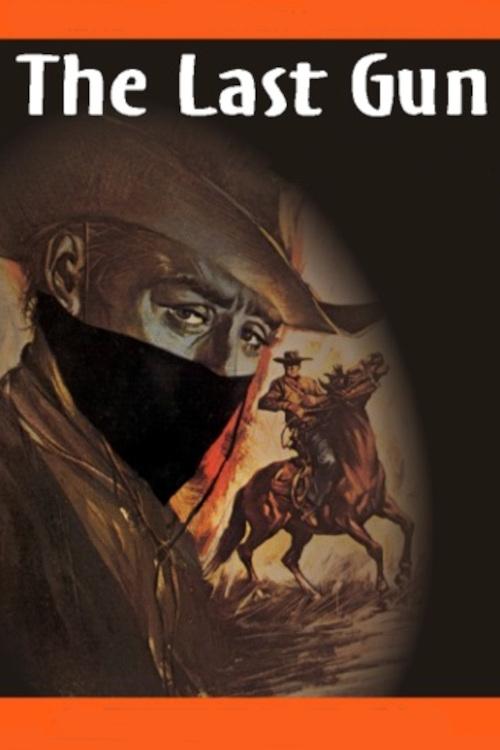
1964

1968
No reviews yet. Be the first to share your thoughts on this movie!
Use the rating form above to leave a star rating and optional review.