
Journey Back to Christmas
2016
No user ratings available yet
Representation score: 2.0 out of 10
Representation Score
Limited
1997
PGDirector
Vic Sarin
Runtime
105 minutes
Average Rating
No ratings yetNew Showbiz Analysis
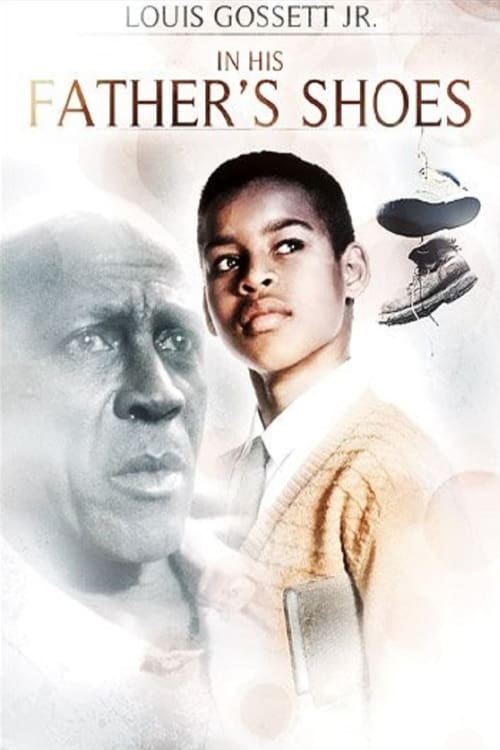
In His Father's Shoes is a sentimental drama that emphasizes traditional family structures and the preservation of lineage. The narrative relies on conventional archetypes, focusing on the emotional weight of paternal legacy through a magical realism lens. The film upholds typical Western social frameworks. It lacks significant racial or LGBTQ+ diversity, instead focusing on a homogeneous family unit and a singular ethnic character. While the portrayal of terminal illness adds emotional depth, it primarily serves as a plot device for character development rather than a nuanced exploration of disability. The film remains a character-centric study of history and inheritance.
Category Breakdown
The film focuses on a traditional family structure with a father, mother, son, and daughter. There are no characters with non-cisgender identities or same-sex relationships.
The story revolves around masculine traditions and the relationship between a father and his son. Female characters are mostly reactive to the main male storyline.
The cast and setting are predominantly white. A gypsy woman character serves as a plot device rather than a deeper exploration of diverse backgrounds.
The narrative highlights traditional Western values concerning family continuity and paternal legacy. It offers a sentimental look at personal history and emotional inheritance.
Frank Crosby's terminal illness is a key element of the drama. The depiction emphasizes the character's role in driving the protagonist's growth rather than exploring disability in depth.
Present on Screen
Limited or Absent
Official Synopsis
A fortyish cancer-stricken, emaciated Frank Crosby and his fifteen-year-old son Clay, who is the healthful, youthful image of his father, are spending an afternoon enjoying the atmosphere of Venice Beach. They enter Oddities, a store where the gypsy woman owner gives them a pair of special wingtip shoes. Later that night in the hospital where Frank lay dying, he shares with Clay his memory of a postcard image: a golf course where people are playing and are leisurely sipping tea. Frank dies and leaves behind a distraught family: Clay, his little sister Maggie, and their mother Janice. Clay wistfully goes to his father's closet and finds the wingtips from earlier in the day. Putting them on, he is transported back in time and becomes his father as a child. He discovers he can travel back and forth in time just by putting on or taking off the shoes. Clay learns a great deal about his father's early years and is eager to learn more.
2016

1995
2010

2012

2000
2021

2000
1986
No reviews yet. Be the first to share your thoughts on this movie!
Use the rating form above to leave a star rating and optional review.