Don't Worry, I'll be Ok
2024
No user ratings available yet
Representation score: 6.4 out of 10
Representation Score
Limited
2021
Director
Jia Ling
Runtime
128 minutes
Average Rating
No ratings yetNew Showbiz Analysis
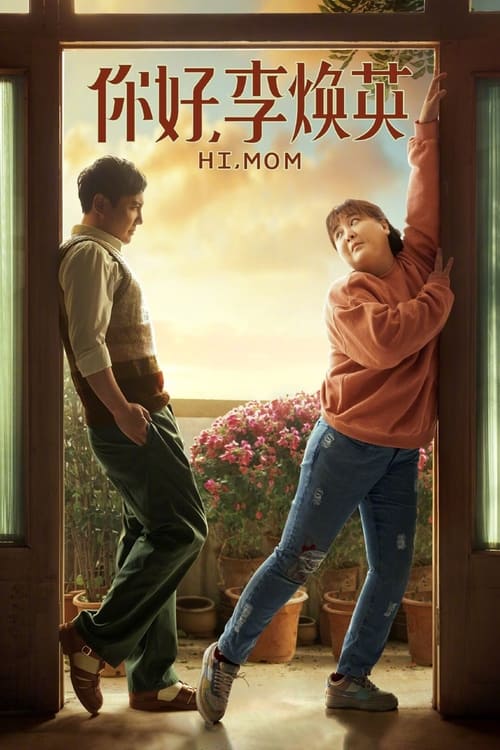
Hi, Mom is a nostalgic period piece that uses a time-travel device to explore themes of maternal sacrifice and intergenerational bonds. The film successfully captures the resilience of women within the socioeconomic constraints of 1980s China. However, it primarily reinforces traditional family structures and social norms without challenging broader societal issues. While emotionally resonant and culturally specific, the film does not engage with contemporary identity politics or diverse social perspectives.
Category Breakdown
The film focuses on traditional family structures and does not depict any non-binary gender identities or LGBTQ+ characters.
The story centers around the emotional strength of the female lead, who serves as the primary emotional anchor and survivor of the narrative.
The film provides an authentic portrayal set in 1980s China, with a homogeneous cast reflecting the specific historical context.
The narrative upholds traditional values such as family cohesion and respect for elders, emphasizing social stability and continuity.
The film does not feature any characters with visible or invisible disabilities, nor does it explore any disability-related storylines.
Present on Screen
Limited or Absent
Official Synopsis
Devastated after her mom's serious accident and grief-stricken because she hasn't become the daughter she wanted to be for her mother, a Chinese woman finds herself transported back in time to the year 1981, where she meets her younger mother before she was her mom.
2024

2015
2018

2012
2016
1986
2022
2021
No reviews yet. Be the first to share your thoughts on this movie!
Use the rating form above to leave a star rating and optional review.