Countess Perverse
1975
No user ratings available yet
Representation score: 4.2 out of 10
Representation Score
Limited
1970
Director
José Luis Merino
Runtime
98 minutes
Average Rating
No ratings yetNew Showbiz Analysis
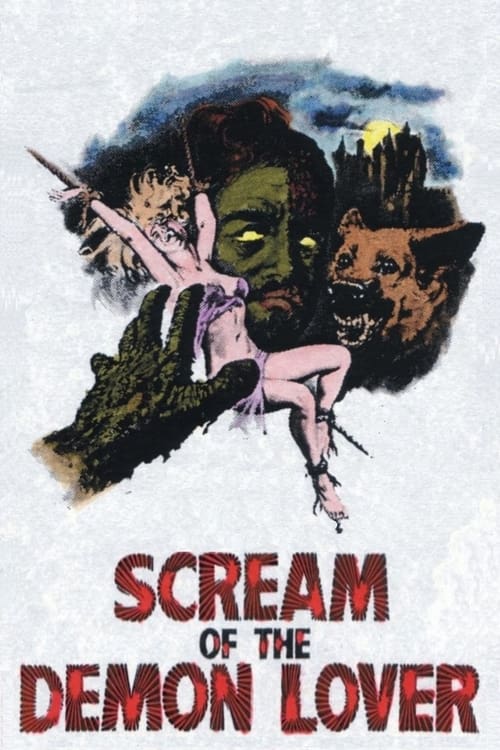
Scream of the Demon Lover operates within the established boundaries of 1970s European horror. It finds its strength in subverting gender expectations by centering a professional woman in a technical role, even as the plot descends into gothic nightmare. However, the film remains demographically homogeneous, adhering to the era's typical Western casting patterns. While it critiques aristocratic structures, it lacks meaningful representation of LGBTQ+ identities or racial diversity. Ultimately, the film is a study of power and dark romance rather than a diverse social tapestry.
Category Breakdown
The film explores unconventional intimacy through dark romance and sexual violence. However, there is no clear indication of characters with non-straight or non-cisgender identities.
A female scientist provides a layer of professional ability to act that disrupts typical damsel-in-distress clichés. The story highlights the tension between her intellect and the Baron's patriarchal dominance.
The production follows traditional Western gothic clichés. There is no evidence of a racially diverse cast within this historical genre context.
The narrative critiques the morality of the landed gentry and patriarchal family units. It uses a sinister aristocracy to explore complex, dark human nature.
The film does not provide specific evidence regarding characters with disabilities or neurodivergence.
Present on Screen
Limited or Absent
Official Synopsis
When a beautiful biochemist arrives at a foreboding castle to work for a sinister baron, she unlocks a nightmare of dark romance, sexual violence, and grisly family secrets.
1975
1960
1979
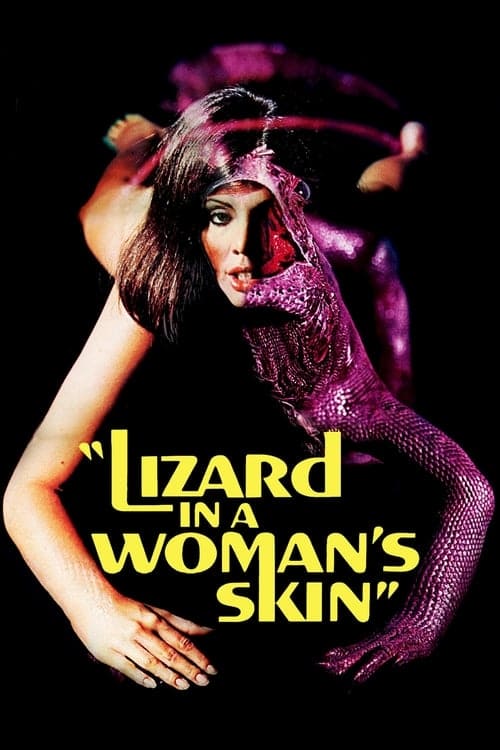
1971
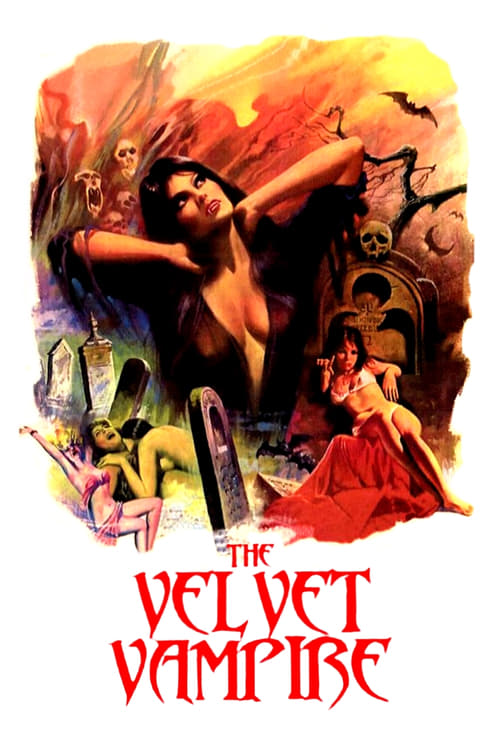
1971
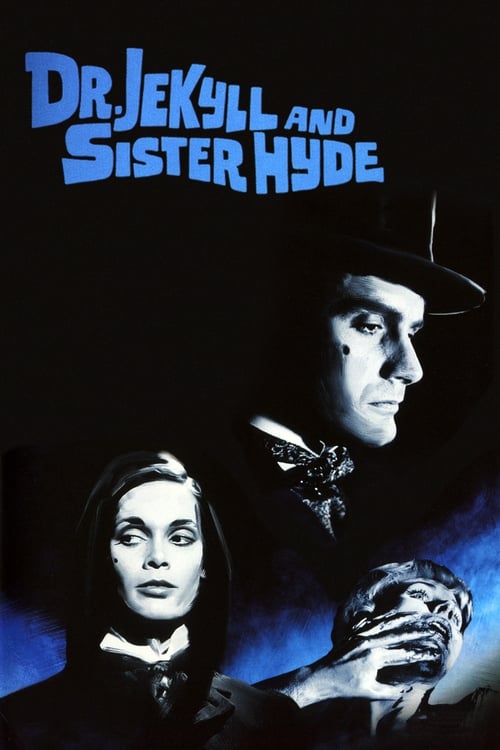
1971
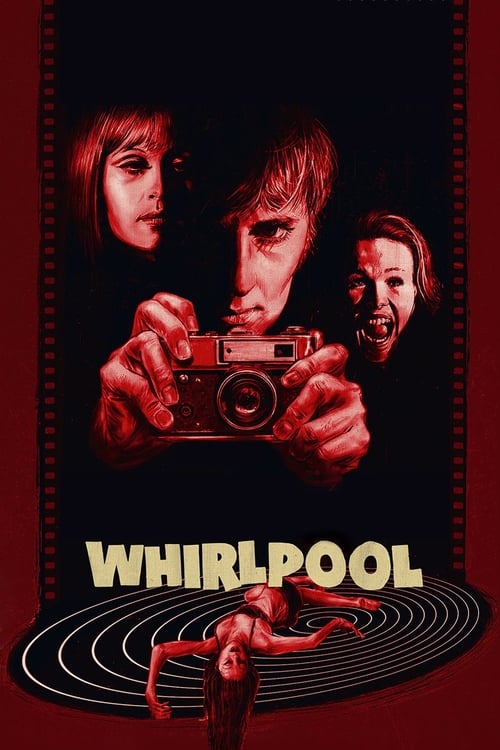
1970
1988
No reviews yet. Be the first to share your thoughts on this movie!
Use the rating form above to leave a star rating and optional review.