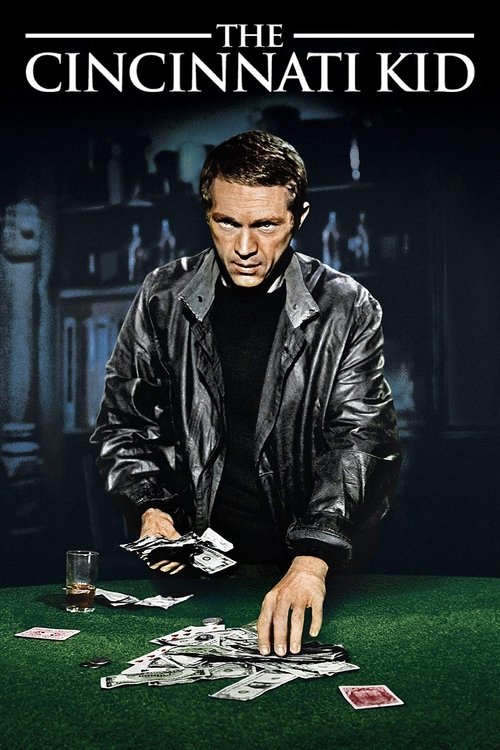
The Cincinnati Kid
1965
No user ratings available yet
Representation score: 1.4 out of 10
Representation Score
Minimal
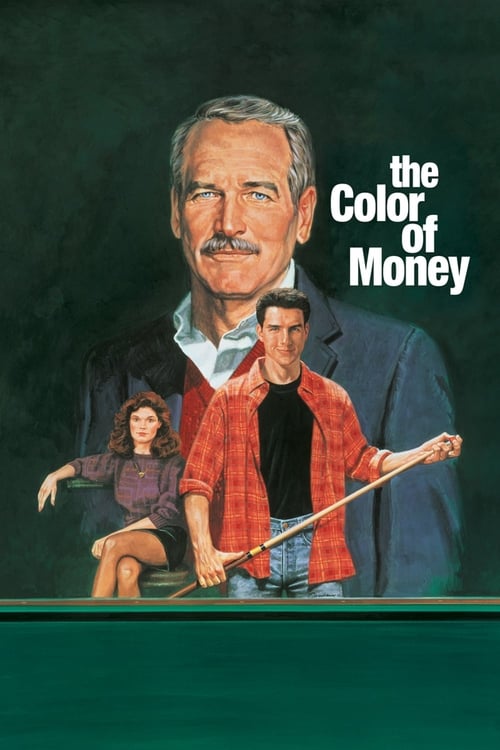
1986
RDirector
Martin Scorsese
Runtime
119 minutes
Average Rating
No ratings yetNew Showbiz Analysis
Scorsese’s character study focuses on the predatory mechanics of the professional pool circuit. The film prioritizes a hyper-masculine subculture, centered on individualistic ambition and the complex ethics of the hustle. While the film offers a sophisticated look at moral relativism, it lacks demographic breadth. The social world is defined by conventional masculine bonding and a homogeneous cast that reinforces traditional hierarchies. Ultimately, the narrative's narrow focus on a specific urban subculture results in a lack of characters who reflect more than one aspect of diversity, prioritizing the transactional ethics of the game over a diverse social landscape.
Category Breakdown
The film adheres to a strict assumption that everyone is straight or cisgender. There are no depictions of non-straight or non-cisgender identities, nor are there narratives that challenge traditional sexual orientations.
The narrative is dominated by male competition and mentorship. Female characters are mostly peripheral, serving as atmospheric elements rather than active drivers of the plot.
The film portrays a relatively homogeneous social environment. The central cast and settings emphasize a white, male-dominated demographic with little depth in terms of different backgrounds.
The story explores moral relativism through the concept of the 'hustle.' It deconstructs the idea of fair play, framing deception and scamming as essential professional identities.
The film does not feature any prominent characters with visible or invisible disabilities. Disability is not used as a central narrative device.
Present on Screen
Limited or Absent
Official Synopsis
Former pool hustler "Fast Eddie" Felson decides he wants to return to the game by taking a pupil. He meets talented but green Vincent Lauria and proposes a partnership. As they tour pool halls, Eddie teaches Vincent the tricks of scamming, but he eventually grows frustrated with Vincent's showboat antics, leading to an argument and a falling-out. Eddie takes up playing again and soon crosses paths with Vincent as an opponent.
1965

1972
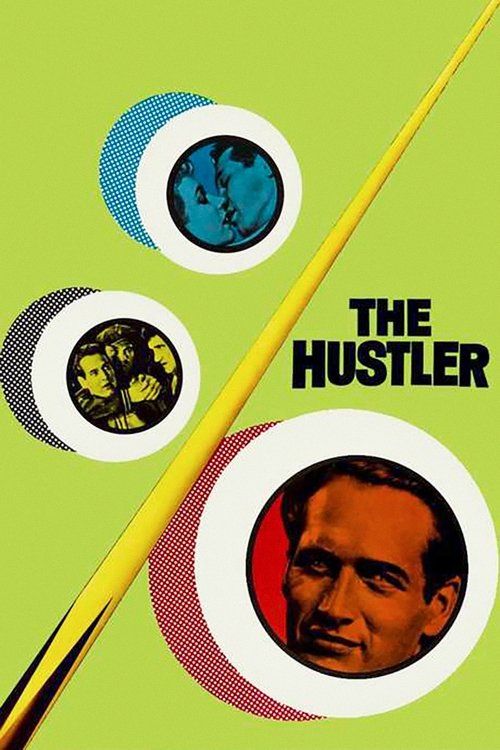
1961

1956

1980

1956

1990
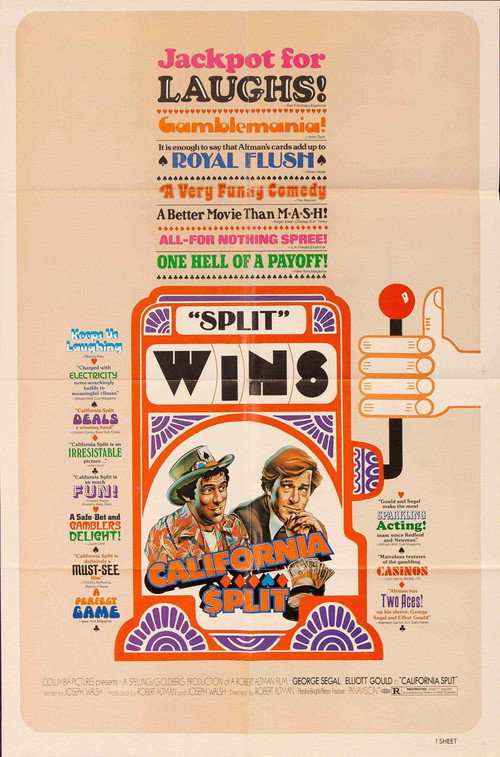
1974
No reviews yet. Be the first to share your thoughts on this movie!
Use the rating form above to leave a star rating and optional review.