
Pelé: Birth of a Legend
2016
No user ratings available yet
Representation score: 2.5 out of 10
Representation Score
Minimal
2005
PGDirector
Bill Paxton
Runtime
120 minutes
Average Rating
No ratings yetNew Showbiz Analysis
The film is a traditional historical drama that emphasizes socioeconomic class struggles over intersecting identities. While it effectively challenges the 'old money' establishment through the protagonist's social mobility, it maintains the conventional social hierarchies of its time regarding gender and race. The narrative structure highlights individual success within a traditional framework. It leverages the 'common man' archetype to counter aristocratic ideas of merit, but it does not delve into systemic identity-based power structures.
Category Breakdown
The film stays within a framework that assumes everyone is straight and cisgender, fitting its 1913 setting. There are no LGBTQ+ characters or non-conforming gender expressions.
The story centers around a male-dominated sporting world where women are mainly found in domestic or social roles, supporting the plot rather than driving it.
The film shows a society that is mostly white, reflecting the golf culture of the early 20th century. It focuses on Anglo-centric traditions without much diversity.
The story critiques class-based hierarchies by focusing on a working-class caddie. It portrays the exclusive country club system as an institution that keeps certain people out.
The film does not prominently feature characters with physical or neurodivergent disabilities that play key roles in the plot.
Present on Screen
Limited or Absent
Official Synopsis
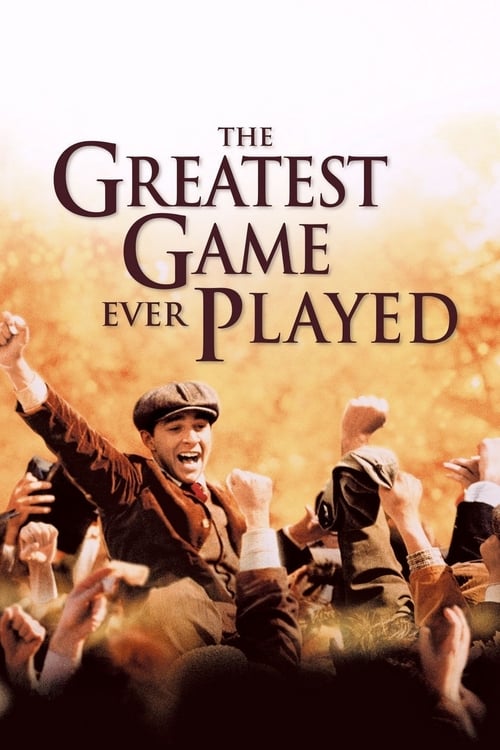
A biopic of 20-year-old Francis Ouimet who defeated his golfing idol and 1900 US Open Champion, Harry Vardon.
2016
1942
1993
2017
1992
2008
1984

2015
No reviews yet. Be the first to share your thoughts on this movie!
Use the rating form above to leave a star rating and optional review.