Somebody Up There Likes Me
1956
No user ratings available yet
Representation score: 1.1 out of 10
Representation Score
Minimal
1956
NRDirector
Mark Robson
Runtime
109 minutes
Average Rating
No ratings yetNew Showbiz Analysis
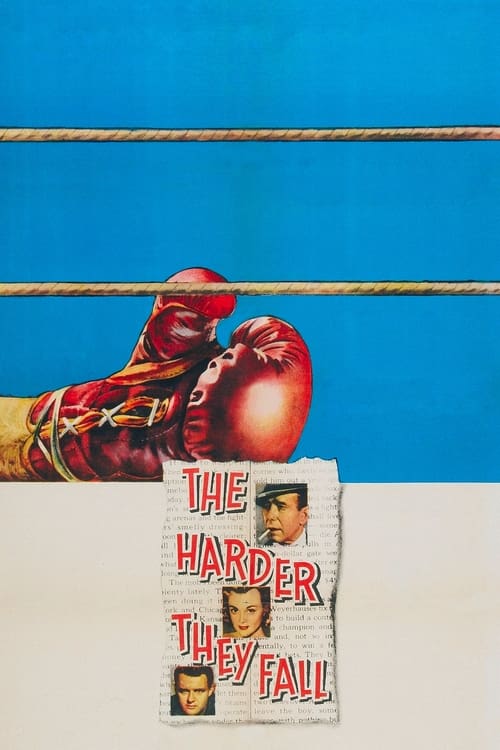
The Harder They Fall is a mid-century drama that emphasizes a critique of systemic corruption over social inclusivity. Its primary strength lies in its thematic depth, particularly in how it deconstructs the morality of greed and the decay of economic institutions. However, the film is deeply rooted in the homogeneous and male-dominated social structures of its time. It lacks meaningful representation of women, LGBTQ+ individuals, or people with disabilities, focusing instead on a narrow spectrum of masculine competition. While the inclusion of an Argentinian lead provides a slight departure from a purely Anglo-Saxon cast, the film's overall demographic scope remains limited and traditional.
Category Breakdown
The film follows the strict heterosexual norms of the 1950s. There are no queer subtexts or representations of diverse gender identities.
The story focuses mainly on male rivalry and competition. Women play minor roles and have little influence over the main conflicts.
An Argentinian character adds diversity. However, his portrayal may rely on stereotypes about foreign nationals being less sophisticated.
The film offers a critical look at capitalism and the American Dream. It explores moral ambiguity and the corruption of institutional integrity.
There is no representation of physical or neurodivergent disabilities. Physical traits such as a 'glass jaw' are used solely for plot purposes.
Present on Screen
Limited or Absent
Official Synopsis
Jobless sportswriter Eddie Willis is hired by corrupt fight promoter Nick Benko to promote his current protégé, an unknown Argentinian boxer named Toro Moreno. Although Moreno is a hulking giant, his chances for success are hampered by a powder-puff punch and a glass jaw. Exploiting Willis' reputation for integrity and standing in the boxing community, Benko arranges a series of fixed fights that propel the unsophisticated Moreno to #1 contender for the championship. The reigning champ, the sadistic Buddy Brannen, harbors resentment at the publicity Toro has been receiving and vows to viciously punish him in the ring. Eddie must now decide whether or not to tell the naive Toro the truth.
1956
1949
1972
1947
1949

1979
1990
1957
No reviews yet. Be the first to share your thoughts on this movie!
Use the rating form above to leave a star rating and optional review.