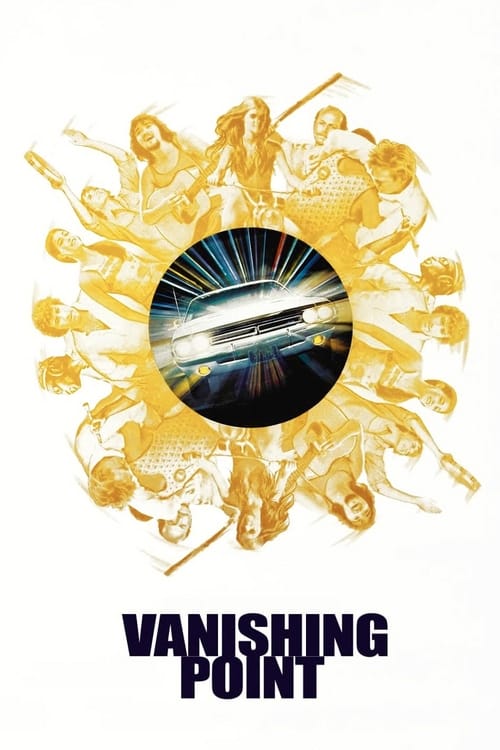
Vanishing Point
1971
No user ratings available yet
Representation score: 1.9 out of 10
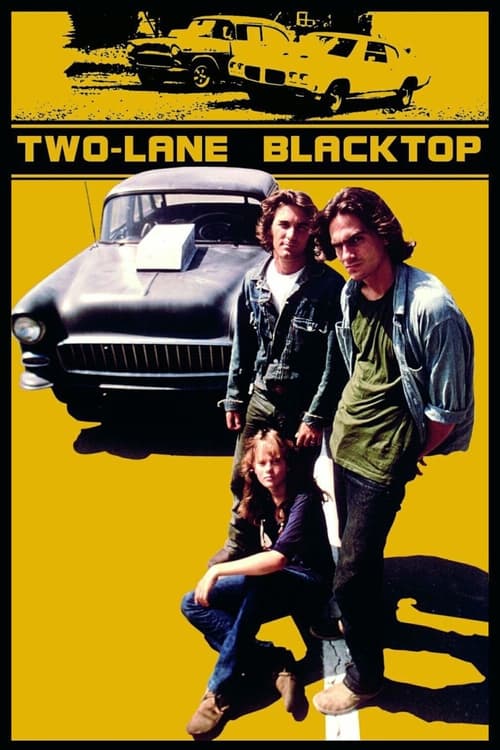
Representation Score
Minimal
1971
RDirector
Monte Hellman
Runtime
103 minutes
Average Rating
No ratings yetNew Showbiz Analysis
Monte Hellman’s film is a formalist exercise in atmospheric realism that prioritizes existential themes over demographic diversity. It successfully deconstructs the racing genre by avoiding traditional narrative satisfaction in favor of a fragmented, postmodern experience. However, the work remains deeply tied to a homogeneous and male-centric perspective. The social environment is largely confined to a specific white, masculine archetype of the American counterculture. While the film challenges conventional storytelling clichés, it lacks intentional inclusion of diverse identities. The result is a cinematic study of emptiness that reflects the narrow social landscape of its setting.
Category Breakdown
The film centers on a transient, masculine subculture without showing any non-straight or non-cisgender identities or intimate relationships.
The story follows a traditional masculine hierarchy where the male drivers dominate, while the female hitchhiker remains a passive figure.
The cast is mostly white, reflecting the socioeconomic demographics of the 1970s drifter subculture. The film does not significantly feature people of color.
The film explores existential nihilism and social detachment, challenging traditional morality by replacing a structured hero's journey with moral relativism.
The narrative does not include characters with visible or invisible disabilities, nor does it use such conditions as plot devices.
Present on Screen
Limited or Absent
Official Synopsis
A driver and mechanic drag racing for money cross paths with a female hitchhiker and a drifter who challenges them to a cross-country race.
1971

1973
1953

1971

2003
1966

1969
1974
No reviews yet. Be the first to share your thoughts on this movie!
Use the rating form above to leave a star rating and optional review.