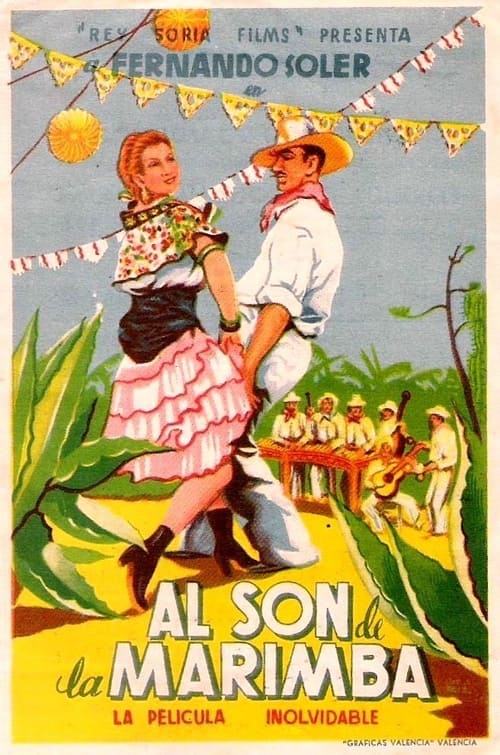
Al son de la marimba
1940
No user ratings available yet
Representation score: 1.5 out of 10
Representation Score
Limited
1952
TV-14Director
Juan Bustillo Oro
Runtime
123 minutes
Average Rating
No ratings yetNew Showbiz Analysis
The film serves as a critique of class-based inertia, moving from aristocratic stagnation toward the pragmatic realities of agrarian labor. It challenges the perceived superiority of the landed gentry by forcing characters to work for survival. While the narrative explores the tension between social standing and manual labor, it remains limited by the era's social constraints. The focus is primarily on class deconstruction rather than diverse identities.
Category Breakdown
The film follows traditional romantic and matrimonial structures typical of 1950s cinema. It does not include any non-straight relationships or same-sex intimacy.
Female characters like Isabel resist patriarchal economic decisions. However, central tensions remain rooted in male control over marriage and labor.
As a Golden Age Mexican film, it centers a non-Anglo-Saxon cast. It operates within the established social stratifications of mid-century Mexico.
The story challenges aristocratic notions of nobility by forcing characters into manual labor. It critiques idle wealth through a pragmatic, survivalist morality.
No information is available regarding the portrayal of physical or neurodivergent identities in this work.
Present on Screen
Limited or Absent
Official Synopsis
Don Anastacio, an aristocrat passing through a rough patch,He will make marry his daughter Isabel with wealthy rancher. Isabel and her family refuse to work, Jose Manuel takes them to the ranch, where they are forced to work for food.
1940
1948
1947

1957
1965

1957
1941

1959
No reviews yet. Be the first to share your thoughts on this movie!
Use the rating form above to leave a star rating and optional review.